JEDDAH: A seminar on energy efficiency in the automobile sector was held as part of the 60th anniversary of the establishment of diplomatic relations between Saudi Arabia and Japan, at Saudi Japanese Automobile High Institute (SJAHI) in Jeddah on Thursday.
The Japanese Ministry of Economy, Trade and Industry (METI) and Mitsubishi Research Institute (MRI) jointly organized the seminar. The event marked the introduction of the Japanese state-of-the-art technologies and expertise, and sharing of experiences in reducing energy consumption in transportation.
An exhibition of energy efficient cars from Japanese automobile companies was held on the occasion. Also on display was an environmentally-friendly electric car designed at SJAHI by three Saudi trainees — Abdullah Nuri, Mohammed Al-Tuwqiree and Saleh Al-Qarni.
Salem Asmari, executive director of SJAHI, who welcomed the guests, said the Saudis are planning to start environmentally friendly car manufacturing in 2016, with the latest eco-friendly biofuel technology.
Market leaders say the Kingdom has 12 million cars and they are estimated to increase to 16 million by 2020.
Car sales in the Kingdom have risen to $120 billion, giving hope to the Kingdom’s automotive industry to venture into auto parts manufacturing and assembly plants.
Jeddah-based Japanese Consul General Matahiro Yamaguchi said Saudi statistics show that the daily consumption of energy in Saudi Arabia has risen from less than one million barrels of oil in 1980 to 4.2 million barrels now. If this trend continues, the daily energy consumption will rise to more than 8 million barrels of oil by 2030.
Saudi Arabia launched a nationwide energy efficiency initiative in 2012, with the goal of saving about 20 percent of the 8 million barrels of oil consumption per day in 2030. The initiative is under the supervision of Prince Abdulaziz bin Salman, deputy oil minister and chairman of the executive committee of the Saudi Center for Energy Efficiency.
Installing of thermal insulation in new buildings, and energy efficiency air conditioners, refrigerators and washing machines are among the measures being taken. The automobile energy efficiency card system was introduced for new car models in January.
“I would like to congratulate the leaders and people of the two friendly countries on the 60th anniversary of the establishment of diplomatic relations,” the consul general said and hoped that the relations between the two countries will reach a significantly higher level than ever imagined.


![]()
![]()

SJAHI marks 60 years of Saudi-Japan ties
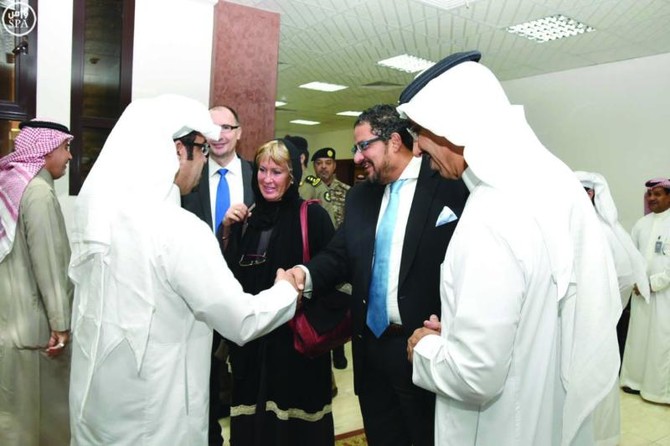
SJAHI marks 60 years of Saudi-Japan ties
Latest updates


© 2026 SAUDI RESEARCH & PUBLISHING COMPANY, All Rights Reserved And subject to Terms of Use Agreement.