JEDDAH: The Ministry of Health has denied that Qatif Central Hospital had recorded a large number of cases of the swine flu virus.
Health Ministry spokesman Faisal Al-Zahrani told local media that there were a number of seasonal flu cases in the hospital, just as in other regions of the Kingdom. He recommended citizens and residents get flu vaccinations as a preventive measure.
There were reports warning people not to go to Qatif Central Hospital for treatment because of rumors that the hospital had a large number of cases of swine flu virus. Many people had allegedly been hospitalized and among those were staff members from the emergency division. According to the rumors, there are 15 confirmed cases of the flu, not to mention other suspected ones.
The reports also that there were not enough isolation rooms at the hospital and this led the hospital to use recovery rooms and even refer patients to other government hospitals.
Dr. Mohammad Al-Shaif, a consultant in hematology, said in a statement to a local newspaper that the vaccines were preventive measures against both seasonal and swine flu.
“Some people and categories are more at risk from the virus. They are older people, those with chronic diseases, those taking medicines that compromise their immune systems, sickle cell patients, medical staff members and others. They all should take the vaccination,” said Al-Shaif.
He explained that the virus changes its genetic composition every year so new vaccines emerge. “The vaccination process started in September at the beginning of autumn which is the peak season for infection because of changing weather.”
He said swine flu usually affects only pigs but a new mutation of the virus appeared in the United States in March 2009 and spread to humans.
“There are similarities between the symptoms of swine flu and seasonal flu, including fever, cough, throat infection, body aches and pains, headache and sometimes vomiting and diarrhea,” he said.
Al-Shaif said some symptoms might require ambulatory medical attention such as shortness of breath, loss of consciousness, mental confusion, severe or persistent vomiting which can lead to dehydration and high temperatures over an extended time.
Regarding treatment, he said: “The appropriate treatment depends on each patient and the severity of the illness. Medications such as Tamiflu are prescribed. Such medicines are only prescribed by a doctor. Most people recover without using antiretrovirals but if needed, the antiretroviral medicines must be taken within 48 hours of the beginning of the symptoms.”


![]()
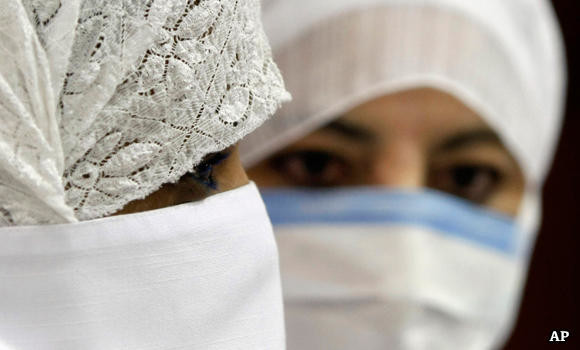
MoH denies swine flu infection at Qatif hospital
MoH denies swine flu infection at Qatif hospital
Latest updates


© 2026 SAUDI RESEARCH & PUBLISHING COMPANY, All Rights Reserved And subject to Terms of Use Agreement.