In a huge relief to the Yemeni expatriate community in the Kingdom, Custodian of the Two Holy Mosques King Salman has directed Crown Prince Mohammed bin Naif, deputy premier and minister of interior, to take necessary measures to correct their residence status and legalize their stay.
Yemeni expats living illegally in Saudi Arabia prior to April 9 will be given the chance to correct their residence status under the royal order.
According to a statement issued by the Royal Court, the king’s move follows a request by the legitimate government of Yemen, led by President Abed Rabbo Mansour Hadi, to support and alleviate the problems of Yemenis.
“They (Yemenis) shall be granted a six-month visit visa that may be extended upon receiving travel documents from their country’s legitimate government. They shall be allowed to work in accordance with regulations set by the competent authorities,” the court said.
Mehdi Hatem Al-Nahari, head of the Supreme Council of the Yemeni community, thanked the king for his kind gesture toward Yemenis in this hour of crisis.
“The Kingdom and its citizens are always there for their Yemeni brothers. We have always felt at home in Saudi Arabia.”
Yemen has been facing problems since 2011, and Ali Abdullah Saleh made it worse and created tensions at the Saudi-Yemen borders.
“But the Kingdom was always there to help us,” he said. “We, the Yemeni community, are very much thankful to the king and the people.”
Another Yemeni national, Yones Nidam bin Abdat, on behalf of his family members, thanked the king for the kind decision.
“This order shows how much King Salman and the people of Saudi Arabia care and love Yemenis. We know that the Houthi rebels will not succeed in their evil designs. Peace and stability will return to Yemen and the country will be reconstructed.”
Ali Al-Qubaisi, another Yemeni national, also expressed joy and hailed the royal order to legalize Yemeni expats in the Kingdom.
He said that Yemenis were among the earliest expatriates to came and participate in the development of the Kingdom.
“The Kingdom adopted Yemenis and provided them with a comfortable and dignified life. This royal order shows that the Kingdom cares about their Yemeni brothers. Thanks to everyone... the King, royal family and the people of the Kingdom,” he said.


![]()
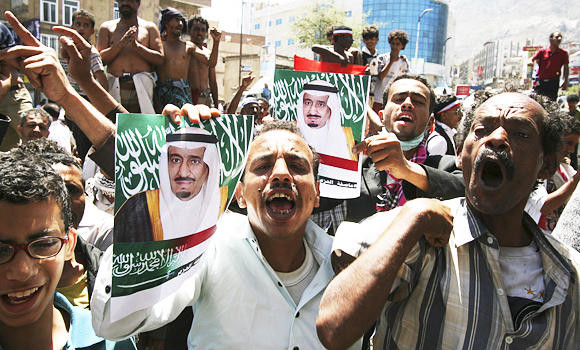
Visa relief: Yemeni expats in Kingdom praise royal order
Visa relief: Yemeni expats in Kingdom praise royal order
Latest updates


© 2026 SAUDI RESEARCH & PUBLISHING COMPANY, All Rights Reserved And subject to Terms of Use Agreement.