Historical monuments and sites can be found throughout Saudi Arabia. The Kingdom has many attractions designed for those who want to know more about the country. The Kingdom offers several tourist places such as atmospheric souqs and villages reflecting the heritage and culture of Saudi Arabia.
This place is more than a harsh desert. We have listed below some of its major sightseeing spots:
Riyadh
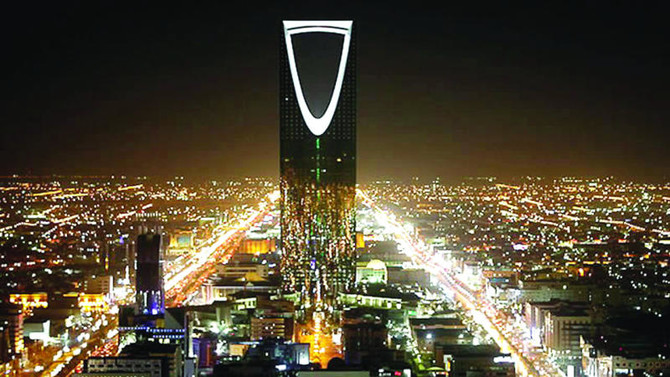
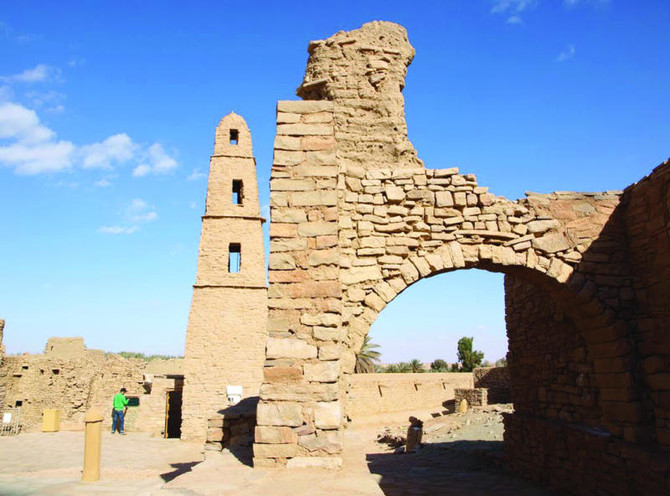
Let’s starting with the capital of the Kingdom, Riyadh. This city is glamorous and filled with cultural and modern activities, shopping and cultural sightseeing places. Riyadh is one of the wealthiest cities in the world. It is a contrast of gleaming modern towers amid traditional architecture and values, with a variety of sites and activities that will help newcomers understand and adjust to life in the country. Al-Diriya is the most historical and cultural site in town, the ancestral home of the Al-Saud family has a visitors’ center, a mosque, palaces (ruined and restored) and Arabic baths.
Camping in Riyadh is a big deal for the locals where they rent tents and empty lands in Al-Thumama area to host outdoor BBQ gatherings, desert activities and maybe some board games with the family.
The iconic Kingdom Tower is the one place you cannot miss when you visit Riyadh. This 3280 ft. tall building includes the best five-star hotel in Riyadh, a great shopping center, high-end restaurants and office space.
If you are interested in knowing more about the air force, crafts and historical facts and figures about Saudi Arabia, then you must pass by the Royal Air Force Museum. Another interesting visit would be to the Masmak Fortress, it is Riyadh’s most significant historical monument that dates back to1865. It has audio-visual presentations on the building’s volatile history, weapon displays and a gallery of photos of Saudi Arabia dating all the way back to 1912.
Jeddah
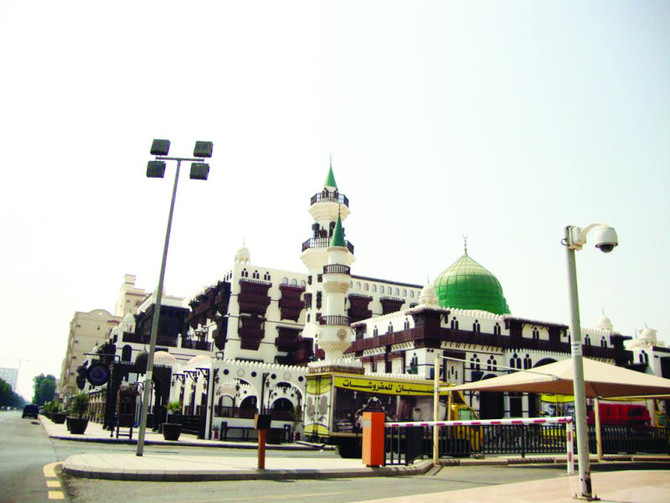
Jeddah is the city where everything happens. It is the perfect city to visit in every season for it is situated right by the Red Sea, making it accessible for those looking for water activities, or just a great meal by the sea. Jeddah is known to have something for everyone, if you are an art lover, you have to check out the great local and international art galleries where there is always a solo exhibition happening. For those who love history, you should pass by Balad, Arabic for downtown Jeddah, where it is kept exactly like it was 80 years ago and also pass by Naseef House, one of the few remaining historic houses built from coral that belonged to one of the city’s top trading families. You would want to see Al-Tayibat City Museum, which is known for showcasing the private collection of a local merchant comprising everything from ancient coins to exquisite Islamic pottery. You should for sure pass by the famous corniche, which is a 35 km long seafront promenade that is lined with world-class sculptures. Jeddah is lined up with private beach resorts for you to book and enjoy as a great exclusive family activity. It is important for Jeddah visitors to see the world’s tallest flagpole holding the Saudi flag up high and the world’s tallest fountain called King Fahd Fountain by the city’s seaside.
Makkah and Madinah
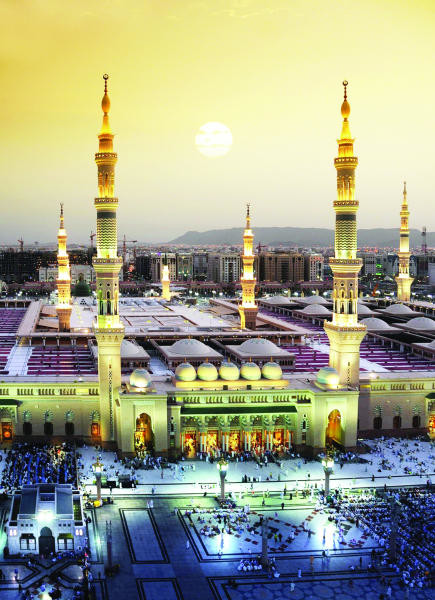
Every single Muslim around the world seeks to visit Masjid Al-Haram in Makkah, and Masjid Al-Nabawi in Madinah. Islamic tourism is very big in the Kingdom where the government has made all the necessary arrangements for visitors to get as much as they can from their trips. Authorities have also arranged tours in private buses with interpreters to guide visitors on various aspects, such as, where to go, where to sleep and what to eat around these cities. If you are in any of these two cities, you need to get out of the mosques and explore a little, learn more about the Saudi culture and visit one of the many souks surrounding the mosque and maybe buy some souvenirs. You should also take this opportunity to have a traditional Saudi meal and take a long walk to see all the monuments and historical sites mentioned in various prophetic sayings.
Alkhobar
Alkhobar in the Eastern Province is a vibrant city with multiple lifestyle hubs and shopping centers. Its long, beautiful corniche is lined with numerous international and local cafes and restaurants that overlook the Arabian Gulf.
The cities of Alkhobar, Dhahran and Dammam are known as the “Triplet Cities,” for they are about 20 km away from each other and essentially form one big city.
Alkhobar is home to Saudi Aramco, the world’s biggest oil and gas company, where many of the local and international residents work. The city is very pleasant, cosmopolitan, interesting and colorful.
Taif
It is known as the Rose Capital of the Kingdom for its famous pure rose water and oil, which are made in a very basic and traditional way.
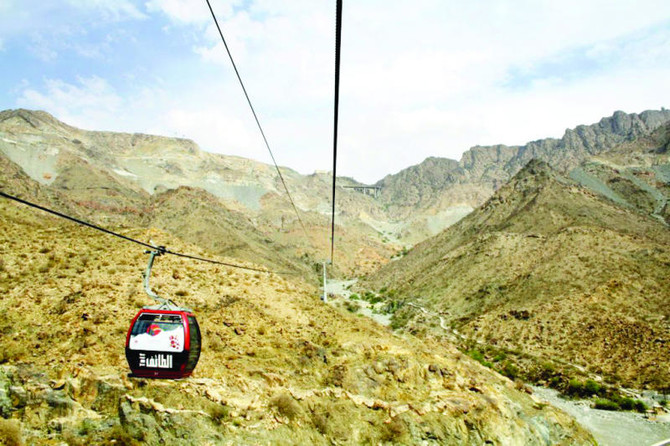
If you are not afraid of heights, then you should definitely take a trip to the second highest point in the Kingdom, Al-Shafa mountain, and enjoy the fantastic fresh, cool mountain air. You should visit The National Museum, which showcases life of the past before the advent of technology in Saudi Arabia. You will find items that were used in the bygone days, such as, old cars and other interesting items used by Bedouins in the desert. For those who love horses, the famous Al-Massara International Equestrian Center, largest horseback riding center in the Middle East, is a must visit. Al-Hada mountain is an interesting place too. It is known for its baboons that live on the sides of its highways, it is always fun to pass by the fruit and vegetable open market to pick up some food and feed the baboons off the street.
Rijal Alma
It is located in the Asir province. The stone-built village, stern guardian to a trade route that has long disused in a valley at the foot of the Souda Mountain, was hewn and dressed and built with relatively crude tools out of the local rock. It required a huge amount of human effort to build. Its residents initiated rehabilitation works a long time ago to attract tourists to the area and benefit from its economic potentials. To experience and physically interact with peninsula history from a time centuries before the Saudi state ever came into existence will hopefully, in a world full of virtual truths in cyber space, ground the Saudi visitor on the foundations of his culture.
Dumat Al-Jandal
It is located in the Al-Jouf province. One of the famous attractions in the area is the Mard building, which is a great castle fort.
The name Dumat Al-Jundal is derived from the phrase “Dumah of Stone” because it was a place occupied by renowned people in the ancient times. Though this place is dry looking, with mud and brick walls and buildings, it has a great history and is a treasure for interested archaeologists who can search for different secrets embedded in its dwellings. The architectural aspects attract many tourists from different parts of the world. The lake is a must-see because any lake is a rare feature in the desert; this one is not natural, but the result of the outflow of processed waste. What makes it unique is how clean the water is, and why it remains that way.
Madain Saleh
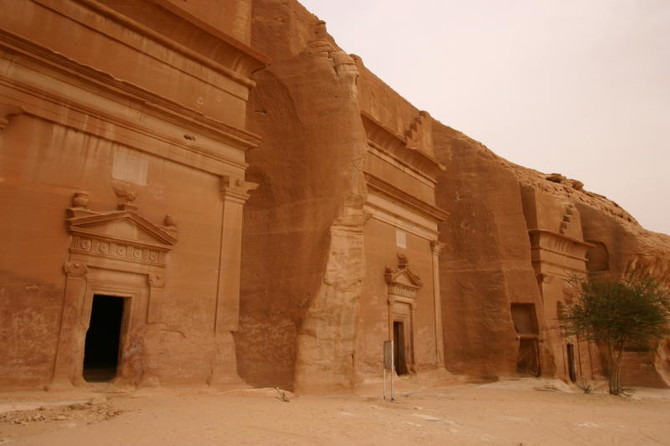
Described as the largest and best-preserved site of the Nabataean civilization south of Petra in Jordan, Madain Saleh is the first Saudi archaeological site to be inscribed in UNESCO’s World Heritage List. It boasts intricately designed water wells that serve as a prime example of the Nabataeans’ architectural and hydraulic genius.
Officials at Madain Saleh say that the number of visitors to the site reached 40,000 in 2014, most of them Saudis and foreign residents of the Kingdom.
Two museums also exist on the site, including one devoted to the famous Hijaz railway built by the Ottomans in the early 20th century that ran from Damascus to Madinah and passed through Al-Hijr.
The second museum, which opened its doors to visitors just two months ago, traces the pilgrimage route to Islam’s holiest city of Makkah.


![]()
![]()
![]()
![]()
![]()
![]()
![]()
![]()
Discovering the Kingdom


Discovering the Kingdom
Latest updates


Recommended


© 2026 SAUDI RESEARCH & PUBLISHING COMPANY, All Rights Reserved And subject to Terms of Use Agreement.