- US forces have assisted by providing coordinated protection to nearly 1,500 commercial vessels transiting the vital waterway
- Shipping traffic via Strait of Hormuz on Thursday slips below 10-day average, data shows
Admiral Brad Cooper, Commander of US Central Command, said early Friday that Iranian sea mines in international shipping lanes of the Strait of Hormuz have been successfully cleared.
“Internationally recognized transit routes in the Strait are free of Iranian sea mines, thanks to the incredible work of the US military,” Cooper said in a CENTCOM social media post.
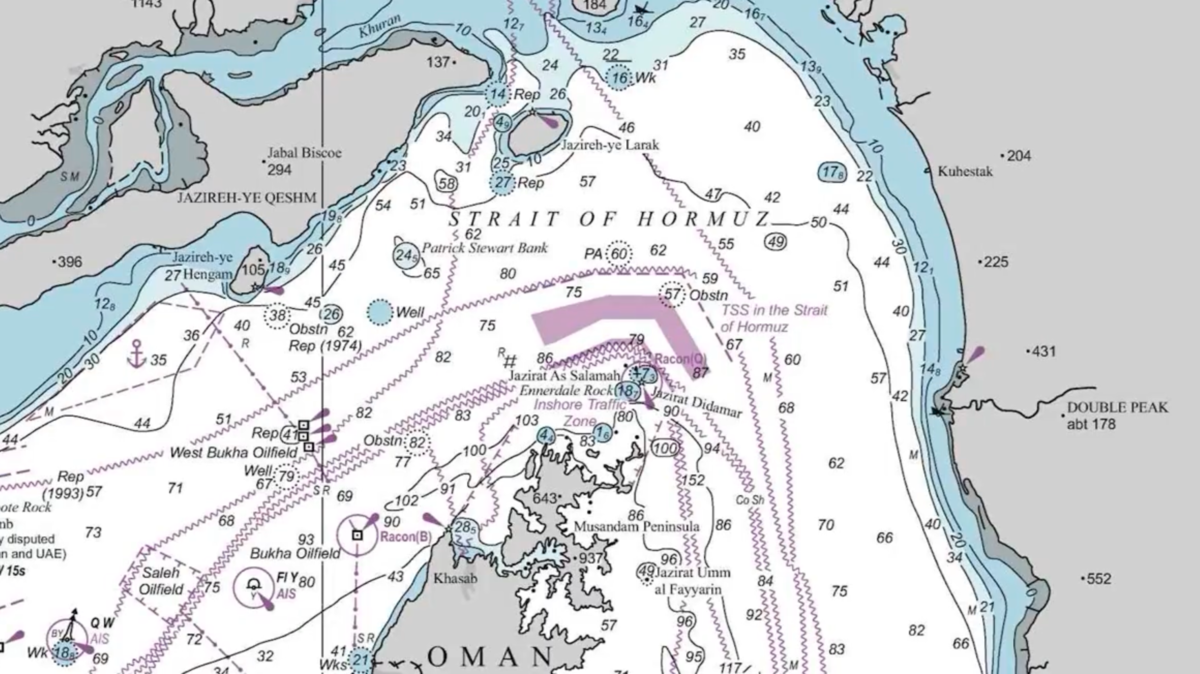
The US commander explained that at the internationally recognized Traffic Separation Scheme of the Strait of Hormuz, long-standing lanes international shipping used to transit the waterway, “our forces meticulously and quietly cleared them of sea mine threats.”
“The circumstances were challenging and dangerous, to say the least, but we got the job done. Bottom line today: International shipping lanes are open and momentum is building.”
Cooper said US forces have assisted by providing coordinated protection to nearly 1,500 commercial vessels transiting the vital waterway, ensuring almost 750 million barrels of crude oil destined for global energy markets were safely transported.
On the contrary, “Iran has exported zero oil from its shores since we resumed the naval blockade in mid-July,” Cooper said.
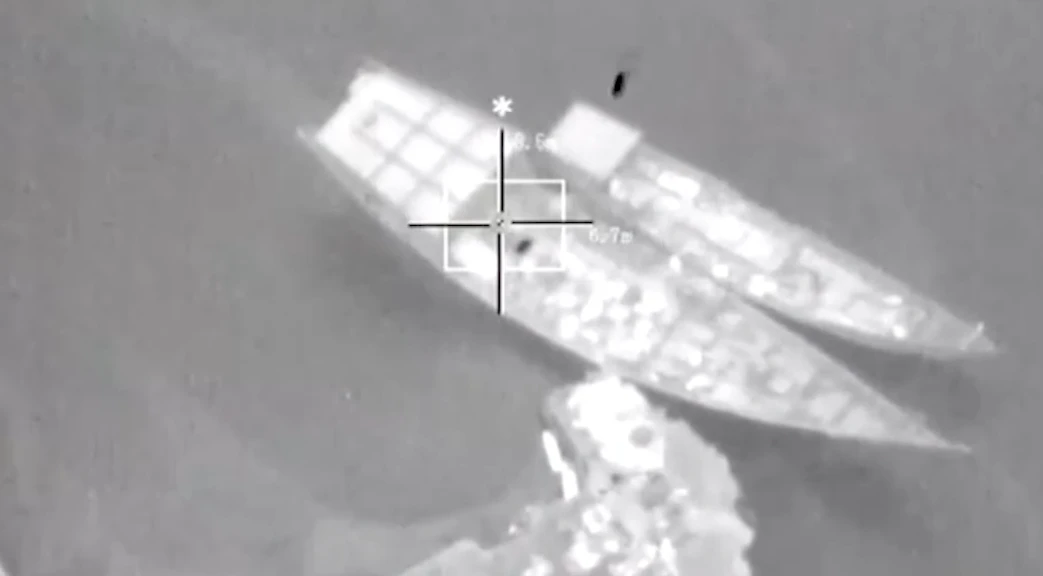
“No ships have entered or left an Iranian port without our permission, and we have only allowed ships to pass through on humanitarian grounds,” with US troops forcing around 75 vessels, attempting to run the blockade, to turn around as well as disabling three vessels that did not comply when directed.
Meanwhile, Reuters reported that five commodity vessels transited the Strait of Hormuz on Thursday, down from 17 a day earlier and below the 10-day average of 15, preliminary shipping data showed on Friday.
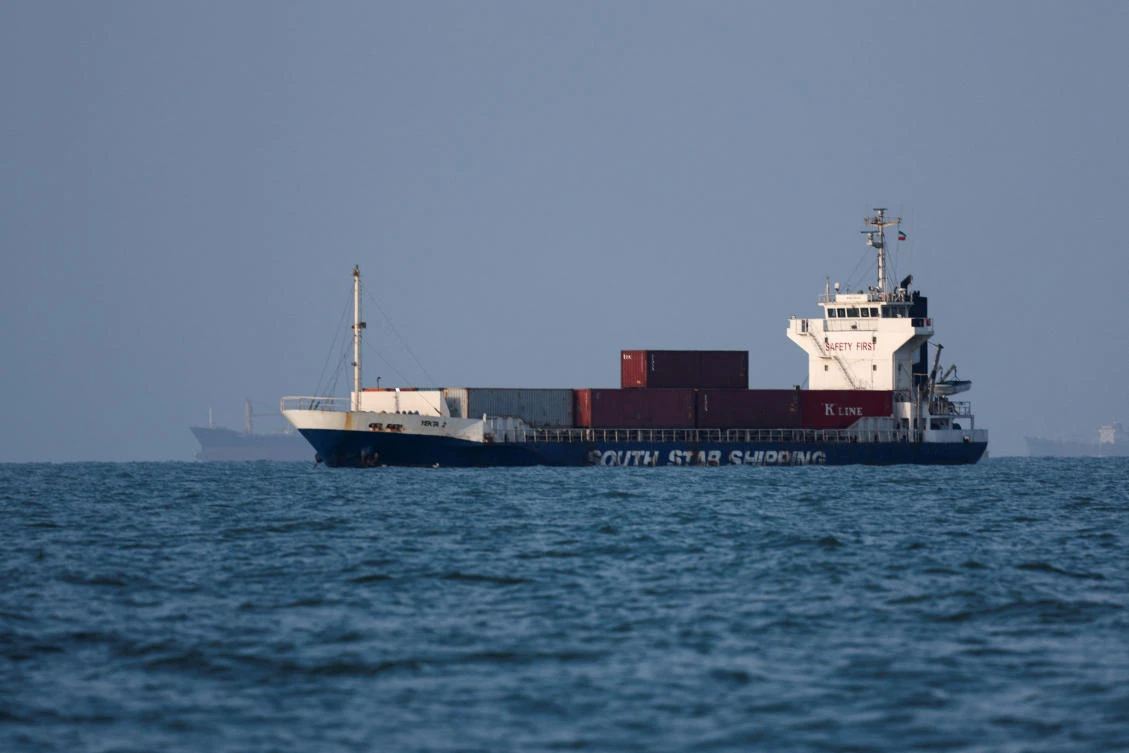
Among the five vessels that transited were two medium-range tankers and one very large gas carrier, initial data from shiptracker Kpler showed at 0225 GMT.
The figures could change as some ships typically switch off transponders during the voyage.
– with Reuters