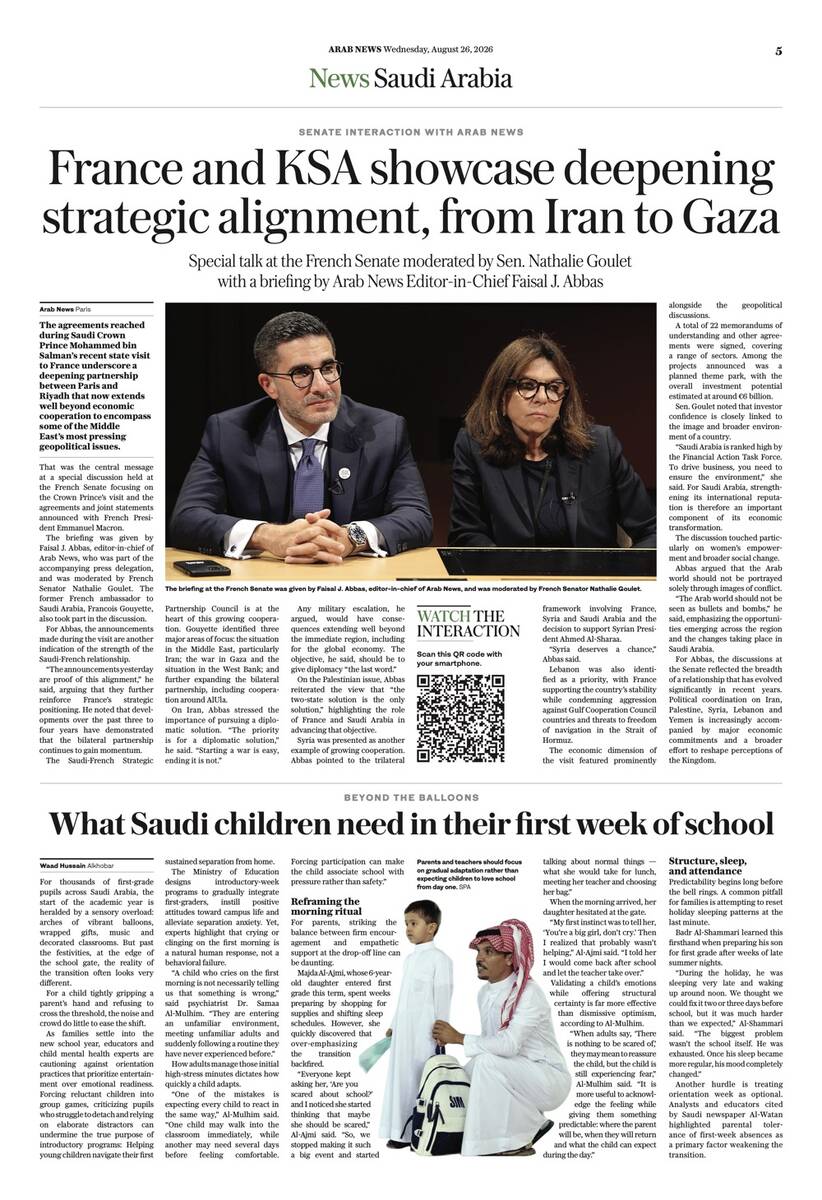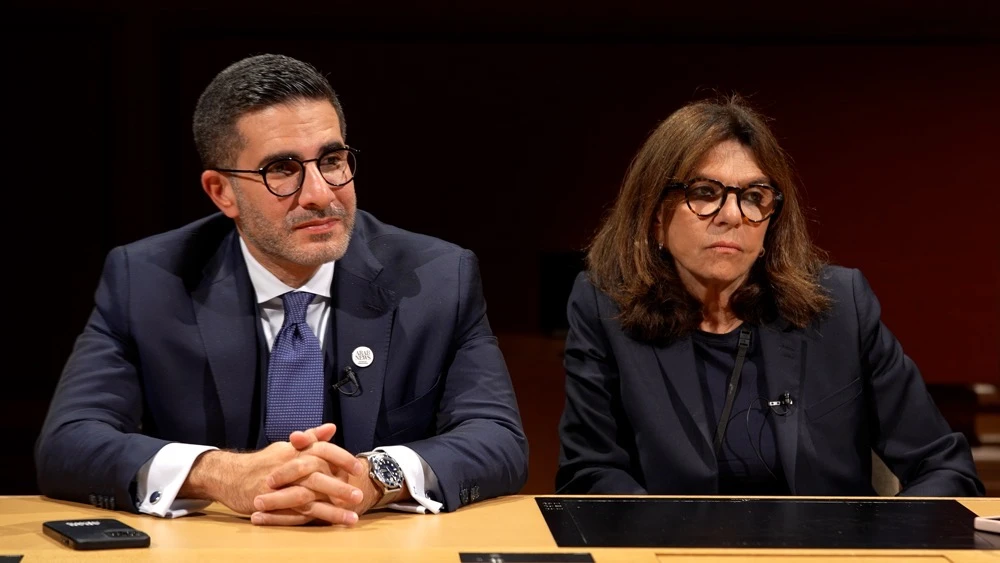
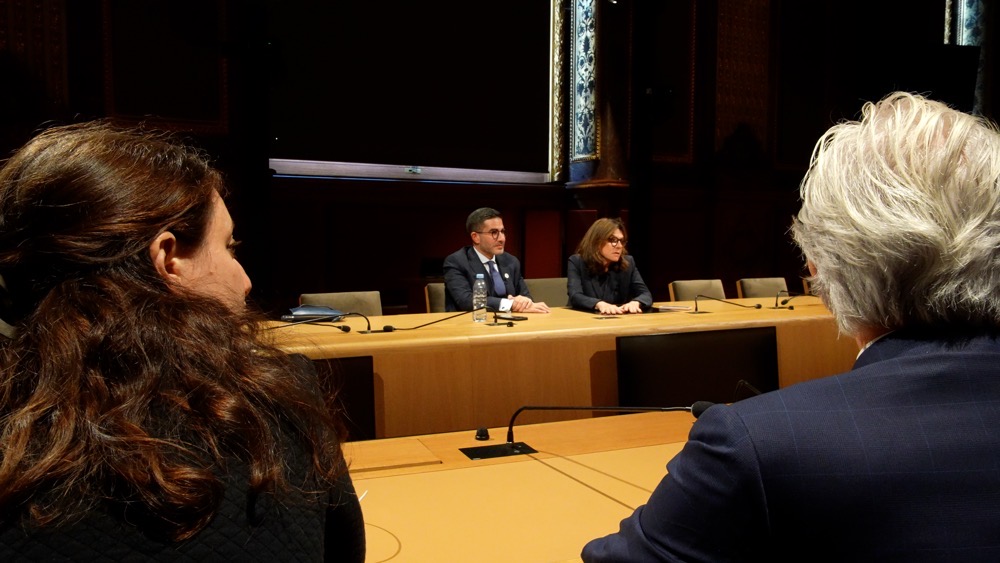
- Special talk at the French senate moderated by Senator Nathalie Goulet with a briefing by Arab News Editor-in-Chief Faisal J. Abbas
PARIS: The agreements reached during Saudi Crown Prince Mohammed bin Salman’s recent state visit to France underscore a deepening partnership between Paris and Riyadh that now extends well beyond economic cooperation to encompass some of the Middle East’s most pressing geopolitical issues.
That was the central message at a special discussion held at the French Senate focusing on the Crown Prince’s visit and the agreements and joint statements announced with French President Emmanuel Macron.
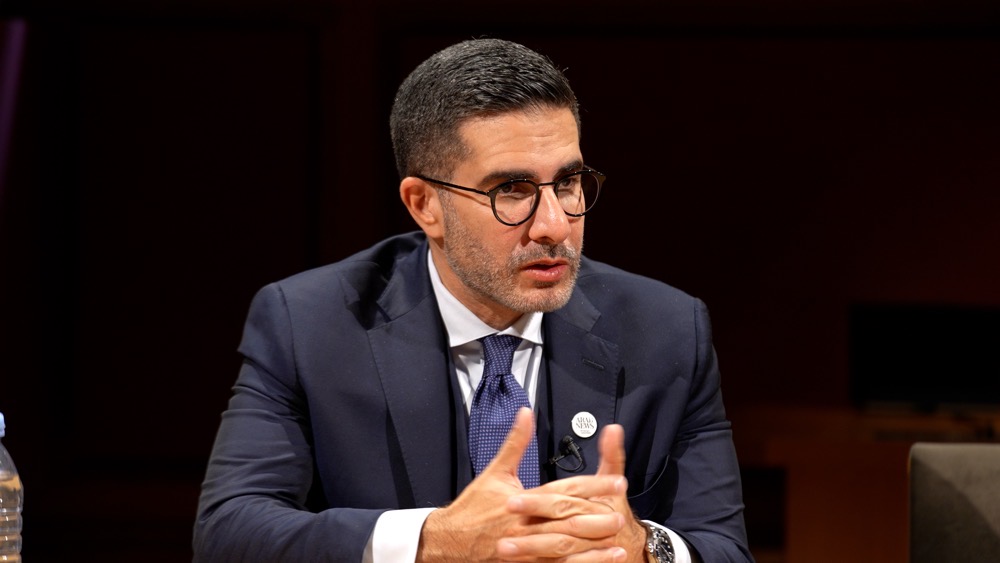
The briefing was given by Faisal J. Abbas, editor-in-chief of Arab News, who was part of the accompanying press delegation, and was moderated by French Senator Nathalie Goulet. Former French ambassador to Saudi Arabia, Francois Gouyette, also took part in the discussion.
For Abbas, the announcements made during the visit are another indication of the strength of the Saudi-French relationship.
“The announcements yesterday are proof of this alignment,” he said, arguing that they further reinforce France’s strategic positioning. He noted that developments over the past three to four years have demonstrated that the bilateral partnership continues to gain momentum.
The Saudi-French Strategic Partnership Council is at the heart of this growing cooperation. Gouyette identified three major areas of focus: the situation in the Middle East, particularly Iran; the war in Gaza and the situation in the West Bank; and further expanding the bilateral partnership, including cooperation around AlUla.
On Iran, Abbas stressed the importance of pursuing a diplomatic solution. “The priority is for a diplomatic solution,” he said. “Starting a war is easy, ending it is not.”
Any military escalation, he argued, would have consequences extending well beyond the immediate region, including for the global economy. The objective, he said, should be to give diplomacy “the last word.”
On the Palestinian issue, Abbas reiterated the view that “the two-state solution is the only solution,” highlighting the role of France and Saudi Arabia in advancing that objective.
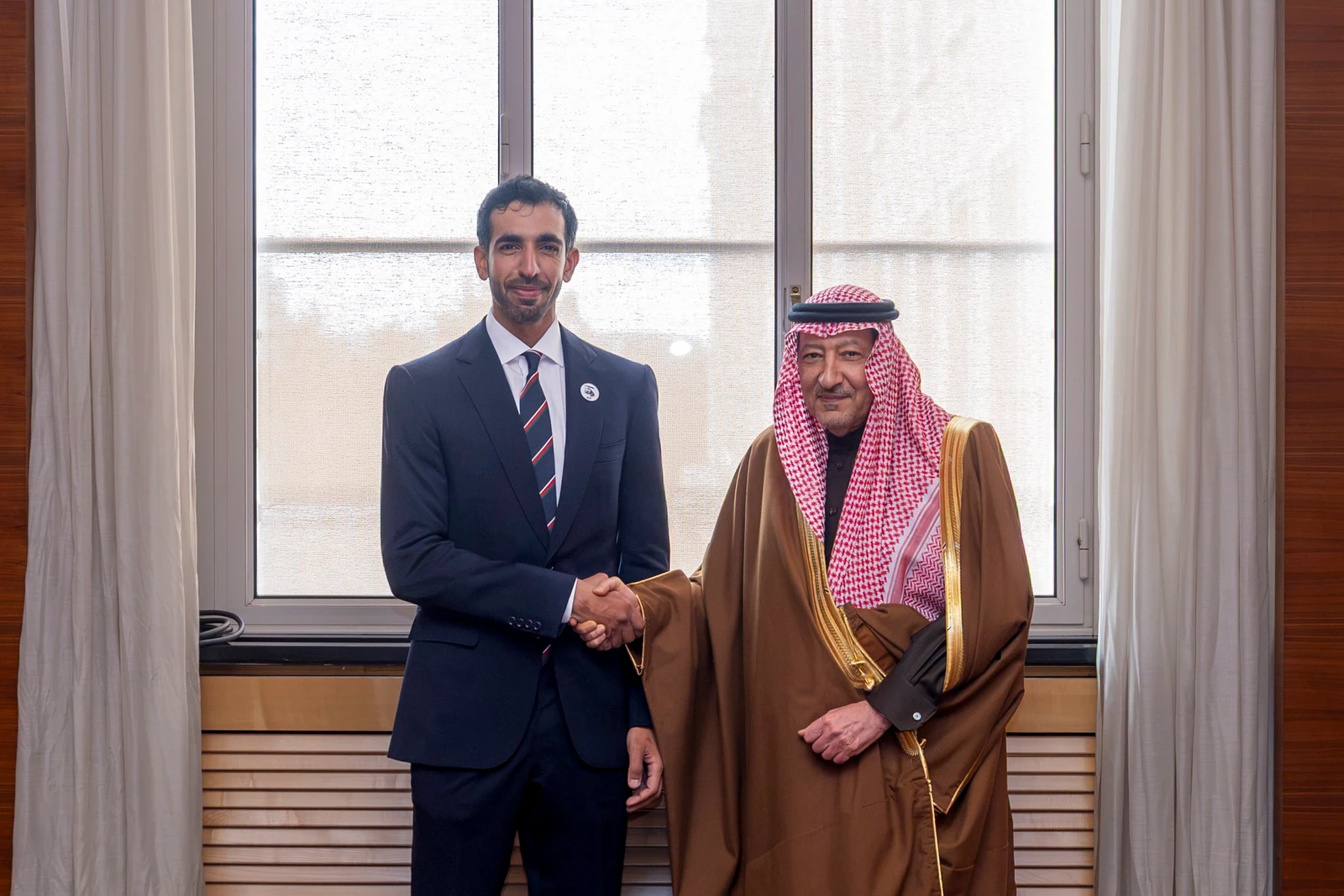
Syria was presented as another example of growing cooperation. Abbas pointed to the trilateral framework involving France, Syria and Saudi Arabia and the decision to support Syrian President Ahmed Al-Sharaa.
“Syria deserves a chance,” Abbas said.
Lebanon was also identified as a priority, with France supporting the country’s stability while condemning aggression against Gulf Cooperation Council countries and threats to freedom of navigation in the Strait of Hormuz.
The economic dimension of the visit featured prominently alongside the geopolitical discussions.
A total of 22 memorandums of understanding and other agreements were signed, covering a range of sectors. Among the projects announced was a planned theme park, with the overall investment potential estimated at around €6 billion.
The projects could generate as many as 22,000 jobs, further illustrating the scale of the economic ambitions underpinning the bilateral relationship.
For the participants, the agreements reflect the growing complementarity between the two economies and the determination to translate political ties into investment and commercial opportunities.
The discussion also turned to Yemen and Saudi Arabia’s position on the conflict.
Abbas recalled that Riyadh had raised concerns about the Houthi threat roughly a decade ago, including by highlighting the issue with the administration of then-US President Barack Obama.
“Ten years later, it’s still a threat, not only to the region but to the world,” he said, arguing that developments had validated Saudi Arabia’s earlier warnings.
Saudi Arabia has also supported Yemen through efforts including the training of the Yemeni army and intelligence sharing.
At the same time, Abbas stressed that the priority now should be to end the conflict.
“The priority today is to stop the war,” he said, adding that doing so would be “the right thing for you, not only for your allies.”
He also distinguished between the strategic importance of the Bab Al-Mandab strait and the Strait of Hormuz. He argued that its impact on the global economy is less significant than disruption in the Strait of Hormuz.
Gouyette, meanwhile, stressed the importance of recognizing the “complementarity” between France and Saudi Arabia when addressing regional challenges.
The discussion also examined the importance of Saudi Arabia’s changing international image, particularly as the Kingdom seeks to attract investment and deliver the ambitions of Vision 2030.
Senator Goulet noted that investor confidence is closely linked to the image and broader environment of a country.
“Saudi Arabia is ranked high by the Financial Action Task Force. To drive business, you need to ensure the environment,” she said. For Saudi Arabia, strengthening its international reputation is therefore an important component of its economic transformation.
The discussion touched particularly on women’s empowerment and broader social change.
Abbas argued that the Arab world should not be portrayed solely through images of conflict.
“The Arab world should not be seen as bullets and bombs," he said, emphasizing the opportunities emerging across the region and the changes taking place in Saudi Arabia.
The comments echoed an argument made by Goulet in her recent opinion article, “2030 has already arrived,” in which she examined the Kingdom’s transformation.
The role of media in changing perceptions of Saudi Arabia and the wider Arab world was another major theme.
Abbas discussed the introduction of artificial intelligence and multilingual content initiatives associated with the launch of Arab News en français and Arab News’ 50th anniversary. The expansion of content into multiple languages is designed to make coverage accessible to a much wider international audience, around 80 percent of the global population.
But reaching a global audience does not necessarily mean that audiences will engage with the content.
“You can take the horse to the water, but you cannot force it to drink,” Abbas said, using the expression to illustrate the limits of media influence in an environment increasingly shaped by social media and changing patterns of news consumption.
The discussion therefore highlighted a broader challenge: ensuring that the rapid changes taking place in the Arab world are understood internationally, rather than being filtered through outdated perceptions of the region.
The meeting concluded with a call for continued engagement between France and Saudi Arabia across political, economic and media spheres.
Goulet suggested the creation of a Franco-Saudi Press Club to deepen exchanges between journalists and media professionals from the two regions.
For Abbas, the discussions at the Senate reflected the breadth of a relationship that has evolved significantly in recent years. Political coordination on Iran, Palestine, Syria, Lebanon and Yemen is increasingly accompanied by major economic commitments and a broader effort to reshape perceptions of the Kingdom.
For Paris and Riyadh, the relationship is no longer limited to traditional bilateral diplomacy. It is increasingly being positioned as a strategic partnership spanning regional security, investment, culture and media, in line with the wider transformation of Saudi Arabia.
-
This article first appeared on Arab news en Francais