- MG JW Automobile Pakistan to export 5,800 vehicles to RANCON Group in next four years as per deal
- Deal to promote healthy competition in automobile in Bangladesh, expand range of vehicles there, says Pakistan
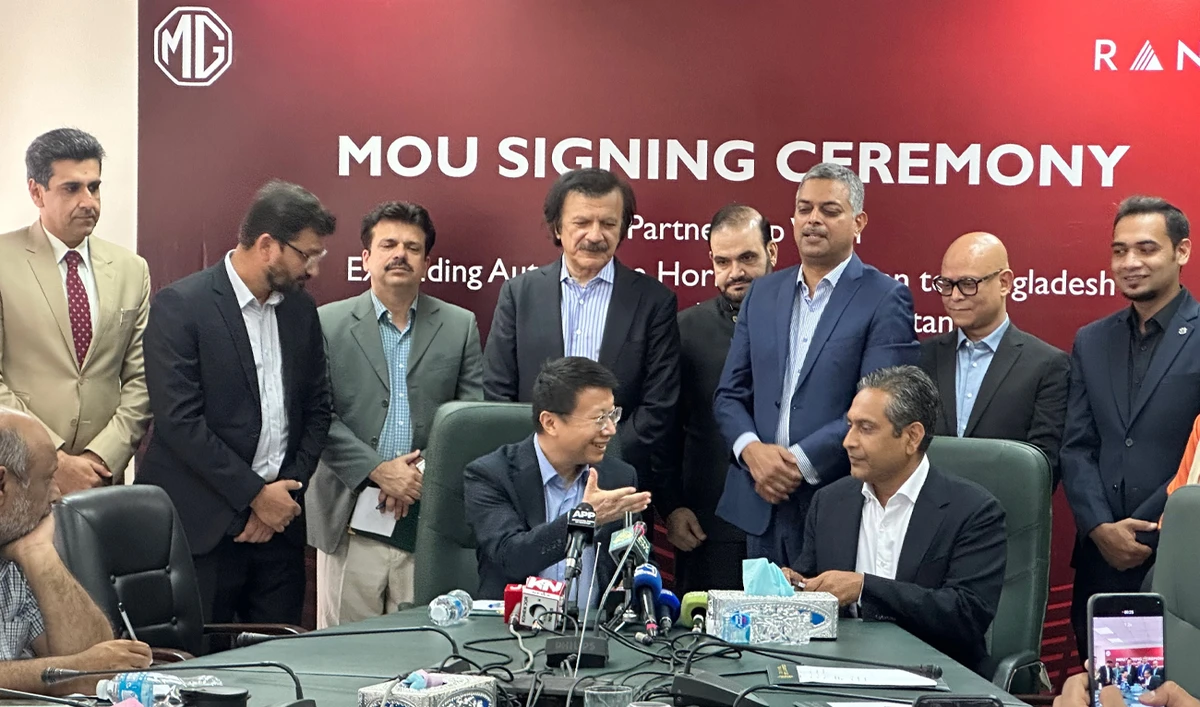
ISLAMABAD: Pakistan’s MG JW Automobile company signed a memorandum of understanding (MoU) this week with Bangladeshi conglomerate RANCON Group to export Pakistani vehicles to Bangladesh, as both countries eye greater business-to-business (B2B) ties.
RANCON is a major business group in Bangladesh that operates in several fields like cars, real estate and electronics. Under the agreement, MG JW Automobile will export 100 vehicles to Bangladesh during the current year, while total exports are projected to reach 5,800 vehicles over the next four years, the Pakistan High Commission in Bangladesh said on Friday.
The high commission said that the deal is expected to benefit Bangladesh by expanding the range of vehicles available in its market, promoting healthy competition, and providing consumers with more choices at competitive prices.
“The agreement will also contribute to closer economic cooperation between Pakistan and Bangladesh and encourage greater business-to-business collaboration,” the high commission said.
Special Assistant to the Prime Minister on Industries and Production Haroon Akhtar Khan welcomed the agreement. He expressed confidence that such partnerships would strengthen trade and economic relations between both nations, and open avenues for cooperation between their private sectors.
Pakistan’s automobile sector employs millions of people and is led by established assemblers such as Honda, Toyota, Suzuki, Hyundai and Kia, alongside comparatively newer entrants such as MG and Haval.
Last year, Pakistan announced plans to gradually cut tariffs on the auto sector over five years and develop an export strategy as the government seeks to strengthen the domestic market and boost overseas sales.
The development takes place as Islamabad eyes enhancing its exports to ensure sustainable economic growth and boost its foreign exchange reserves.