


RIYADH: As people turn increasingly to social media for direction about diet, fitness and sports culture, the online athletic community is booming with interest, content creators, and a following that is here to stay in the Kingdom.
Both male and female athletes are growing significant followings as the wellness space expands. The physical aspect of health may seem to be a mere online trend, but that trend has cemented itself into mental health consistency and everyday routines for many.
The wide range of fitness activities has made room for everyone, with everything from Olympic aspirations to everyday gym routines for the average citizen on offer; the Kingdom is fostering its Quality of Life Program goals as a part of Vision 2030 on a people-to-people level.
Since its launch in 2018, the program has aimed to emphasize physical health as a key component in promoting increased quality of life for citizens and residents. As the Kingdom continues to prioritize sports and wellness, initiatives such as the Ministry of Health’s 30-minute daily walking target are helping to make physical activity a regular part of everyday life. The shift is increasingly reflected online as Saudi fitness influencers drive inspiration, motivation and structured wellness advice promoting healthier lifestyles.
Speaking to Arab News on the progress, challenges and cultural shift that they see on a firsthand basis as public online figures, several athletes and influencers gave key insights into the Kingdom’s transforming fitness scene and its multidimensional effects.
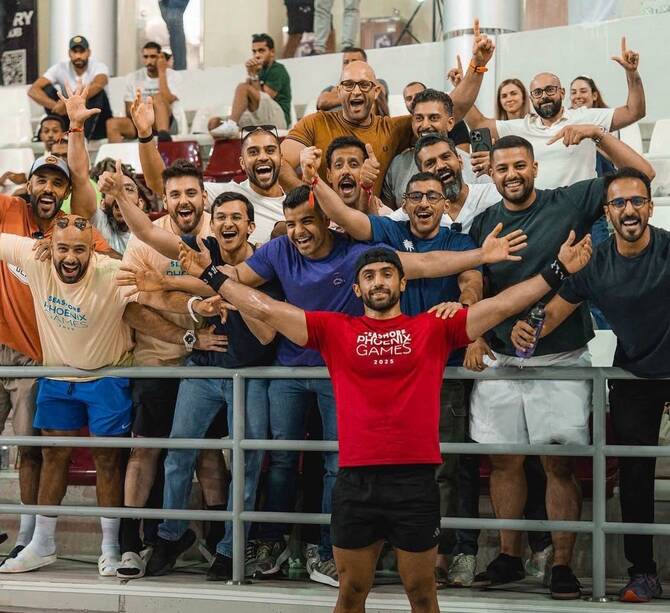
Mohammed Alikhan, a Khobar-based sports influencer, elaborated on the ways that incorporating fitness into society extends into mental and nutritional wellness on an individual level, sharing that the negative sides of social media are important to consider when promoting fitness.
“I think there’s a responsibility when sharing fitness content online because social media can sometimes create unhealthy pressure, comparison or unrealistic expectations. That’s why I try to promote a more balanced and sustainable approach to fitness rather than an ‘all or nothing’ mindset.”
Rakan Alireza, a Saudi cross-country skiing athlete and Olympian who also has an online presence, gave insight into the delicate issue of mental health in sports, telling Arab News: “‘Go hard or go home’ — I think that’s the thing that a lot of people take wrong, they feel that in training or doing something, we need to feel the pain and you need to suffer through it to actually achieve something, but in reality, it’s about consistency and it’s about the journey.”
He added that in his experience with youth, setting rigid and high standards distracted from the crucial learning experiences gained through focusing on the journey.
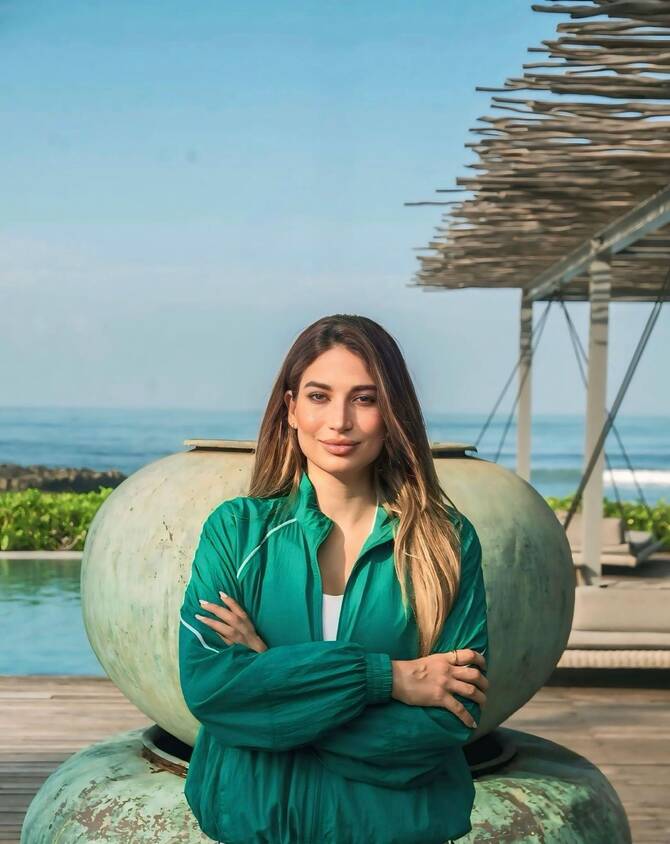
Ebaa Sabbagh, a sports influencer and fitness trainer specializing in Pilates, yoga and strength training, shared insights from a wholistic perspective on the crucial connection between mental health and sustaining physical results. She explained that she prioritized body and mind check-ins in her classes.
“If a movement feels uncomfortable or harmful, I teach them to stop and listen instead of forcing it,” she said. “The same awareness applies to food, stress, recovery and emotions. Real balance starts when people become honest and connected with themselves.” She added that true overall wellness was “about protecting the body long-term so people can continue living, breathing and moving with strength and freedom throughout life.”
AliKhan also spoke about other aspects of sports influencing, such as the growing impact that social media has had on the fitness community in the Kingdom as it pairs with the Quality of Life Program. He said that he had seen a surge in the fitness space from the general Saudi community.
“One thing I’ve really noticed over the past few years is that younger Saudis are becoming much more interested in fitness and sports as part of their lifestyle, not just as a short-term goal. Before, many people focused mainly on aesthetics or quick results, but now I’m seeing a growing interest in performance, health, discipline, and even the social side of sports and training.”
The trend of rising interest from the younger community in the Kingdom was echoed by Alireza.
“I think with the new vision, two things; there’s more accessibility to sports now, the support system is there, the clubs are there, the federations are there to grow grassroots” he said. He added that the acceptance of “athlete” as a profession from the community was another source of encouragement for youth to commit to their fitness journeys.
Sabbagh echoed the thoughts of AliKhan and Alireza, emphasizing the underlying sense of community development as a means of creating collective fitness improvements.
“This is how societies evolve — one person inspires another, and then that person inspires someone else” she said. “I believe what’s happening today in Saudi Arabia is much bigger than fitness trends. It’s a real lifestyle and cultural transformation happening collectively across the country.”
As the Kingdom continues to move toward a health-conscious and fitness-centered society, sports influencers are taking hold of the reins to guide Saudi youth toward conscious, intentional and structured fitness to maintain the community’s role as permanent, despite the booming sport trends that come and go.


