- The hazardous waste facility in Jubail combines treatment, energy recovery and environmental compliance, says official
JEDDAH: A hazardous waste treatment facility in Saudi Arabia’s Eastern Province is helping industrial companies divert waste from landfill while recovering energy for industrial use, according to Veolia Arabia.
Located in PlasChem Park in Jubail, the Tahwil plant can treat up to 121,000 tonnes of hazardous waste annually, generate 40 tonnes of steam per hour and provide 39 megawatts of heat capacity.
According to officials, the facility — Veolia Arabia’s first hazardous waste treatment plant in the Middle East — has also created 120 jobs.
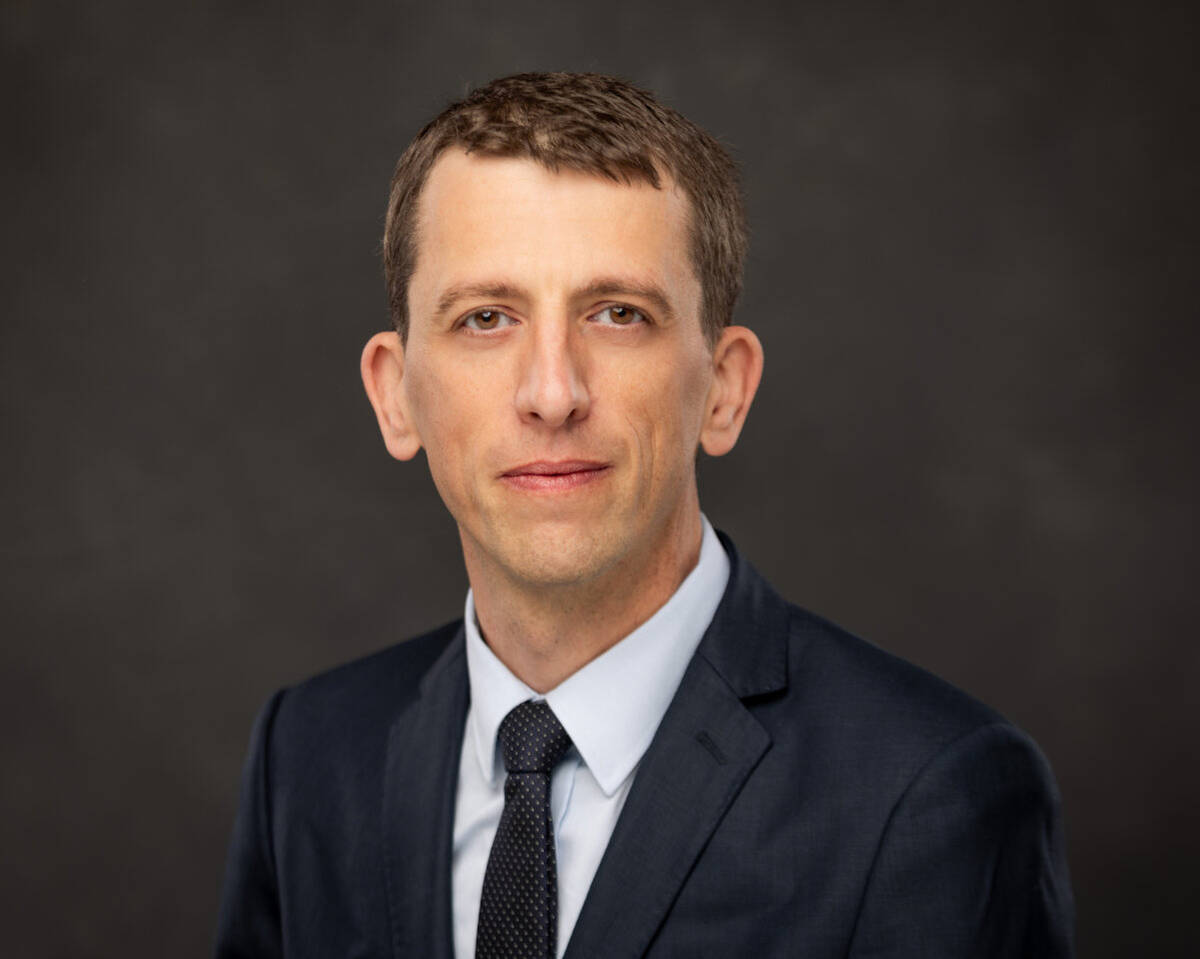
CEO Benjamin Aubert told Arab News the treatment process begins with the controlled receipt and analysis of waste to ensure it meets regulatory requirements. The waste is then sorted, pretreated and securely stored before being incinerated at temperatures exceeding 1,100 degrees Celsius, destroying hazardous compounds in a controlled environment.
“During the process, energy recovery and emission-control systems capture waste heat to generate steam and support the plant’s operations,” he said. “Advanced treatment systems and continuous monitoring are then used to ensure emissions remain clean and safe.”
He added the facility’s regional significance lay in combining hazardous waste treatment with energy recovery. Instead of sending non-recyclable hazardous waste to landfill, the plant captures heat generated during incineration and converts it into steam for industrial use.
“This energy is fed back into the industrial ecosystem, reducing dependence on conventional energy sources, lowering carbon dioxide emissions, regenerating resources and supporting decarbonization and sustainability goals,” he explained.
According to Aubert, Tahwil has diverted more than 85 percent of the waste it has received from landfill since becoming operational. He said this helps extend the lifespan of existing disposal sites while reducing the risks associated with long-term storage.
The plant can treat most categories of hazardous industrial waste under strict safety procedures, including controlled access and continuous monitoring.
The Royal Commission for Jubail and Yanbu’s environmental regulations and the National Center for Waste Management’s landfill-diversion initiatives have increased their expectations for companies to document how waste is collected, transported, treated and disposed of.
Aubert said traceability and compliance were integrated throughout Tahwil’s waste-management process. The plant’s technical team works with clients to assess their waste streams, including the quantities and categories of waste, packaging methods and existing disposal arrangements.
“This is followed by a comprehensive compliance-gap review that evaluates the full waste-management lifecycle, aligns operations with regulatory requirements and ESG reporting needs, and identifies areas for improvement,” he said.
“Based on these findings, Tahwil provides a customized treatment proposal, with dedicated standard operating procedures where required, supported by a complete ESG documentation package.”
He said certified treatment records could help industrial companies demonstrate regulatory compliance, reduce operational risks and provide measurable data for environmental, social and governance reporting.
Investor scrutiny of waste management is increasing as companies seek to reduce landfill disposal and emissions while strengthening governance. Aubert said measurable environmental performance can improve investor confidence and ESG ratings, with Tahwil supporting these efforts through waste traceability, landfill diversion, energy recovery and documented regulatory compliance.
The facility also reflects Veolia’s broader ecological transformation strategy by reducing pollution, recovering resources and lowering carbon emissions.
As Saudi Arabia advances its Vision 2030 environmental and industrial goals, Tahwil could serve as a model for hazardous waste treatment across the Kingdom and the region.