- Houthi threat to Red Sea shipping raises concerns over Pakistan’s oil imports
- Saudi pipeline bypasses Hormuz but exports still rely on Bab Al-Mandab route
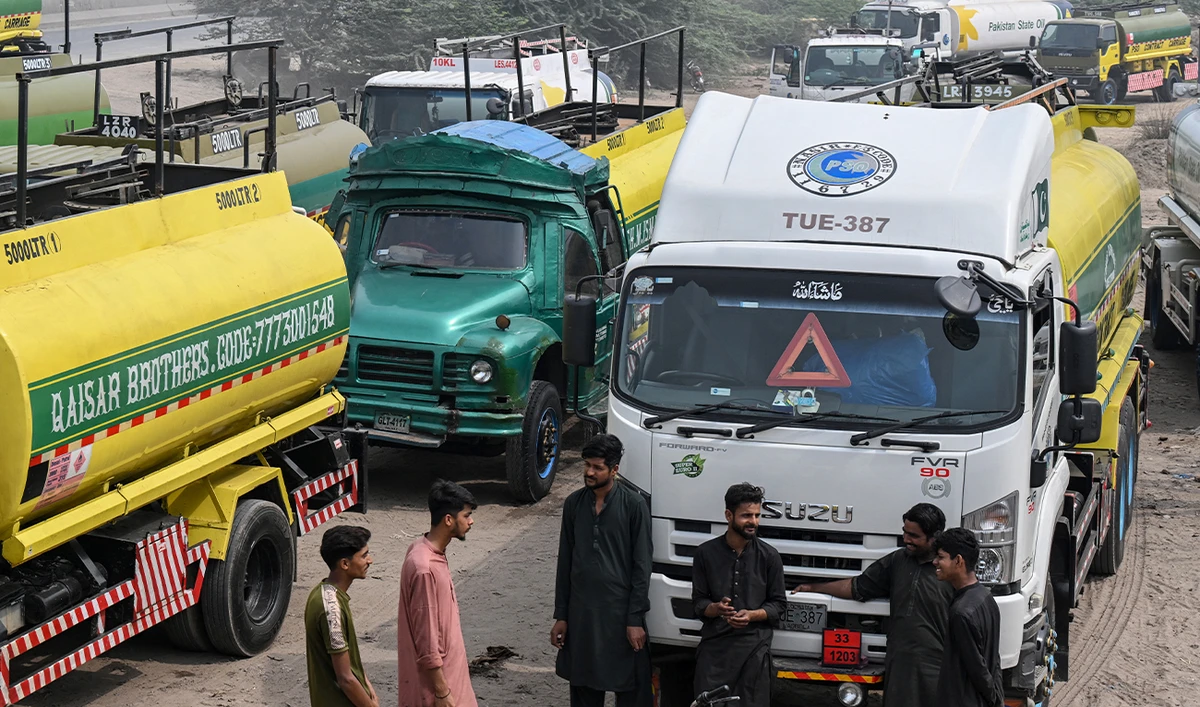
ISLAMABAD: Pakistan could reintroduce strict austerity measures and fuel-conservation policies if the United States-Iran war spreads to the wider region and disrupts Red Sea oil supplies, a senior government official said on Tuesday, warning that such a situation could force the country to seek more expensive crude from distant suppliers.
The warning came after Yemen’s Iran-backed Houthi movement announced a “maritime embargo” on Monday, threatening Saudi-linked shipping in the Bab Al-Mandab Strait, the narrow waterway connecting the Red Sea to the Gulf of Aden through which vessels travel between Europe and Asia.
The threat has heightened concerns because Saudi Arabia has increasingly relied on the Red Sea route after the closure of the Strait of Hormuz, the strategic gateway from the Arabian Gulf to the Arabian Sea, following the Iran-US conflict.
Crude from Saudi Arabia’s eastern oil fields is transported across the Kingdom through its East-West Pipeline to Yanbu Port on the Red Sea, allowing exports to bypass Hormuz. However, tankers bound for Asian markets, including Pakistan, must still sail south through the Bab Al-Mandab Strait before entering the Indian Ocean.
“As the Strait of Hormuz is closed due to the Iran-US conflict, the Bab Al-Mandab Strait is currently the only available route to import petroleum products into the country,” Pakistan’s Special Secretary Petroleum Mirza Nasir-ud-Din Mashhood Ahmad told Arab News following a Senate Standing Committee meeting on Petroleum.
“The closure of this route would force Pakistan to look toward more distant sources, particularly Nigeria in West Africa and the United States, for oil imports,” he added.
Despite mounting geopolitical tensions, Ahmad said there was no immediate supply crisis, confirming that “Pakistan has petroleum reserves to cater to the country’s needs till August 2026.”
However, he cautioned that a prolonged disruption would force Islamabad to rely on more distant and logistically challenging supply routes, increasing freight costs and pushing up domestic fuel prices.
Asked whether Pakistan would consider reviving emergency energy-saving policies introduced earlier this year, Ahmad replied: “Yes, we can if the situation reaches that point.”
However, he reiterated that the situation remained under control for now.
Pakistan implemented sweeping austerity and fuel-conservation measures between March and June 2026 to stabilize the economy and conserve foreign exchange reserves as Middle East tensions disrupted global energy markets.
The measures included halving fuel allowances for official vehicles, grounding 60 percent of the government’s vehicle fleet, introducing a four-day work week for selected public services, closing schools for two weeks and shifting universities to online learning.
Those restrictions were lifted after the US and Iran signed the Islamabad Memorandum of Understanding last month, temporarily easing regional tensions before the latest Houthi threat to Red Sea shipping.
An Information Ministry official told Arab News on condition of anonymity that ministries had already begun limiting the use of official vehicles.
“There has been no official notification yet, but various ministries have already restricted the use of official cars,” he said.