

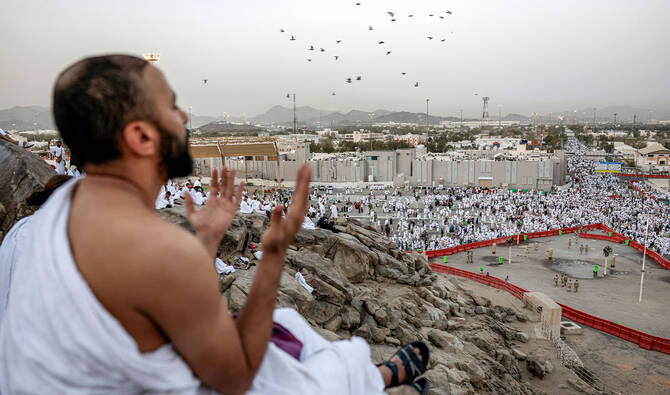
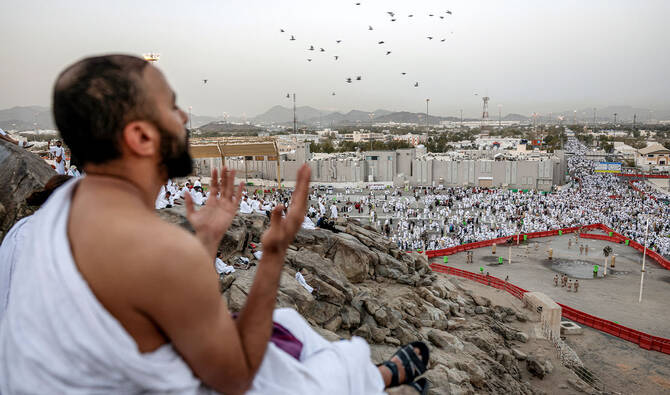
ISLAMABAD: More than 308,000 Pakistanis have registered to perform Hajj between 2027 and 2030 within three weeks of the launch of registrations under the country’s first four-year Hajj policy, state media reported on Monday.
The registrations, which opened on June 22, are part of Pakistan’s new four-year Hajj Policy and Plan for 2027–2030, replacing the previous annual framework. The policy introduces continuous registration through 2030, greater digitization of Hajj services, mandatory training for pilgrims and long-term operational planning aimed at improving facilities and management of the annual pilgrimage.
“A total of 222,000 applicants have opted for the government Hajj scheme, while 86,000 have registered under the private Hajj scheme,” the religious affairs ministry spokesperson said in a statement reported by state news agency APP.
Pakistan sends around 179,000 pilgrims to Saudi Arabia each year under a quota allocated by the Kingdom, though the final number depends on Saudi authorities. The new registration system is intended to help Islamabad negotiate future quotas, improve long-term planning and streamline services for pilgrims.
The ministry said 181,000 of those who had registered were men and 127,000 were women. The largest group of applicants, about 119,000, were between 33 and 44 years old, while around 40,000 were over the age of 61.
The educational profile of registrants included about 3,500 PhD holders, 53,000 people with master’s degrees and 71,000 bachelor’s degree holders.
The spokesperson said the ministry was also considering introducing an online Hajj fee payment system in the next phase of the registration process.
According to the ministry, registration is being carried out through the online Hajj Portal and the Pak Hajj mobile application, supported by the National Information Technology Board, allowing intending pilgrims to complete the process remotely.


