- Revival of ancient traditions disrupted by over a decade of conflict
- Pianist Gaswan Zerikly highlights Syria’s ancient musical notation
DAMASCUS: Western classical music and centuries-old Arabic musical traditions came together at the Damascus Opera House in the Syrian Arab Republic this week.
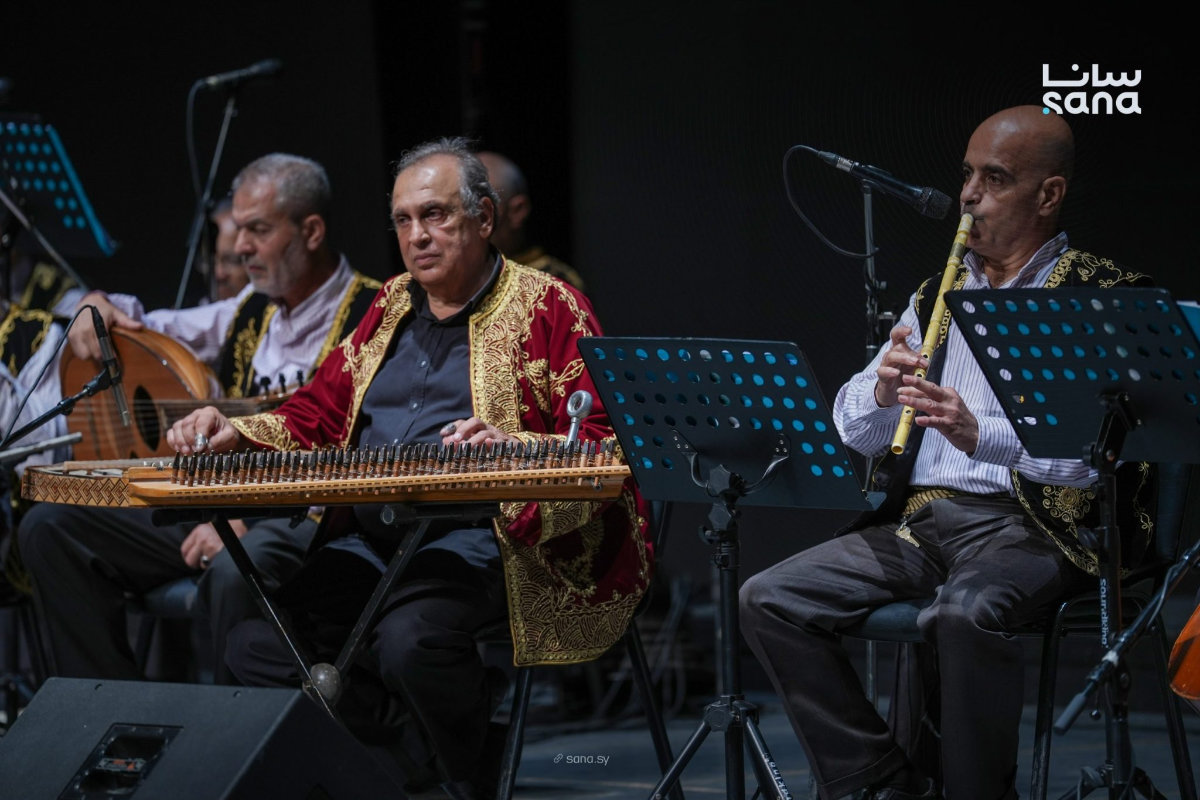
Syrian pianist and composer Gaswan Zerikly joined the Arab Music Ensemble for Heritage Revival in a performance celebrating the country’s rich cultural legacy, the Syrian Arab News Agency reported.
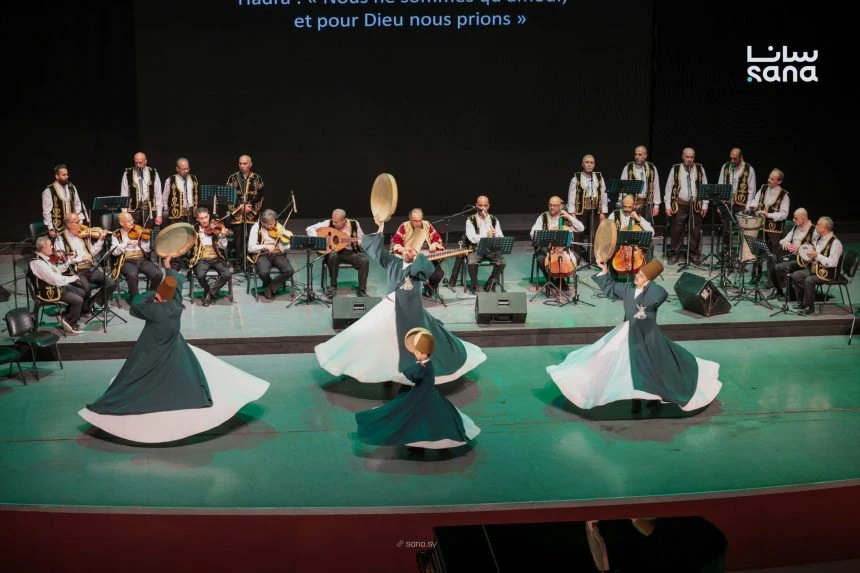
Titled “Syria: The First Symphony,” the concert on Monday paired works by German composer Ludwig van Beethoven with Andalusian muwashahat, traditional Arabic instrumental music and Sufi devotional performances, presenting what organizers described as a dialogue between European classical music and Arab artistic traditions.
Ancient musical heritage
Zerikly opened the evening with a Beethoven piano sonata before the ensemble performed “Sama’i Nahawand” by the late Iraqi-Syrian composer Ruhi Al-Khamash, followed by instrumental improvisations and selections of Andalusian muwashahat.
The program concluded with a Sufi whirling ensemble performing devotional chants and religious hymns.
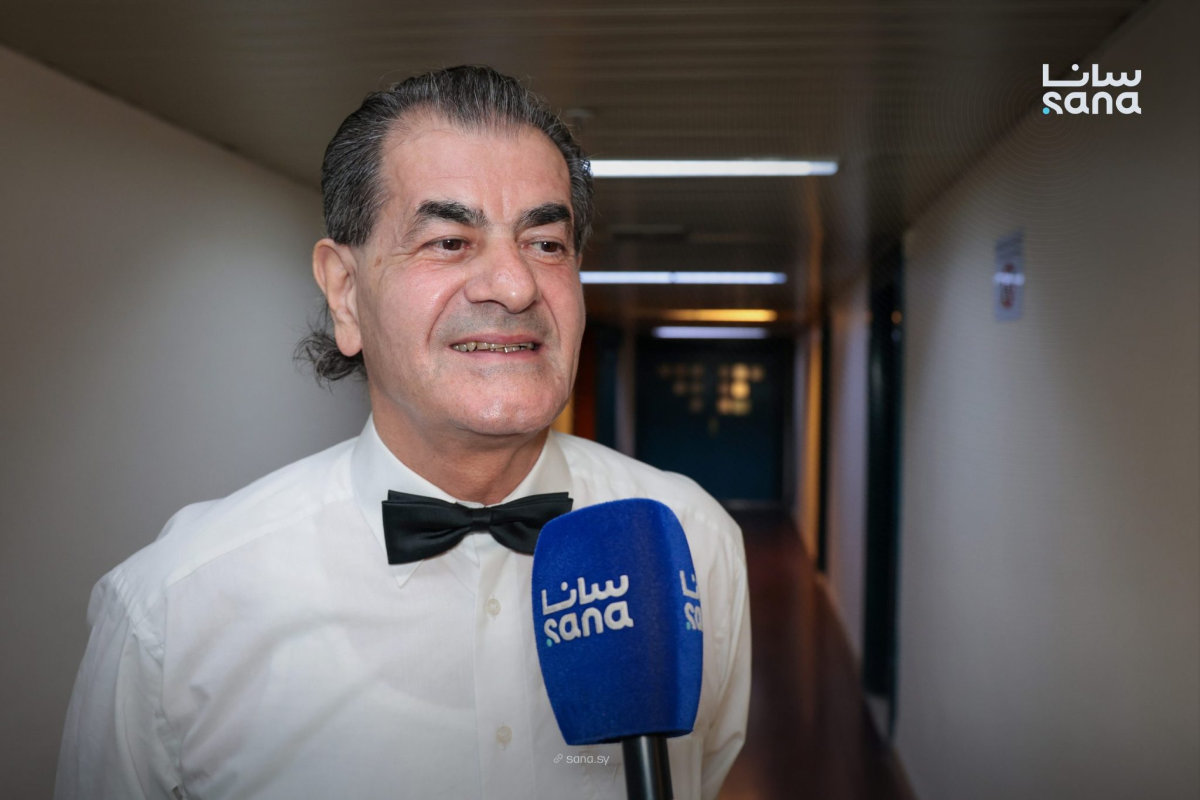
Speaking to SANA, Zerikly said the concert’s title reflects Syria’s historical connection to what is widely regarded as the world’s oldest known written musical notation, discovered at the ancient city of Ugarit on the Mediterranean coast.
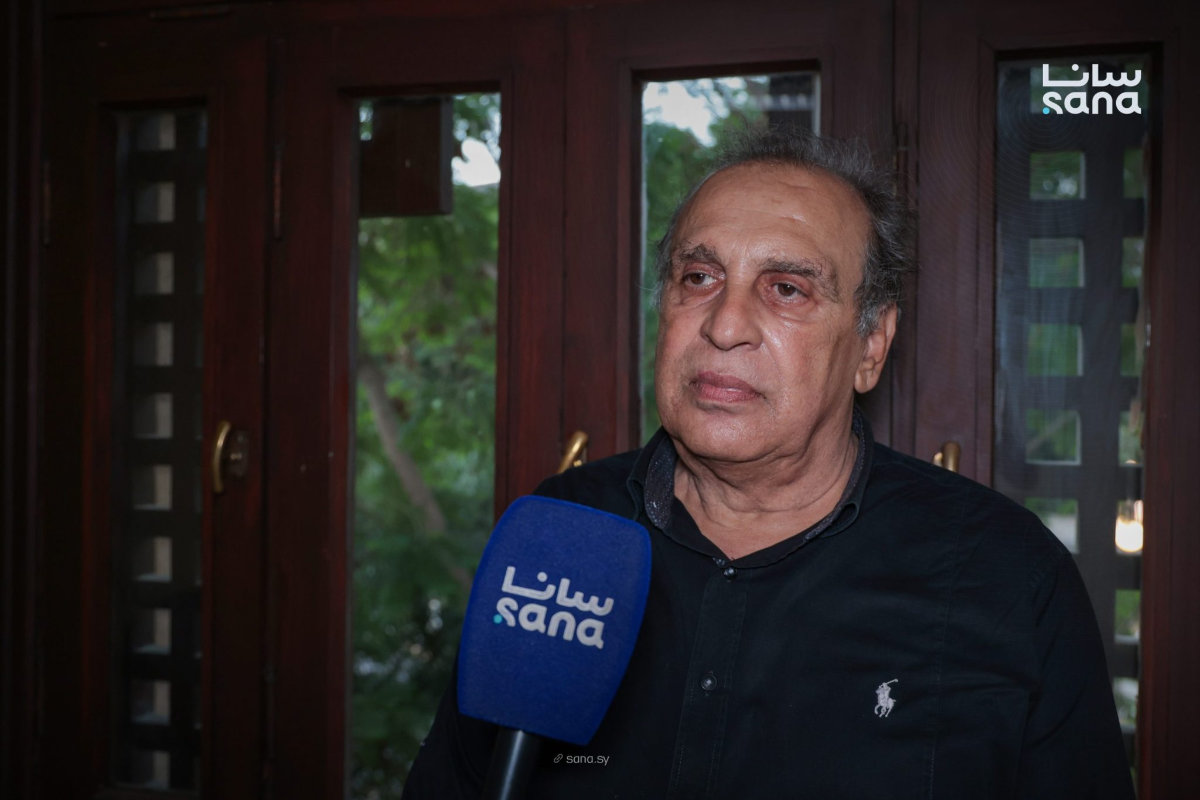
The so-called “Hurrian Hymn,” dating back more than 3,000 years, is considered one of the earliest surviving examples of recorded music.
He said the program was intended to highlight the artistic dialogue between European and Arabic classical traditions, including muwashahat and Sufi music.
Salah Qabbani, conductor of the Arab Music Ensemble for Heritage Revival, said the performances were designed to introduce younger audiences to traditional Arabic music while preserving an important part of Syria’s cultural identity.
He said exposure to both Western and Arabic musical traditions broadens artists’ creative horizons and strengthens cultural exchange.
Tradition known worldwide
For decades before the outbreak of Syria’s civil war, Damascus was internationally known for ensembles dedicated to preserving classical Arabic and Sufi music.
Among the best known was the Al-Kindi Ensemble, founded in 1983 by French-born musician Julien Jalal Eddine Weiss.
Working with singers from Damascus, including the late Sheikh Hamza Shakkur of the Umayyad Mosque and the city’s Mawlawi whirling dervishes, the ensemble gained worldwide recognition through international tours and acclaimed recordings that introduced Syrian Sufi music to audiences across Europe, North America and the Middle East.
Other respected groups included Ensemble Noureddine Khourshid and the Al-Kharrat Family Ensemble, both of which helped preserve Damascus’ longstanding traditions of devotional singing, Sufi ceremonies and classical Arabic music.
Conflict’s cultural toll
The civil war that erupted in 2011 dealt a severe blow to Syria’s cultural life, forcing many musicians into exile, restricting international travel and reducing opportunities for performances as violence spread across much of the country.
Many concert halls and cultural institutions suspended activities during the height of the conflict, while international festivals and overseas tours featuring Syrian ensembles largely came to a halt. The death of Al-Kindi founder Weiss in 2015 marked the end of an era for one of Syria’s best-known musical ambassadors.
Despite those setbacks, some ensembles continued performing in limited settings or later regrouped abroad, while others gradually resumed activities as security improved in parts of the country.
In recent years, cultural institutions in Damascus have increasingly sought to revive public concerts and heritage performances as part of broader efforts to restore Syria’s artistic life after more than a decade of conflict.
Zerikly, who was born in Damascus in 1954, has taught music in Damascus, Berlin and Cairo and has received awards in Syria, Lebanon and Algeria.
The Arab Music Ensemble for Heritage Revival specializes in preserving classical Arabic music through performances of muwashahat, classical poetry and traditional songs, reflecting a wider effort to safeguard Syria’s musical heritage for future generations.