

JEDDAH: Saudi Arabia’s National Center for Environmental Compliance announced a 145 percent increase in inspection rounds targeting high environmental impact activities during the Hajj season, compared with the previous season.
Ali Al-Ghamdi, CEO of center, said that this year’s monitoring and inspection relied on more than 200 satellite images, enhanced with artificial intelligence analysis and a team of specialists, to cover a wider area around the Two Holy Mosques and the holy sites.
The center responded to over 100 environmental reports, half of which were detected via satellite imagery, he said. This enabled inspection teams to be directed more accurately and efficiently. Laboratory analysis of samples was also expanded to more than 2,300 tests across the two holy cities.
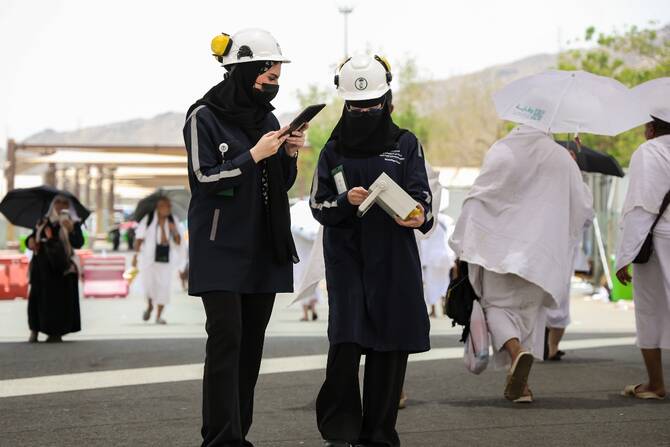
Al-Ghamdi said that the center conducted over 1,800 inspection rounds during the season, which identified around 250 cases of noncompliance. Of these, 95 percent were related to organizational and administrative aspects, while technical environmental violations with significant impact did not exceed 5 percent.
Regulatory measures were taken in coordination with relevant authorities to address environmental impacts and rehabilitate affected sites.
He added that nine air quality monitoring stations were operational around pilgrim congregation areas.
For the first time, the center implemented a 24-hour pollution forecasting program, allowing inspectors to identify emission sources and prevent pollution from worsening.
The center also expanded noise monitoring in Makkah and the holy sites by operating six fixed stations, in addition to portable devices carried daily by inspectors to measure noise levels between camps, at the holy sites, on roads, and in tunnels leading to the Grand Mosque.
According to the center, measurement data showed no readings exceeded permissible limits during the season.
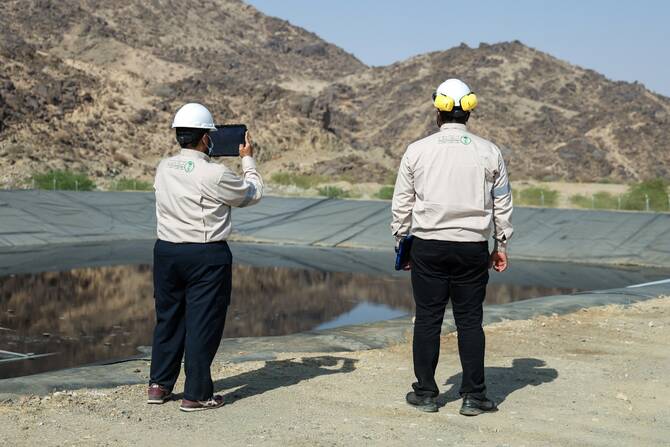
On waste management, Al-Ghamdi said that the center closely monitored the safe disposal of solid and liquid waste from sacrificial animal slaughter in slaughterhouses in Makkah, the holy sites, and Madinah. Reports were compiled on procedures and the safety of surrounding environmental media.
He added that the center will continue using satellite imagery to monitor all identified sites, and will conduct more than 1,800 analyzes of soil and water after pilgrims depart to ensure the sustainability of environmental media and preserve their natural properties for the future.