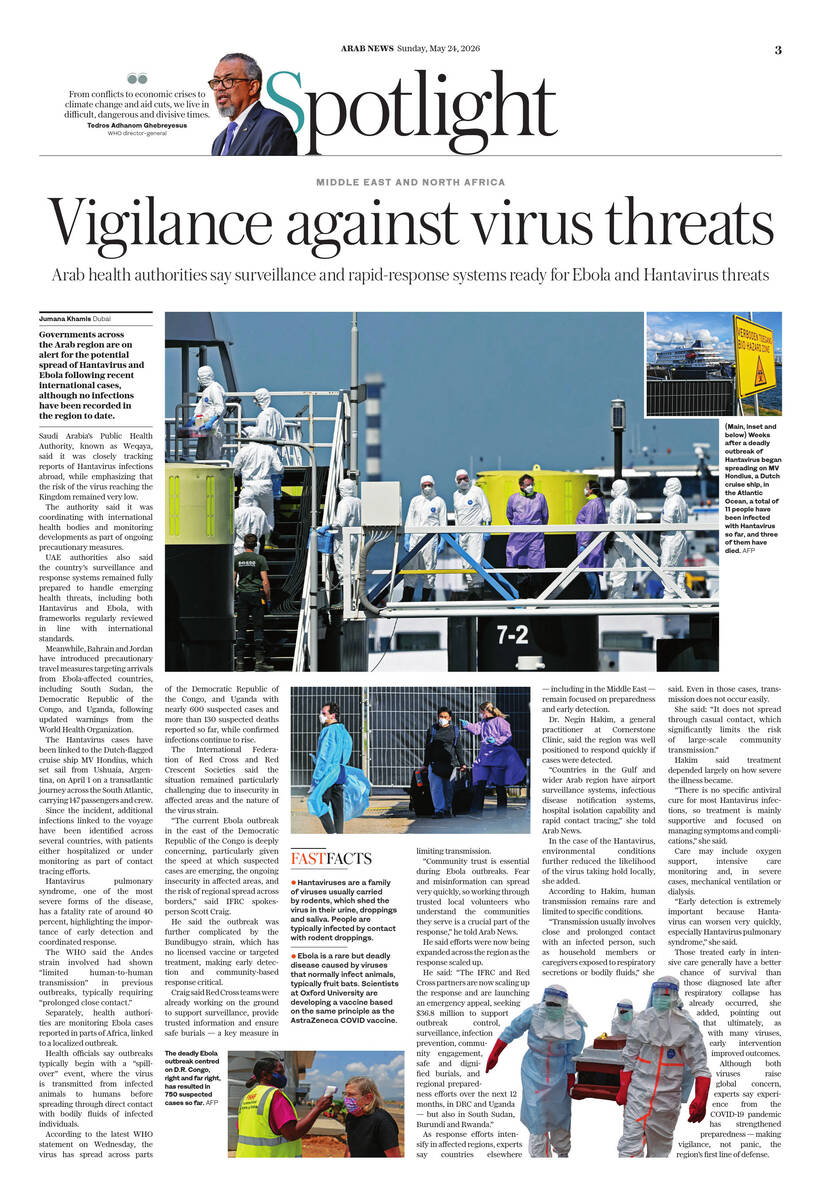
- Arab governments step up surveillance and preparedness measures as twin emerging health threats trigger global concern
- Health experts say Gulf states remain well equipped to detect and contain dangerous infectious disease outbreaks rapidly
DUBAI: Governments across the Arab region are on alert for the potential spread of hantavirus and Ebola following recent international cases, although no infections have been recorded in the region to date.
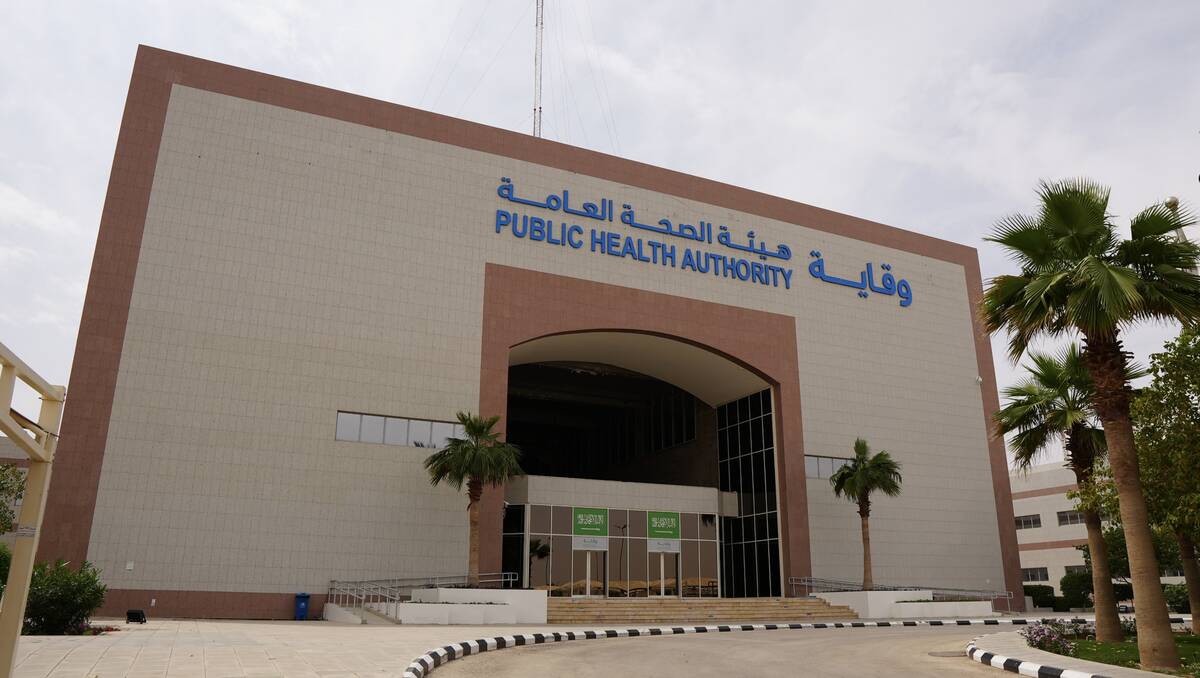
Saudi Arabia’s Public Health Authority, known as Weqaya, said it was closely tracking reports of hantavirus infections abroad, while emphasizing that the risk of the virus reaching the Kingdom remained very low.
The authority said it was coordinating with international health bodies and monitoring developments as part of ongoing precautionary measures.
UAE authorities also said the country’s surveillance and response systems remained fully prepared to handle emerging health threats, including both hantavirus and Ebola, with frameworks regularly reviewed in line with international standards.
Meanwhile, Bahrain and Jordan have introduced precautionary travel measures targeting arrivals from Ebola-affected countries, including South Sudan, the Democratic Republic of the Congo, and Uganda, following updated warnings from the World Health Organization.
The hantavirus cases have been linked to the Dutch-flagged cruise ship MV Hondius, which set sail from Ushuaia, Argentina, on April 1 on a transatlantic journey across the South Atlantic, carrying 147 passengers and crew.

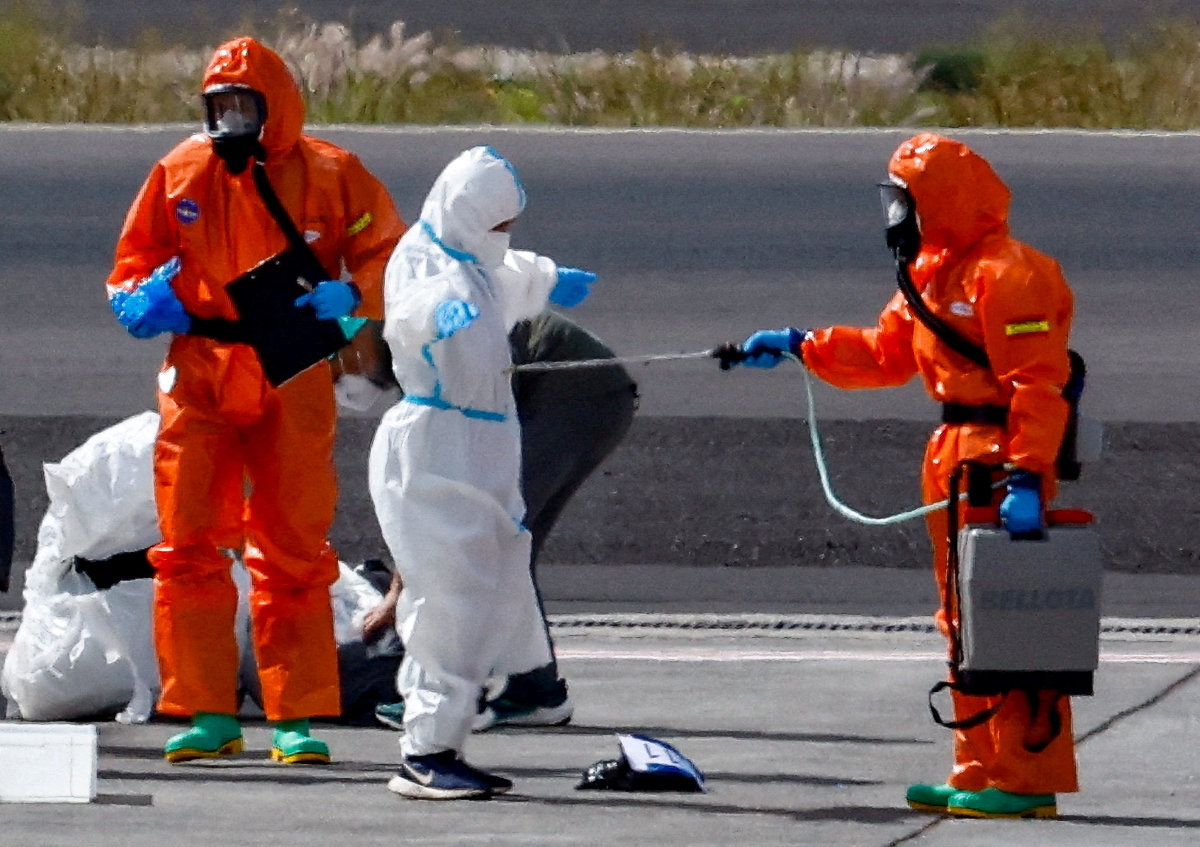
The incident drew international attention due to the rareness of the Andes strain, which has been associated in limited instances with human-to-human transmission.
Health authorities believe the outbreak may have started with a passenger who had recently traveled through parts of southern Chile and Argentina before boarding.
The man developed symptoms including fever and fatigue several days into the voyage and later died onboard. His wife, who also fell ill, was evacuated and died shortly after.
Since the incident, additional infections linked to the voyage have been identified across several countries, with patients either hospitalized or under monitoring as part of contact tracing efforts.
The ship reached its final port this week, marking the start of a critical monitoring period for passengers, many of whom are now entering the window in which symptoms are most likely to appear, according to infectious disease experts.
The vessel was carrying travelers from around two dozen countries, placing multiple health authorities on alert, with responses varying across jurisdictions.
Hantavirus pulmonary syndrome, one of the most severe forms of the disease, has a fatality rate of around 40 percent, highlighting the importance of early detection and coordinated response.
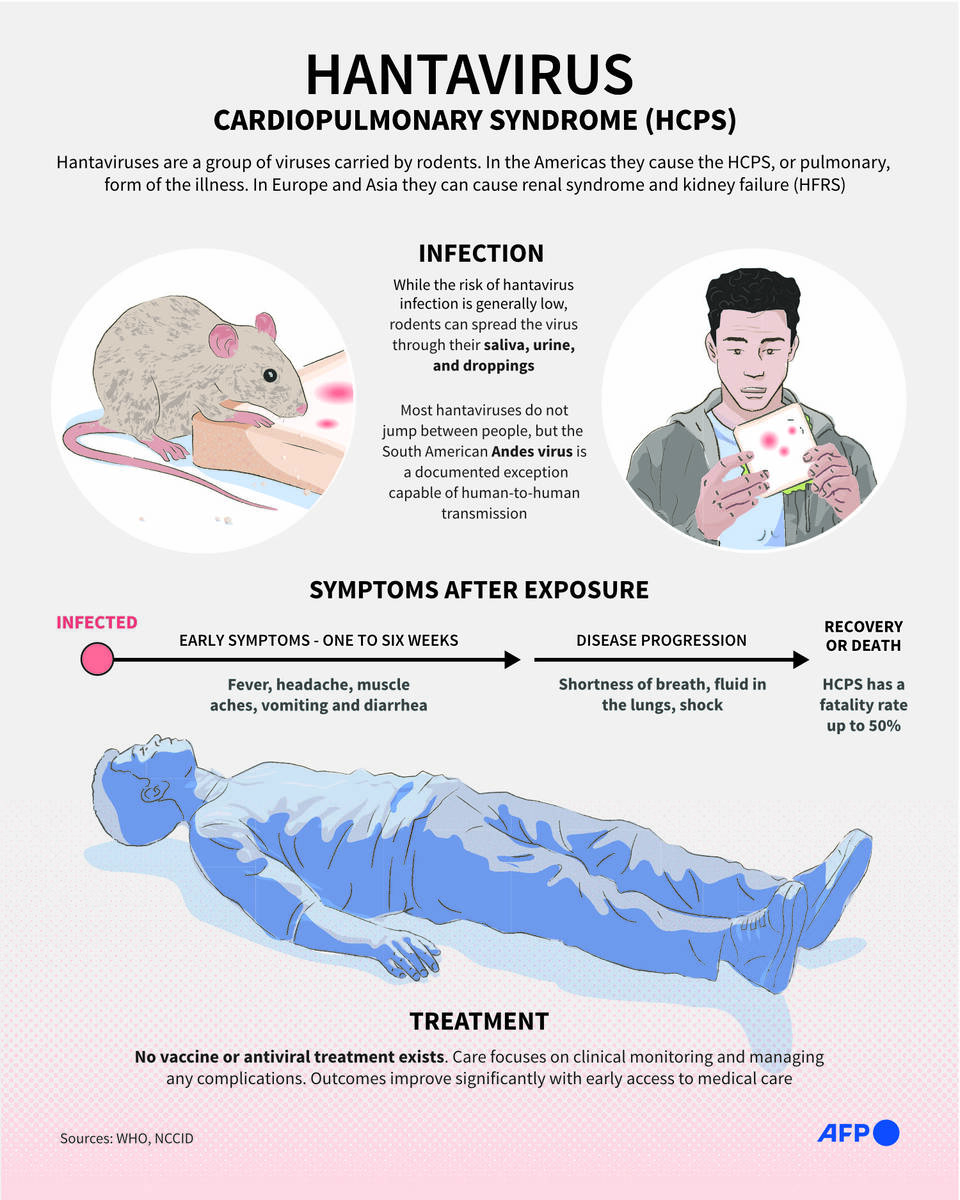
The WHO said the Andes strain involved had shown “limited human-to-human transmission” in previous outbreaks, typically requiring “prolonged close contact.”
It added that “the overall public health risk remains low,” while urging countries to maintain surveillance and preparedness measures.
Separately, health authorities are monitoring Ebola cases reported in parts of Africa, linked to a localized outbreak.
Health officials say outbreaks typically begin with a “spillover” event, where the virus is transmitted from infected animals to humans before spreading through direct contact with bodily fluids of infected individuals.
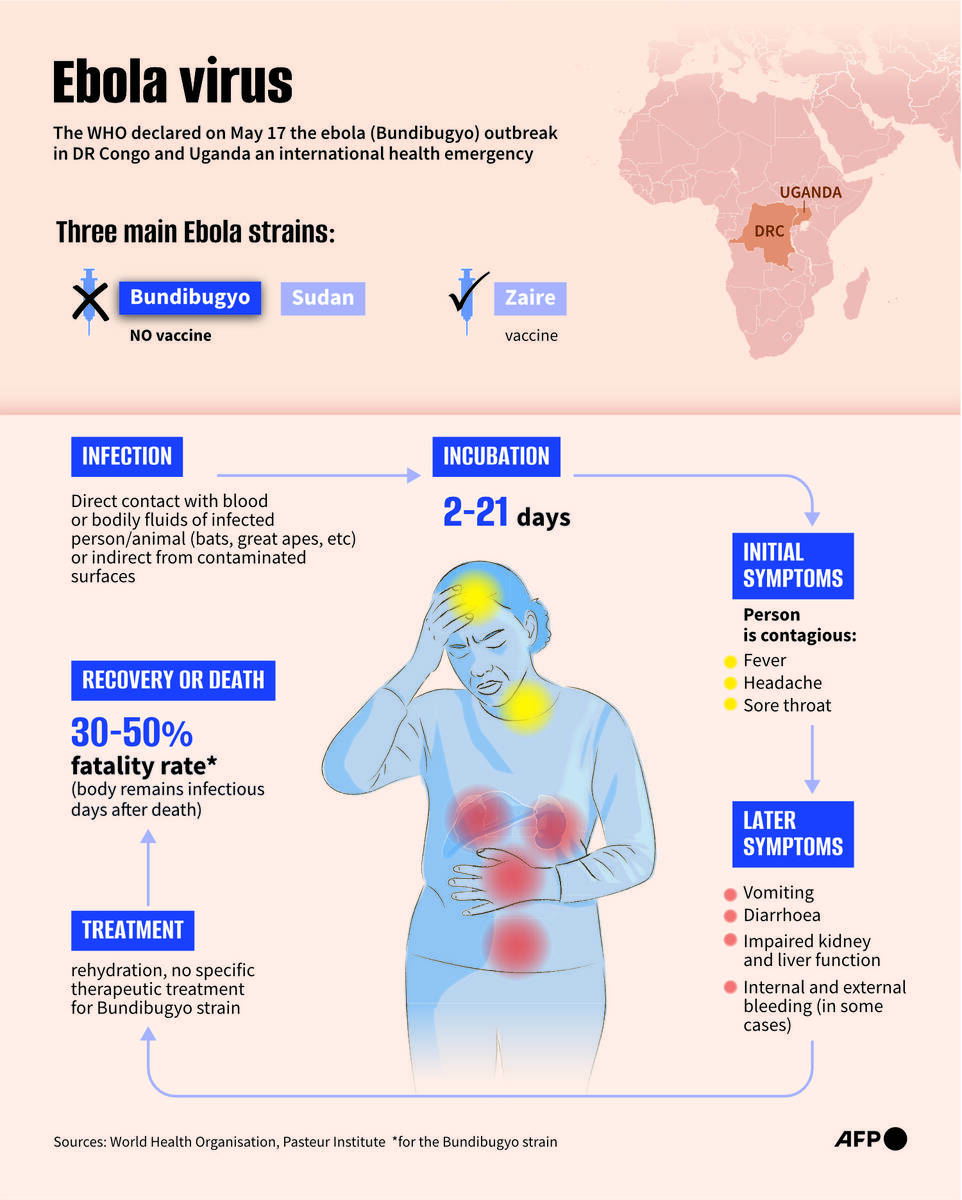
According to the latest WHO statement on Wednesday, the virus has spread across parts of the Democratic Republic of the Congo, and Uganda with nearly 600 suspected cases and more than 130 suspected deaths reported so far, while confirmed infections continue to rise.
Tedros Adhanom Ghebreyesus, the WHO’s director general, said he was “deeply concerned about the scale and speed of the epidemic,” particularly as cases had been detected in densely populated and conflict-affected areas where containment was more challenging.
While the organization did not issue region-specific guidance for the Middle East, it stated that the risk of wider international transmission remained low, but stressed that strong surveillance, contact tracing and cross-border coordination were essential to prevent further spread.
The International Federation of Red Cross and Red Crescent Societies said the situation remained particularly challenging due to insecurity in affected areas and the nature of the virus strain.
“The current Ebola outbreak in the east of the Democratic Republic of the Congo is deeply concerning, particularly given the speed at which suspected cases are emerging, the ongoing insecurity in affected areas, and the risk of regional spread across borders,” said IFRC spokesperson Scott Craig.
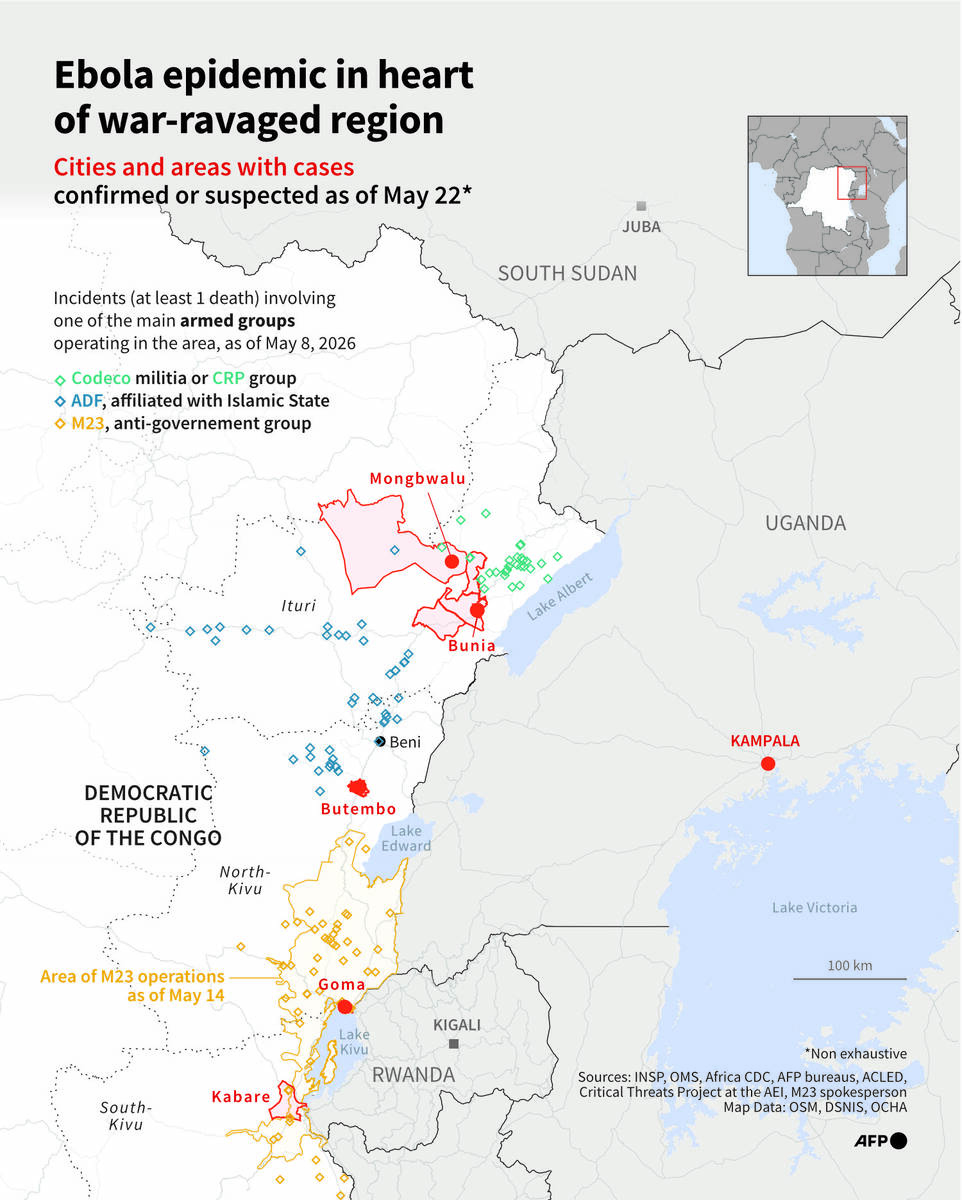
He said the outbreak was further complicated by the Bundibugyo strain, which has no licensed vaccine or targeted treatment, making early detection and community-based response critical.
Craig said Red Cross teams were already working on the ground to support surveillance, provide trusted information and ensure safe burials — a key measure in limiting transmission.
Volunteers have been deployed in affected areas to carry out community outreach, including door-to-door awareness campaigns to counter misinformation and encourage early treatment, while public messaging is also being reinforced through local radio.
Families are being advised to avoid contact with the bodies of suspected victims, one of the most common routes of transmission during Ebola outbreaks, with hundreds of households already reached through initial response efforts.
“Community trust is essential during Ebola outbreaks. Fear and misinformation can spread very quickly, so working through trusted local volunteers who understand the communities they serve is a crucial part of the response,” he told Arab News.
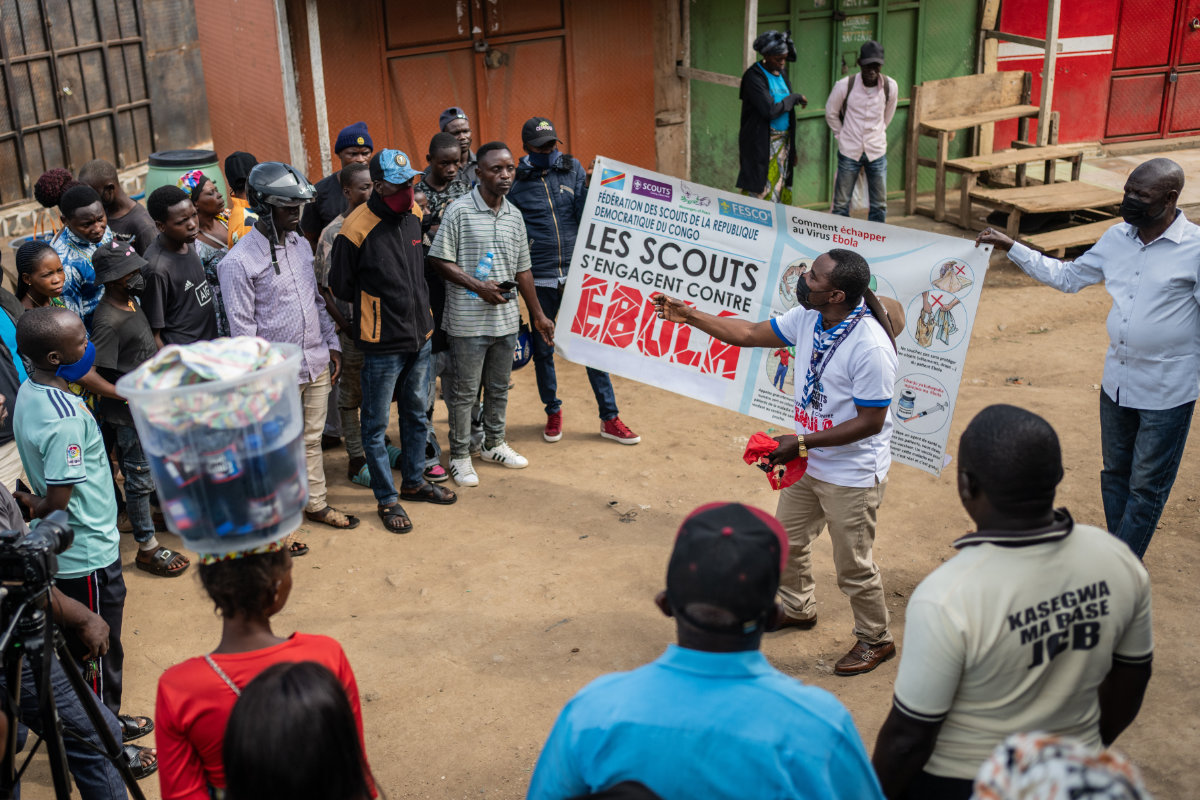
He said efforts were now being expanded across the region as the response scaled up.
He said: “The IFRC and Red Cross partners are now scaling up the response and are launching an emergency appeal, seeking $36.8 million to support outbreak control, surveillance, infection prevention, community engagement, safe and dignified burials, and regional preparedness efforts over the next 12 months, in DRC and Uganda — but also in South Sudan, Burundi and Rwanda.”
As response efforts intensify in affected regions, experts say countries elsewhere — including in the Middle East — remain focused on preparedness and early detection.
Dr. Negin Hakim, a general practitioner at Cornerstone Clinic, said the region was well positioned to respond quickly if cases were detected.
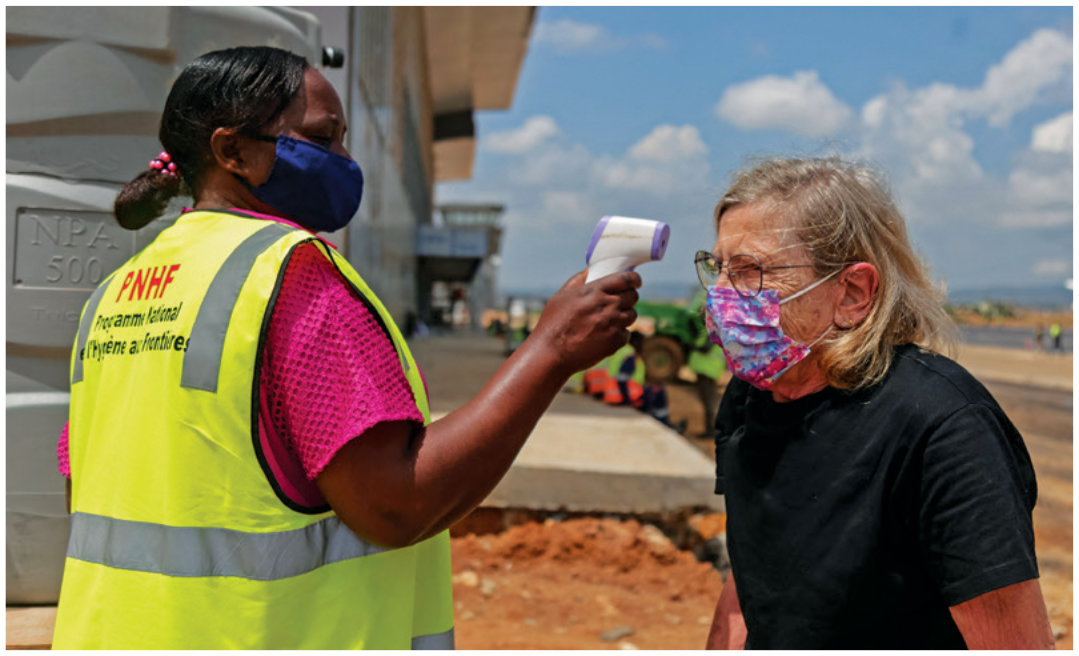
“Countries in the Gulf and wider Arab region have airport surveillance systems, infectious disease notification systems, hospital isolation capability and rapid contact tracing,” she told Arab News.
In the case of the hantavirus, environmental conditions further reduced the likelihood of the virus taking hold locally, she added.
“The main rodent carriers for the Andes strain are native to parts of South America, not the Middle East,” she said.
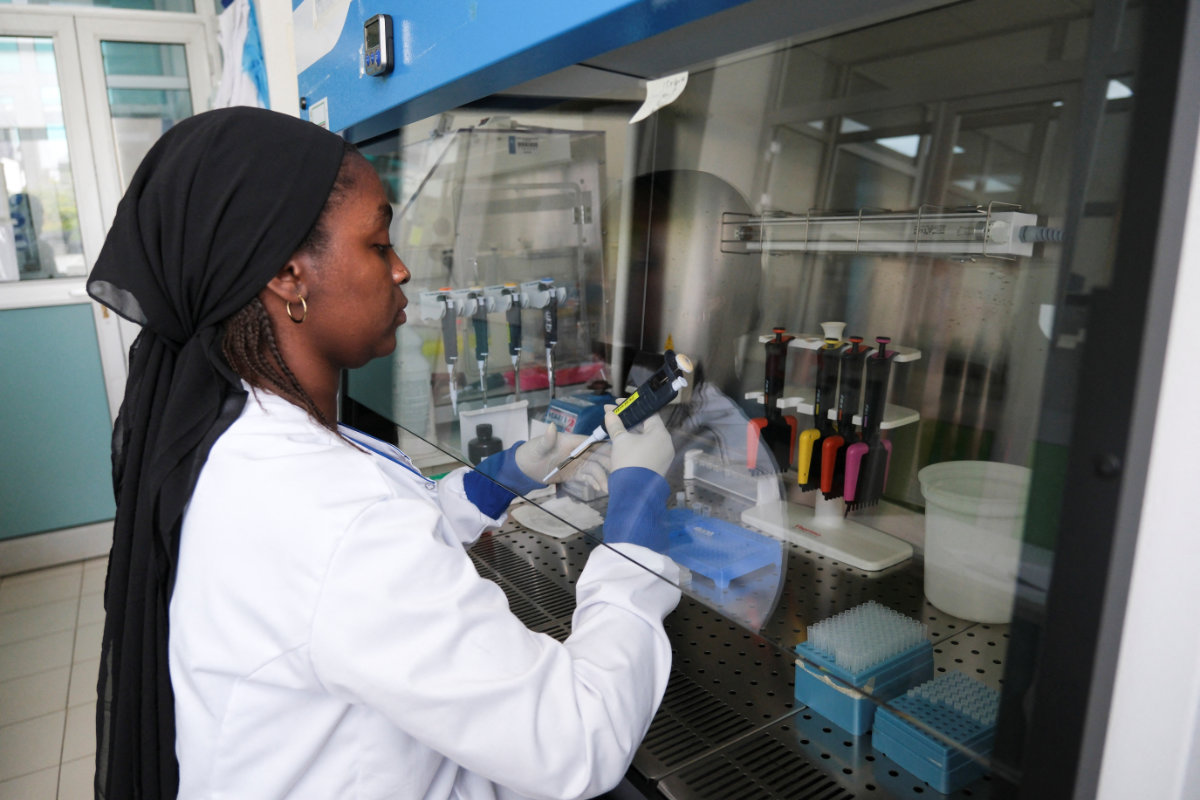
The virus “is typically transmitted through contact with infected rodents, especially by breathing in airborne particles from rodent urine, droppings or saliva,” Hakim added.
She said human transmission remains rare and limited to specific conditions.
“Transmission usually involves close and prolonged contact with an infected person, such as household members or caregivers exposed to respiratory secretions or bodily fluids,” she said.
Even in those cases, transmission does not occur easily.
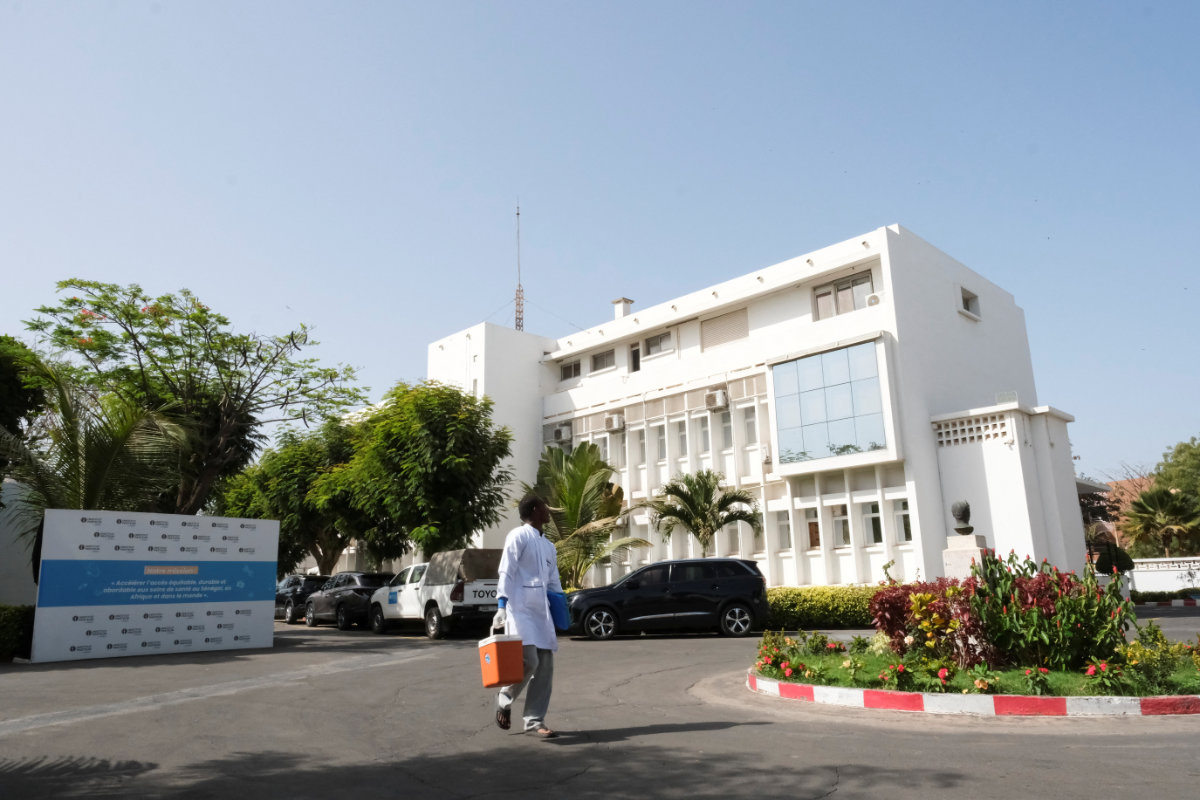
A person walks on the campus of Institut Pasteur in Dakar, Senegal, on May 19, 2026. (Reuters/File Photo)
She said: “It does not spread through casual contact, which significantly limits the risk of large-scale community transmission.”
Hakim said treatment depended largely on how severe the illness became.
“There is no specific antiviral cure for most hantavirus infections, so treatment is mainly supportive and focused on managing symptoms and complications,” she said.
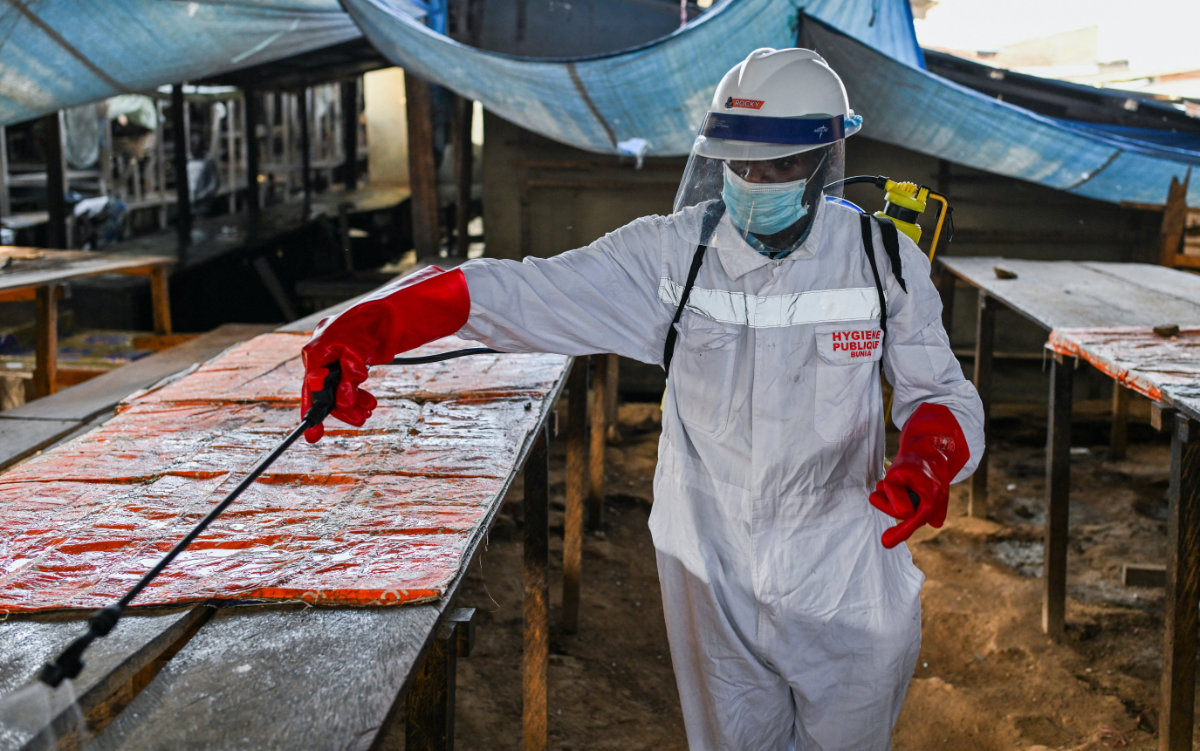
Care may include oxygen support, intensive care monitoring and, in severe cases, mechanical ventilation or dialysis.
“Early detection is extremely important because hantavirus can worsen very quickly, especially hantavirus pulmonary syndrome,” she said.
Those treated early in intensive care generally have a better chance of survival than those diagnosed late after respiratory collapse has already occurred, she added, pointing out that ultimately, as with many viruses, early intervention improved outcomes.
Although both viruses raise global concern, experts say experience from the COVID-19 pandemic has strengthened preparedness — making vigilance, not panic, the region’s first line of defense.