- Army chief Asim Munir held over 24 hours of talks with Iran’s top leadership in Tehran
- Rubio says Tehran could accept a deal within days as mediation efforts intensify
ISLAMABAD: Pakistan’s military said on Saturday army chief Field Marshal Asim Munir’s talks in Tehran had produced progress toward a “final understanding” in efforts to mediate the US-Iran conflict, as Washington signaled a possible breakthrough in negotiations within days.
Munir concluded what Pakistan’s military described as a “short but highly productive” visit to Iran after more than 24 hours of talks with President Masoud Pezeshkian, Parliament Speaker Mohammad-Bagher Ghalibaf, Foreign Minister Abbas Araghchi and Interior Minister Eskandar Momeni amid renewed diplomatic efforts to prevent the conflict from escalating again.
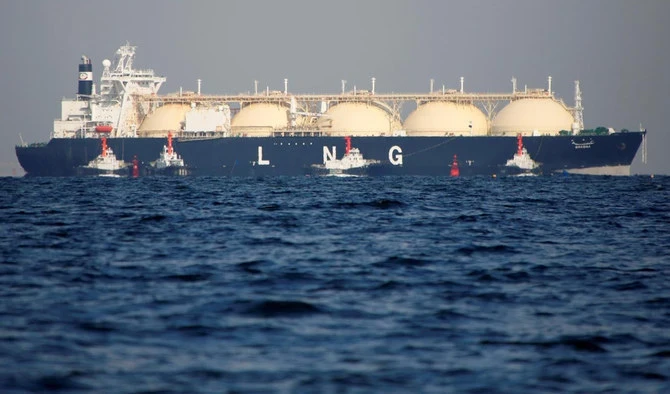
The war, triggered by joint US-Israeli strikes on Iran in late February, has remained paused under a fragile ceasefire since April 8. But tensions have continued around the Strait of Hormuz, while negotiations over Iran’s nuclear program, sanctions relief and maritime access remain deadlocked.
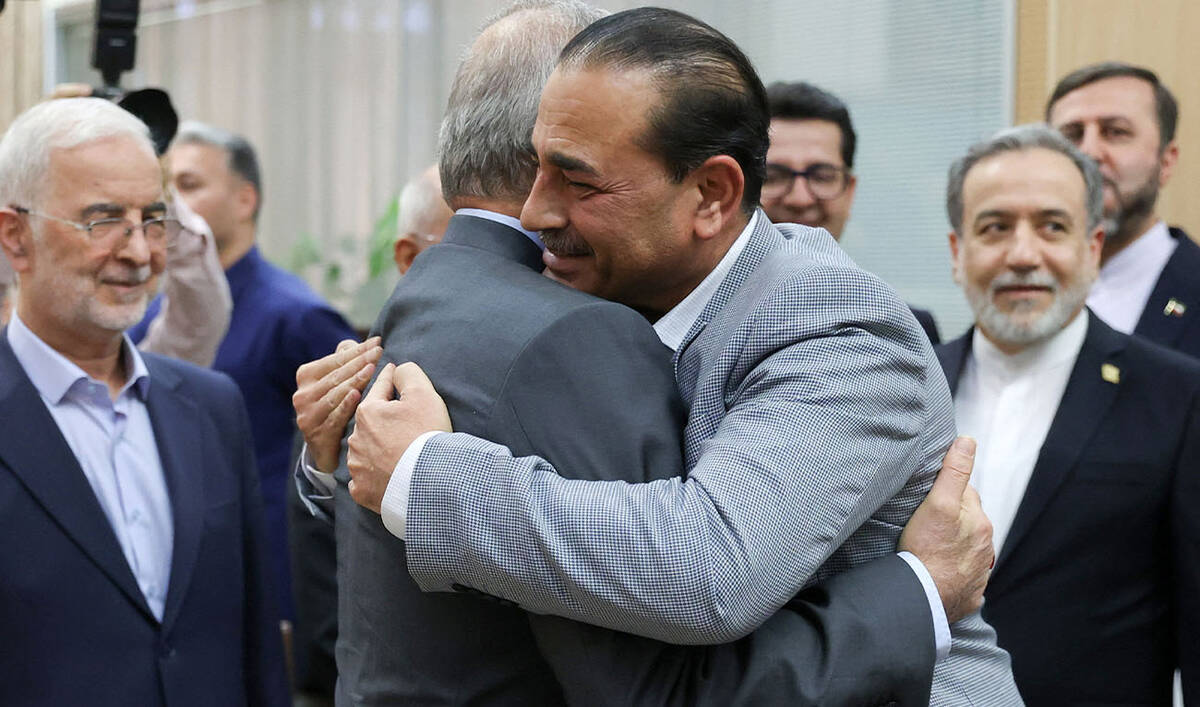
In a statement released after Munir’s departure from Tehran, Pakistan’s military said the visit focused on accelerating diplomacy aimed at reaching a broader settlement.
“The discussions remained focused upon expediting the consultative process underway to support peace and stability in the region and to reach to a conclusive agreement,” the military’s media wing, Inter-Services Public Relations (ISPR), said.
“The intensive negotiations over the last twenty four hours have resulted in encouraging progress toward a final understanding,” it added.
The ISPR said the engagements had contributed “meaningfully” to ongoing mediation efforts and were held in a “positive and constructive environment.”
Iranian officials also publicly praised Pakistan’s role in facilitating dialogue between Tehran and Washington.
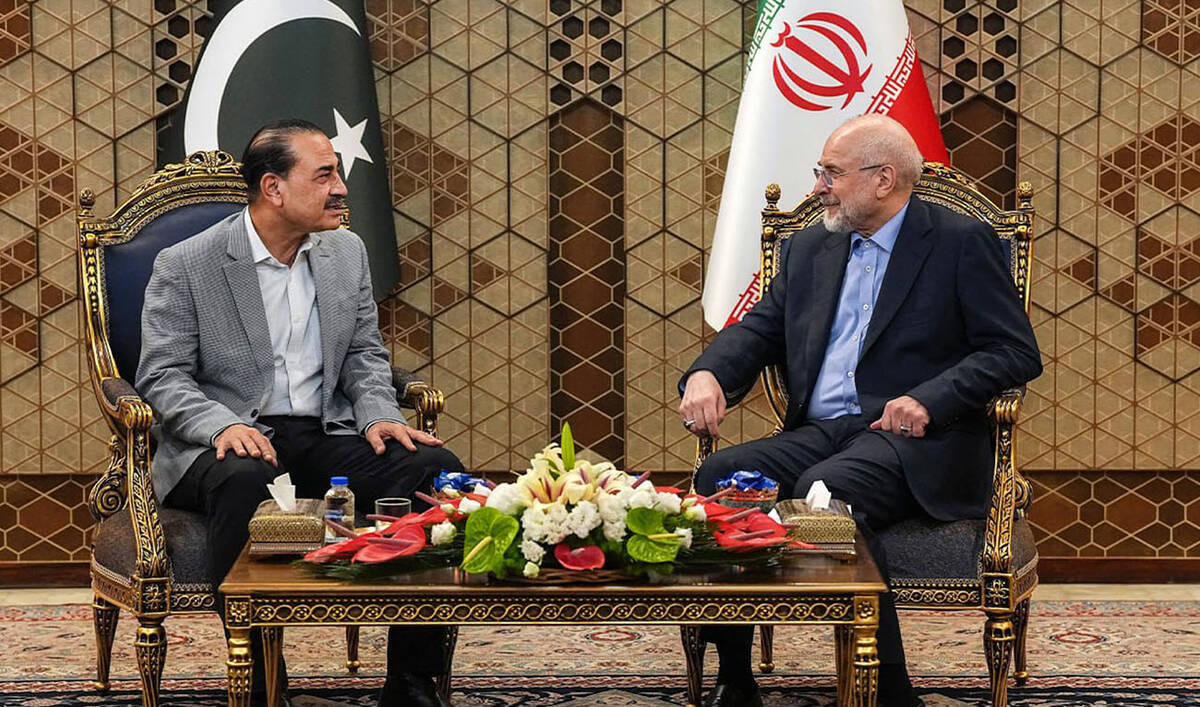
During talks with Munir, Ghalibaf warned that Iran had strengthened its military capabilities during the ceasefire period and would respond forcefully if the conflict resumed, according to Iranian state media.
Iranian media also quoted the parliamentary speaker as saying Tehran would not compromise on its “national rights” in negotiations with Washington and accused the United States of acting dishonestly during talks.
In comments published by Iran’s state-run IRNA news agency, Munir praised Iran’s leadership and conveyed goodwill messages from Pakistan’s civilian leadership.
“I am happy that we are at a time when Iran is governed by intelligent people who have high vision,” IRNA quoted Munir as telling Ghalibaf.
The developments came as US Secretary of State Marco Rubio said there were signs of movement in negotiations and suggested a deal could emerge soon.
“There might be some news a little later today,” Rubio told reporters during a visit to New Delhi on Saturday.
“There’s been some progress done, some progress made. Even as I speak to you now, there’s some work being done,” he added, saying there was “a chance” Tehran could accept a deal within days.
Pakistan has increasingly emerged as a key intermediary in the crisis, maintaining contacts with Tehran and Washington while also coordinating closely with China, Oman and other allies in efforts to secure a longer-term settlement.
Prime Minister Shehbaz Sharif is currently in China, where the US-Iran crisis is also expected to feature prominently in talks with Chinese leaders.