- Pakistan’s finance minister, virtual assets chief discuss implementation routes, regulatory framework for digital assets
- The country is exploring digital assets and financial innovation to allow the use of cryptocurrencies, blockchain technology
KARACHI: Pakistan is exploring the tokenization of sovereign bonds and Naya Pakistan Certificates (NPCs) to modernize capital markets through blockchain-based financial infrastructure, the Pakistani finance ministry said on Monday, in one of the first high-level government discussions in this regard.
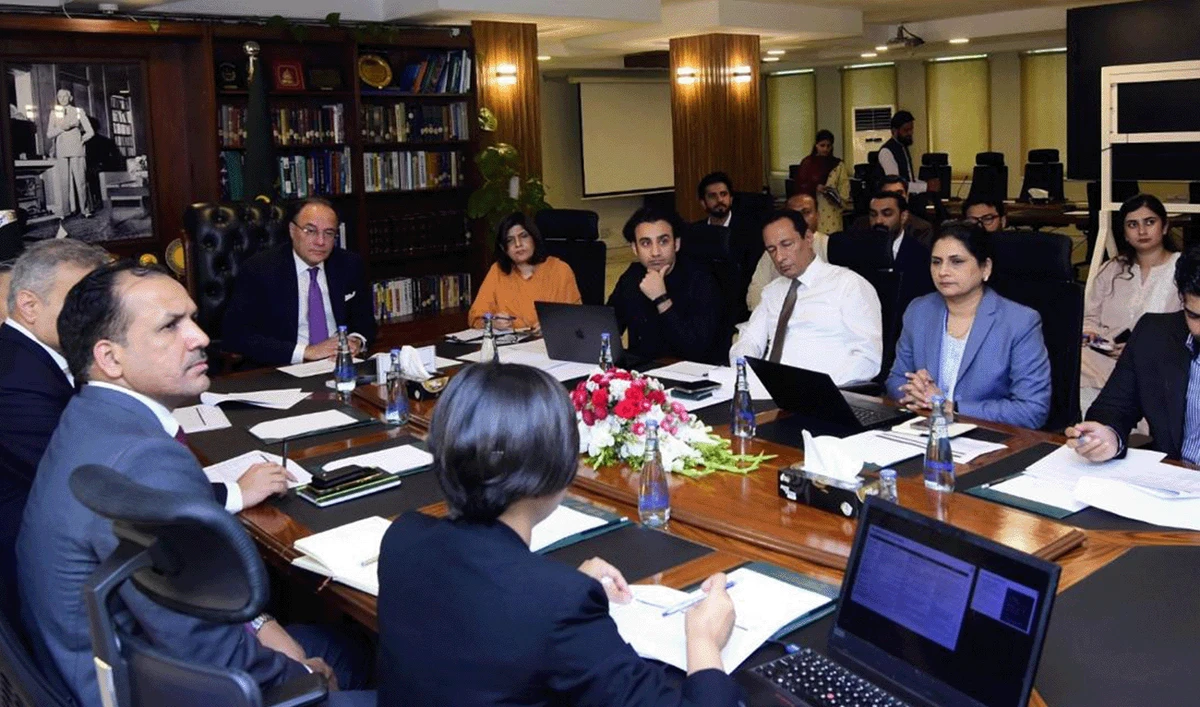
The statement came after Finance Minister Muhammad Aurangzeb and Pakistan Virtual Assets Regulatory Authority (PVARA) Chairman Bilal bin Saqib held talks on potential structures, implementation pathways, regulatory considerations, and next steps for introducing tokenized sovereign instruments into Pakistan’s financial system.
Tokenization of sovereign bonds refers to converting traditional government-issued debt into digital tokens recorded on a blockchain, allowing them to be issued, traded and held electronically in fractional or whole units. Sovereign bonds are debt securities issued by national governments to raise capital from investors.
A key motivation behind the initiative is to expand investor participation, improve accessibility for overseas Pakistanis, and integrate Pakistan’s debt markets with emerging digital financial infrastructure, according to the country’s finance ministry.
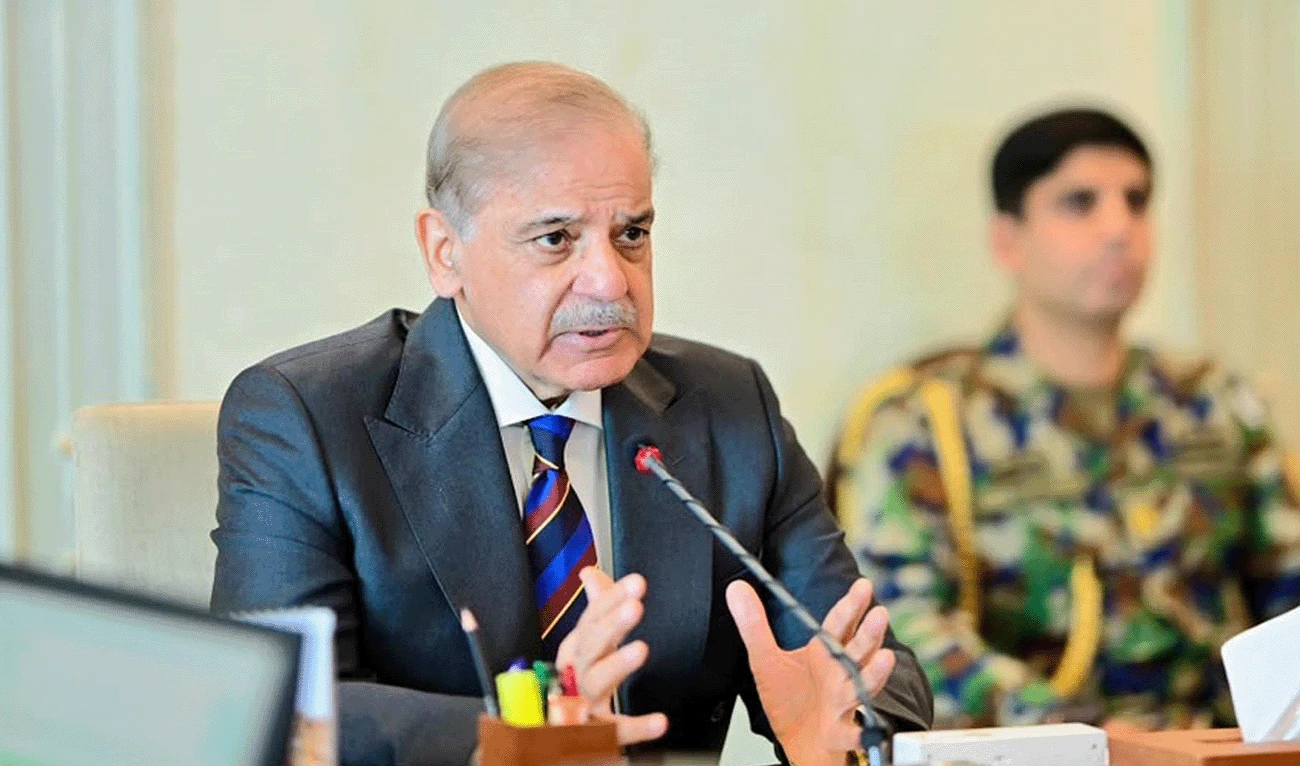
“Discussions around tokenized sovereign instruments represent an important exploratory step toward understanding how emerging infrastructure can support the future evolution of Pakistan’s capital markets,” Aurangzeb was quoted as saying by his ministry.
“Pakistan remains committed to exploring forward-looking financial technologies that can support economic modernization, deepen investor participation, and strengthen financial accessibility.”
NPCs are foreign currency–denominated investment instruments issued by Pakistan’s central bank on behalf of the government, primarily targeting overseas Pakistanis and foreign-currency savers seeking government-backed returns.
The finance ministry said discussions at Monday’s meeting included international precedents for sovereign and quasi-sovereign debt tokenization, and how Pakistan could adopt frameworks aligned with global market infrastructure standards.
Quasi-sovereign debt tokenization refers to converting debt issued by government-linked entities such as state-owned enterprises, development banks, or public-sector corporations into blockchain-based digital tokens.
The two officials also discussed a “Digital Native Note” model, under which sovereign bonds would be issued directly on a regulated blockchain platform at the time of issuance and later integrated with conventional international clearing and settlement systems, according to the finance ministry.
Tokenizing NPCs could broaden retail participation and create more seamless digital investment channels for overseas Pakistanis.
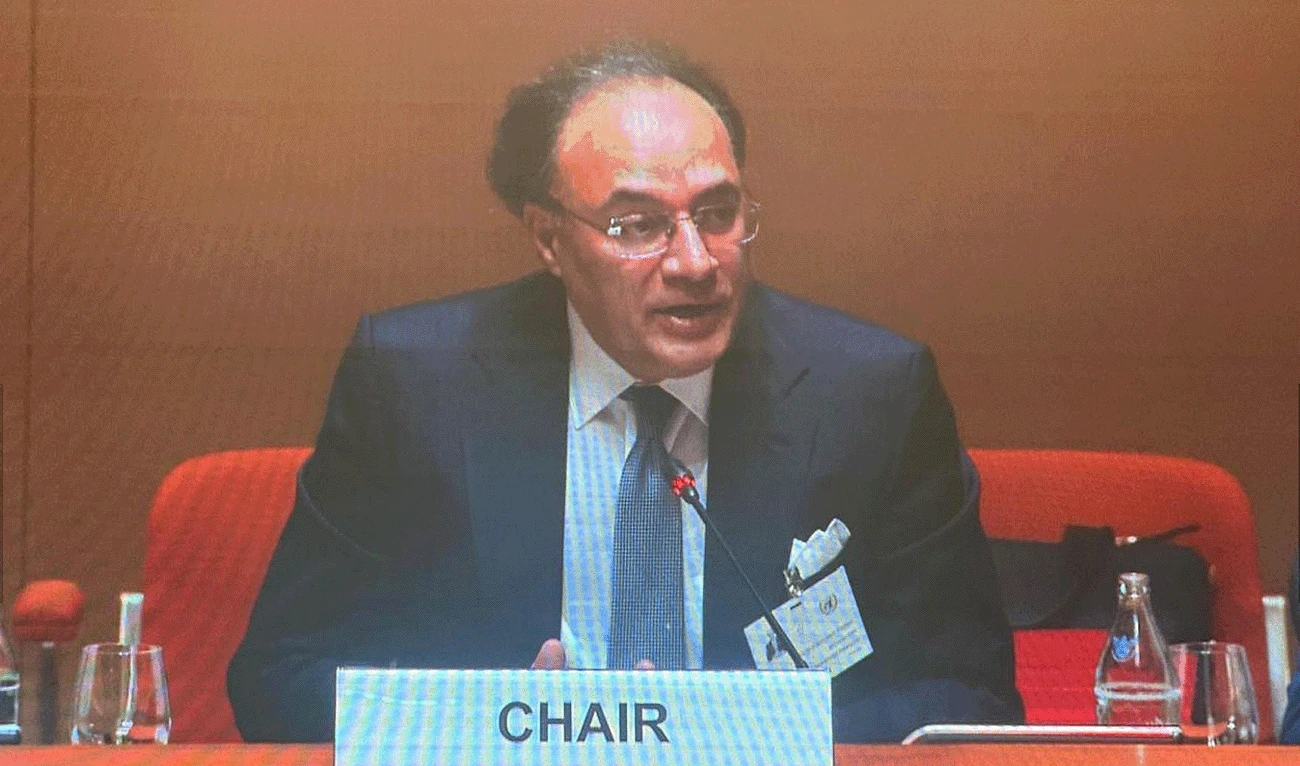
PVARA Chairman Saqib said the discussions focused on reimagining capital formation and investor access through digital infrastructure.
“Tokenization of these products can make them more accessible to overseas Pakistanis and global retail investors, while enabling more efficient, transparent, and globally connected financial infrastructure for Pakistan,” he was quoted as saying.
Pakistan has in recent months intensified discussions on digital assets and financial innovation, including efforts to develop regulatory frameworks for cryptocurrencies, blockchain applications, and tokenized financial products.
In January, the finance ministry said it had planned to tokenize up to $2 billion in domestic government debt in an initial phase, as part of broader efforts to modernize public debt markets and broaden investor participation.