

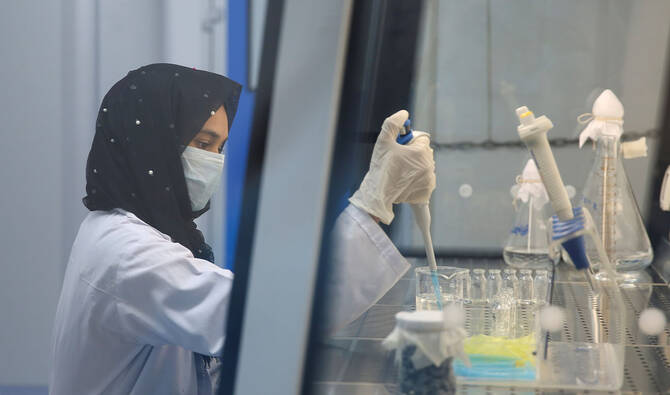

ISLAMABAD: Pakistan’s Central Drugs Laboratory (CDL) in Karachi has received World Health Organization (WHO) prequalification, the information ministry said on Wednesday in a development officials say will strengthen the country’s pharmaceutical testing system and boost confidence in Pakistan-made medicines.
The achievement comes as Pakistan’s pharmaceutical sector seeks greater international credibility and export access and the country pushes to modernize regulation and improve oversight of medicine quality.
WHO prequalification is regarded as an important international benchmark for quality assurance and regulatory compliance in pharmaceutical testing and procurement systems.
The laboratory, which operates under Pakistan’s Drug Regulatory Authority (DRAP), is responsible for testing medicines and therapeutic goods to ensure they meet safety and quality standards.
“By achieving this international validation, we are not only safeguarding public health but also empowering our pharmaceutical industry to compete globally,” Health Minister Syed Mustafa Kamal said in a statement released by the information ministry.
The ministry said the certification confirms that testing services at the Karachi laboratory meet WHO standards for ensuring medicines are safe, effective and of high quality.
Pakistan’s pharmaceutical industry supplies medicines domestically and exports to multiple countries, but regulators and health care experts have long stressed the need for stronger oversight to combat substandard and falsified medicines.
The ministry said the WHO recognition would help build confidence among health care providers, patients and international stakeholders in the integrity of medicines tested in Pakistan.
Officials also said the government would continue supporting broader reforms aimed at strengthening Pakistan’s national regulatory framework and aligning it more closely with international standards.


