


ISLAMABAD: Pakistan has trained more than 1,100 Hajj support staff under a new “zero-defect” service model ahead of this year’s pilgrimage, state media reported on Friday, as authorities step up preparations for one of the world’s largest annual religious gatherings.
The report comes as Pakistan prepares to send over 179,000 pilgrims to Saudi Arabia, with the first Hajj flight scheduled to depart on April 18.
The annual Hajj pilgrimage, which draws millions of Muslims from across the world to the holy cities of Makkah and Madinah, requires extensive logistical planning, coordination and on-ground support to manage crowds, transport and accommodation.
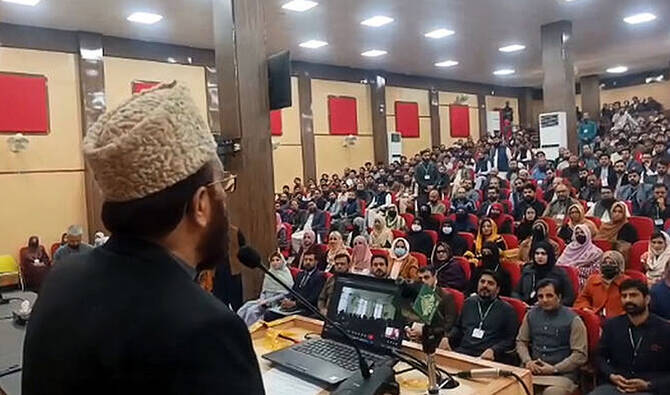
The Associated Press of Pakistan (APP) said the Ministry of Religious Affairs had conducted a multi-phase training program for 1,152 pilgrim support staff to improve service delivery through digital monitoring and specialized operational skills.
“The service to pilgrims must take precedence over personal voluntary prayers,” APP quoted Zulfiqar Khan, the ministry official responsible for supervising the pilgrim support staff, as saying.
Khan warned the participants of the training about a “zero-tolerance” policy regarding professional misconduct or negligence of duties, adding that violators could face immediate repatriation, forfeiture of allowances and permanent blacklisting from future Hajj duties.
APP said the training included modules on pilgrim induction, transport logistics, crowd movement between key ritual sites and the use of a digital complaint management system for real-time grievance redressal.
Authorities have also made GPS-based tracking and prescribed uniforms mandatory for staff to monitor field movement and ensure accountability during the pilgrimage.
The initiative is part of Pakistan’s broader efforts to modernize Hajj operations and improve services for pilgrims, including the expansion of Saudi Arabia’s Makkah Route Initiative to Lahore this year, which allows travelers to complete immigration procedures before departure.


