- “Artificial Intelligence Media: Opportunities and Challenges” will bring together many of the sector’s leading lights
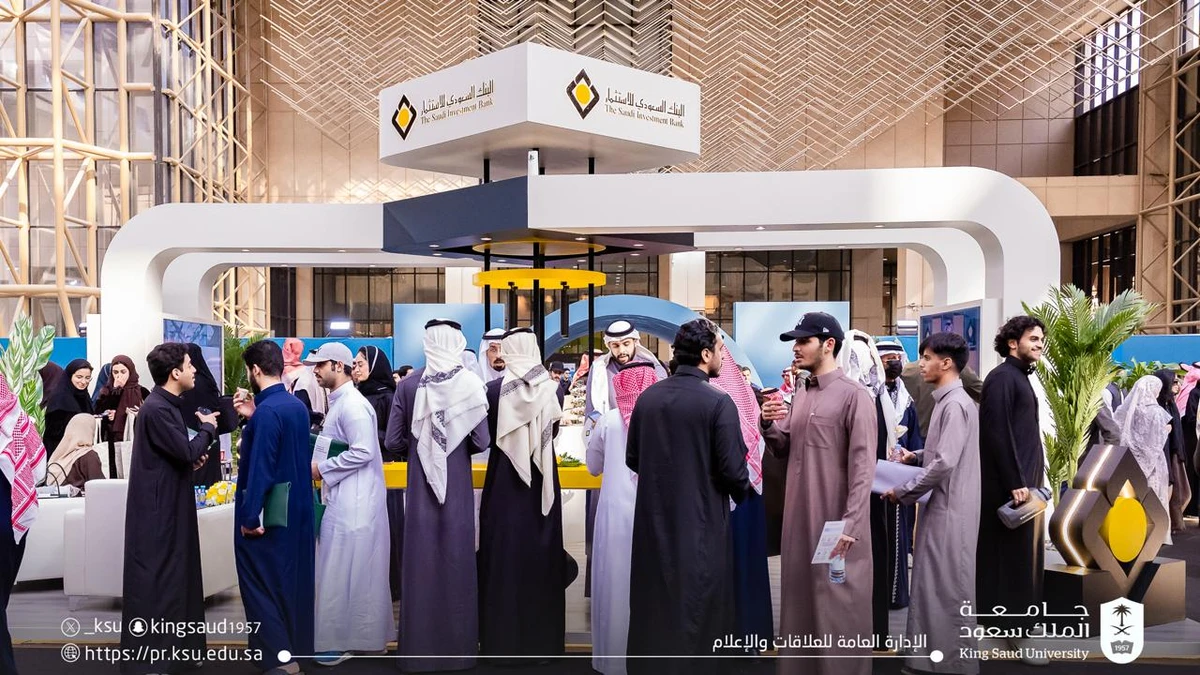
RIYADH: Media academics and professionals will gather in Riyadh on Tuesday for a two-day conference to discuss the growing impact of artificial intelligence on the industry.
Organized by the Saudi Association for Media and Communication, “Artificial Intelligence Media: Opportunities and Challenges” will bring together many of the sector’s leading lights.
Jareh Al-Marshidi, the association’s vice president and chairman of the conference’s scientific committee, said AI was now widely used across media workflows, from scriptwriting to distribution and audience targeting.
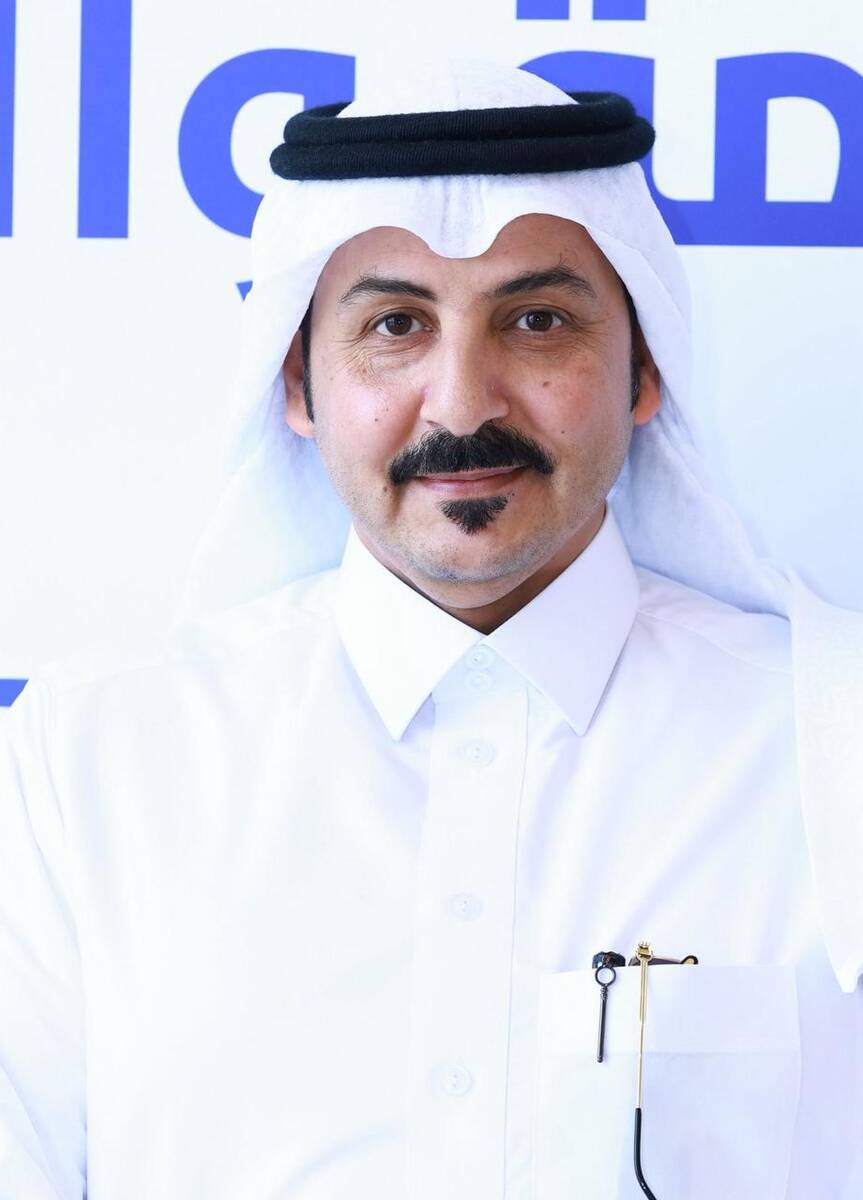
The main challenge, he said, was maintaining professional and ethical standards while making use of tools that could produce content quickly.
Prof. Mutlaq Al-Mutairi, supervisor of the Dr. Ibrahim Al-Muhanna Chair for Energy and Specialized Media, said the development of media and AI depended on strengthening scientific research in the Arab world.
Limited research capacity and reliance on bureaucratic systems could slow innovation and weaken the ability to keep pace with technological change, he said.
Improving research quality and supporting knowledge-based policies were essential to avoid intellectual and technological stagnation, he said.
Prof. Mohammed Al-Qaari, from the College of Media and Communication at Imam Muhammad Ibn Saud Islamic University, said digital media developments driven by AI required a rethink of media education.
The reforms should include understanding algorithms, technical systems and smart applications that underpinned modern media, he said.
Some academic programs still treated technology as a minor component, even though AI was central to content production, distribution and analysis, he said.
Curricula should incorporate data analysis, algorithmic thinking and generative AI tools from early stages to better prepare students for industry demands, Al-Qaari said.
Faculty members also needed more education as some remained cautious about adopting these new technologies, he said.
Ahmed Al-Dayhani, a correspondent for Monte Carlo Radio in Saudi Arabia, said AI could not replace reporters, who used their experience to interpret information, compare it with real conditions and identify trends.
But AI-generated media content could create confusion among audiences, he said, and he urged editors to distinguish between high- and low-quality content.
Lafi Al-Rashidi, a Saudi TV news anchor, said AI was a useful tool that supported media professionals but should be used carefully to avoid overreliance.
AI could help to improve media quality when used properly, but misuse could lead to the generation of more superficial content, he said.