- As the world marks International Mine Awareness Day, Iranian sea mines threaten vital strategic waterways
- Experts warn that even the threat of mining could disrupt shipping just as effectively as a full blockade
LONDON: Each year on April 4, as the world marks International Mine Awareness Day, attention often focuses on the deadly legacy of landmines and unexploded ordnance on land.
But beneath the waves, another threat is unfolding in the Strait of Hormuz, where Iran’s sea mines have raised the stakes for maritime traffic and global trade.
Nine days after the US and Israel launched their joint military operation against Iran, US officials said Tehran might be preparing to deploy naval mines in the waterway to further disrupt one of the world’s most critical shipping lanes.
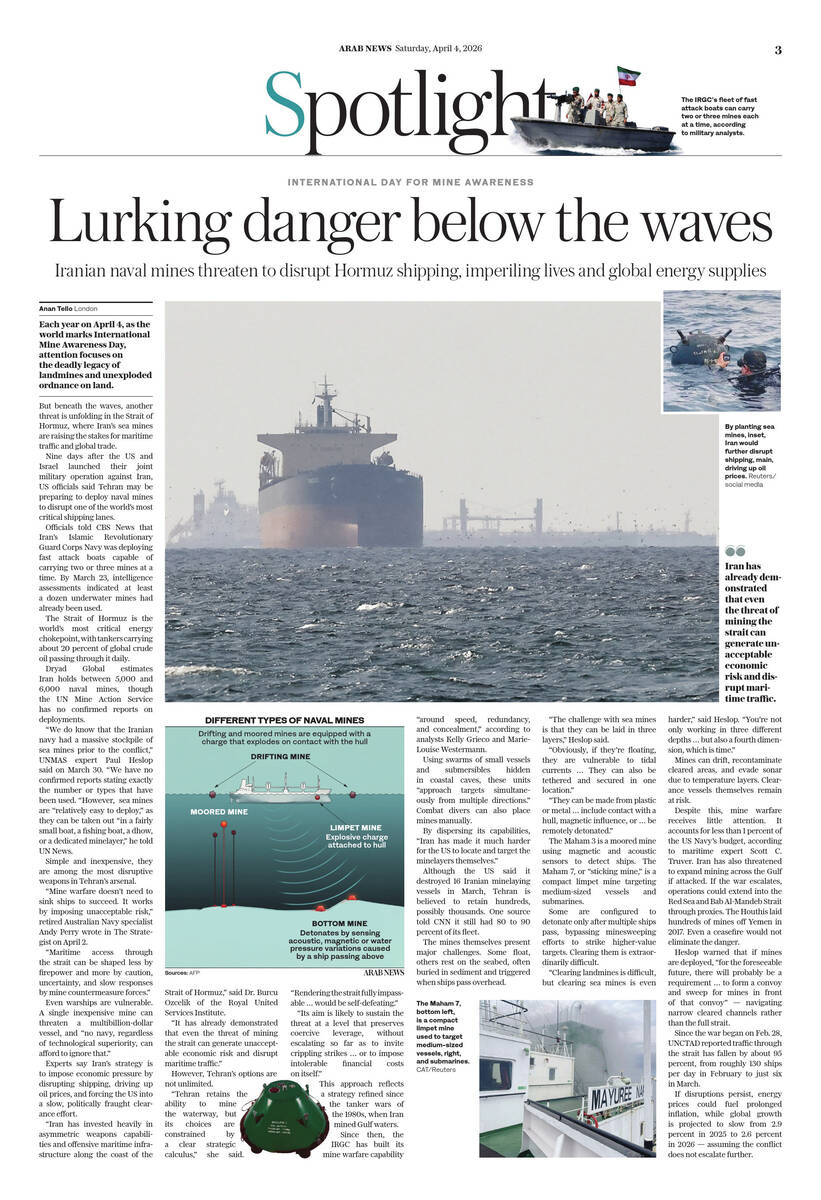
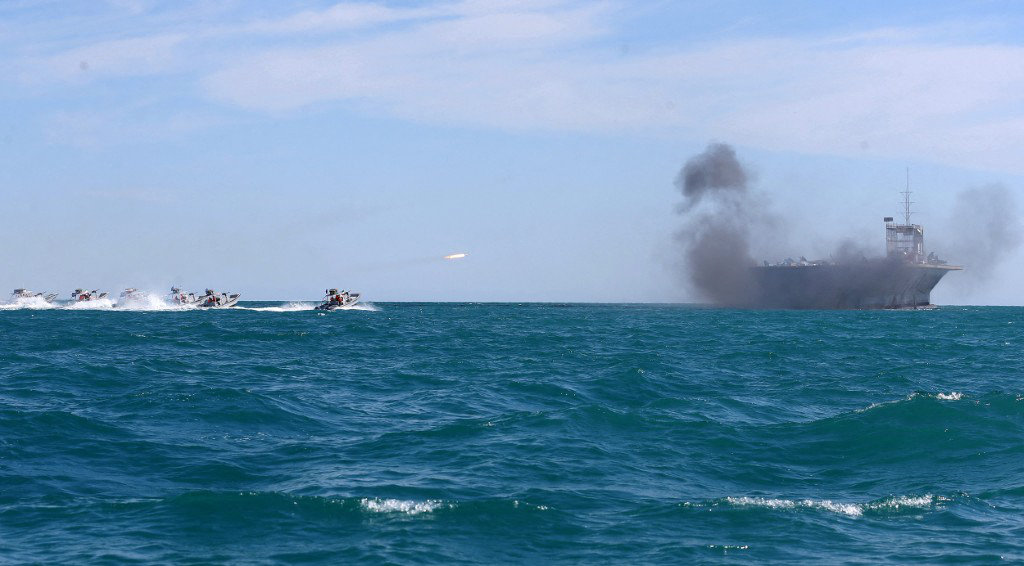
The officials, speaking to CBS News on condition of anonymity, said Iran’s Islamic Revolutionary Guard Corps Navy was deploying its fleet of fast attack boats, which can carry two or three mines at a time.
Then, on March 23, US officials told the broadcaster that intelligence assessments indicated at least a dozen underwater mines had already been used in the waterway, while another official put the number at fewer than a dozen.

These were identified as Iranian-made Maham 3 and Maham 7 limpet mines.
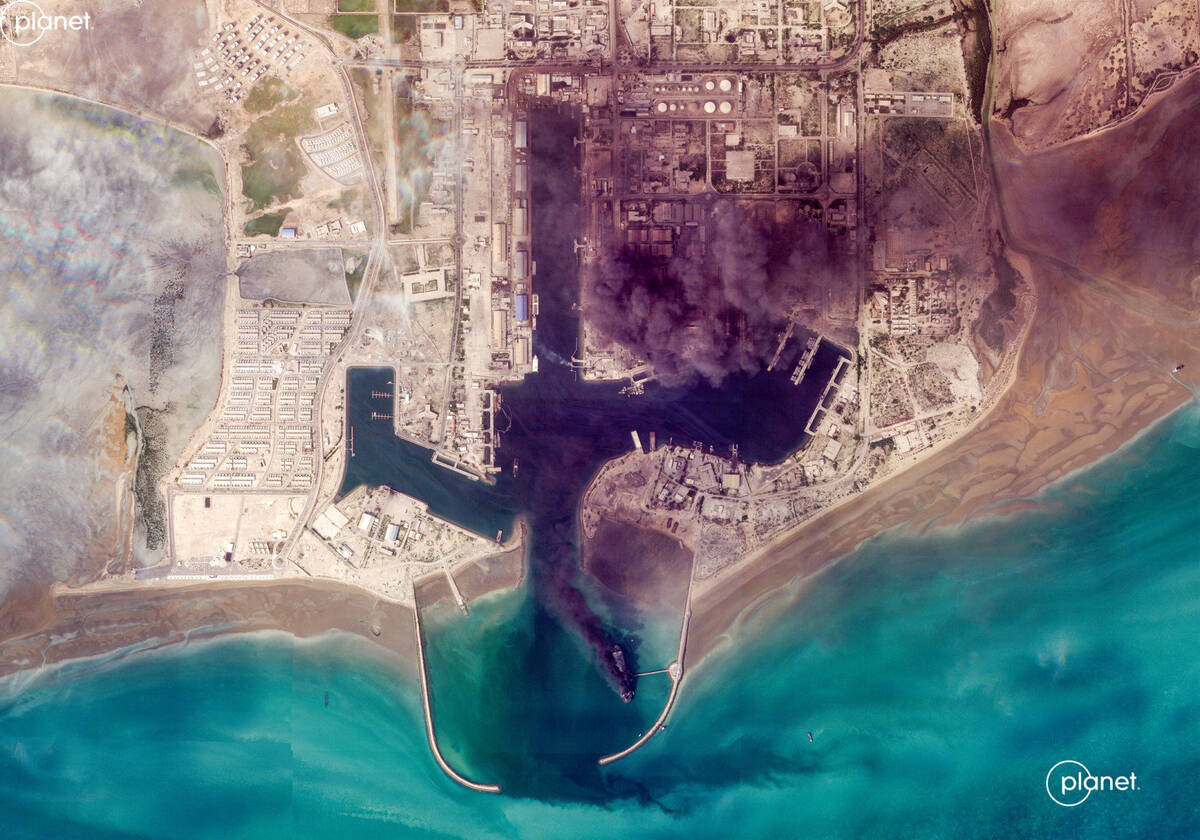
Iran’s IRGC, which effectively controls the strait alongside the country’s conventional navy, has a range of minelaying craft at its disposal, along with explosive boats and shore-based missile batteries, according to CNN.
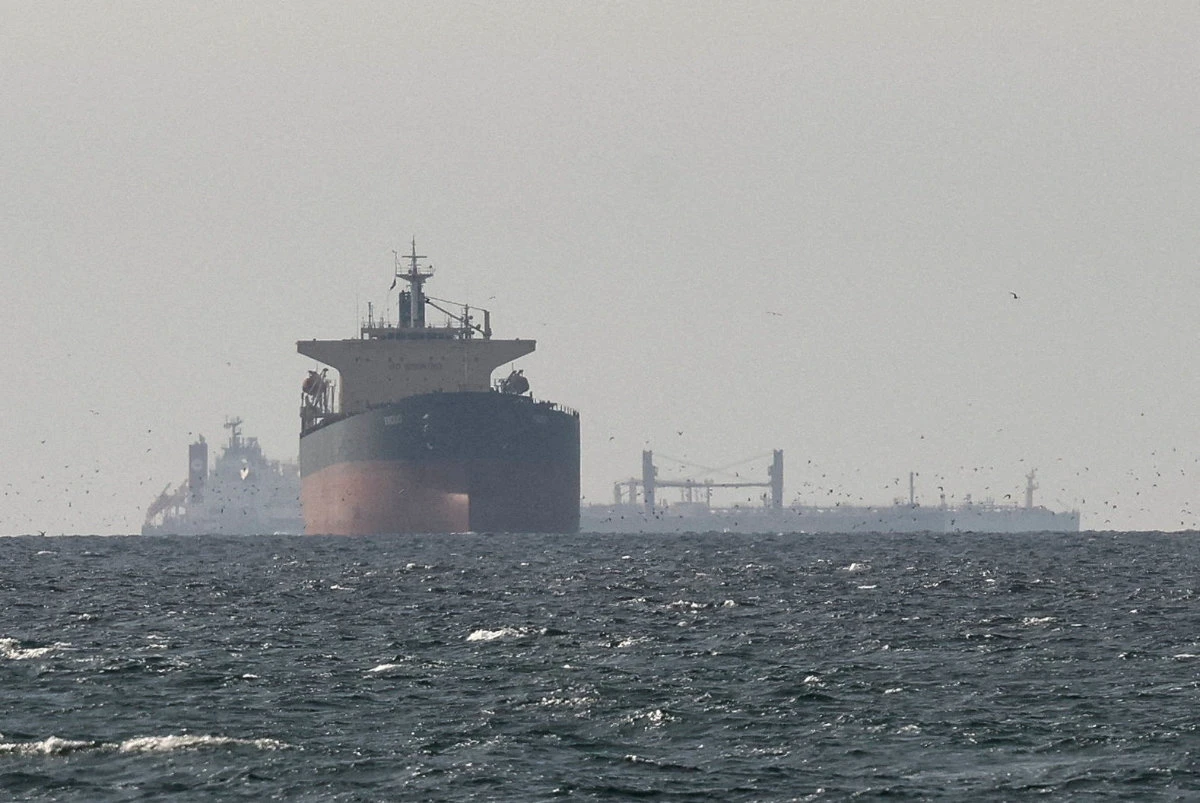
The strategic stakes could not be higher. The strait is the world’s most critical energy chokepoint, with tankers carrying about 20 percent of the world’s crude oil. Even minor disruptions can ripple through global oil prices and the broader economy.
Dryad Global, a maritime risk intelligence firm, estimates Iran holds between 5,000 and 6,000 naval mines in its inventory, though the UN Mine Action Service has no confirmed reports on how many, if any, have been deployed.
“We do know that the Iranian navy had a massive stockpile of sea mines prior to the conflict,” UNMAS expert Paul Heslop said on Monday. “We have no confirmed reports stating exactly the number or types that have been used.”
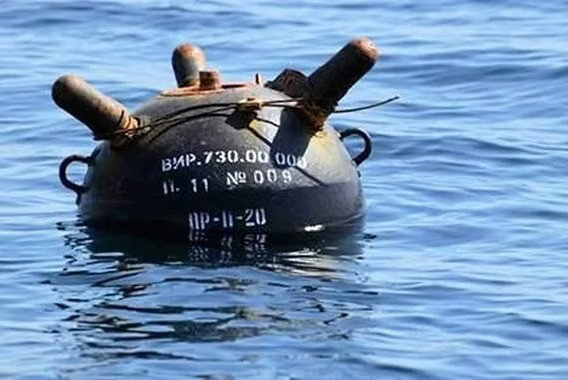
But, he told UN News, sea mines were “relatively easy to deploy” as they could be taken out “in a fairly small boat, a fishing boat, a dhow or a dedicated minelayer.”
Whatever the size of Iran’s stockpile or the number of mines already deployed, even the possibility of naval mines is enough to deter ships from transiting the strait. Simple and inexpensive, they are among the most disruptive weapons in Tehran’s arsenal.
A declassified 2009 CIA report said that just a few mines — or even the threat of laying them — would be enough to deter shipping as effectively as a blockade.
“Mine warfare doesn’t need to sink ships to succeed. It works by imposing unacceptable risk,” retired Australian navy specialist Andy Perry wrote in The Strategist on Thursday.
“Maritime access through the strait can be shaped less by firepower and more by caution, uncertainty and slow responses by mine countermeasure forces.”
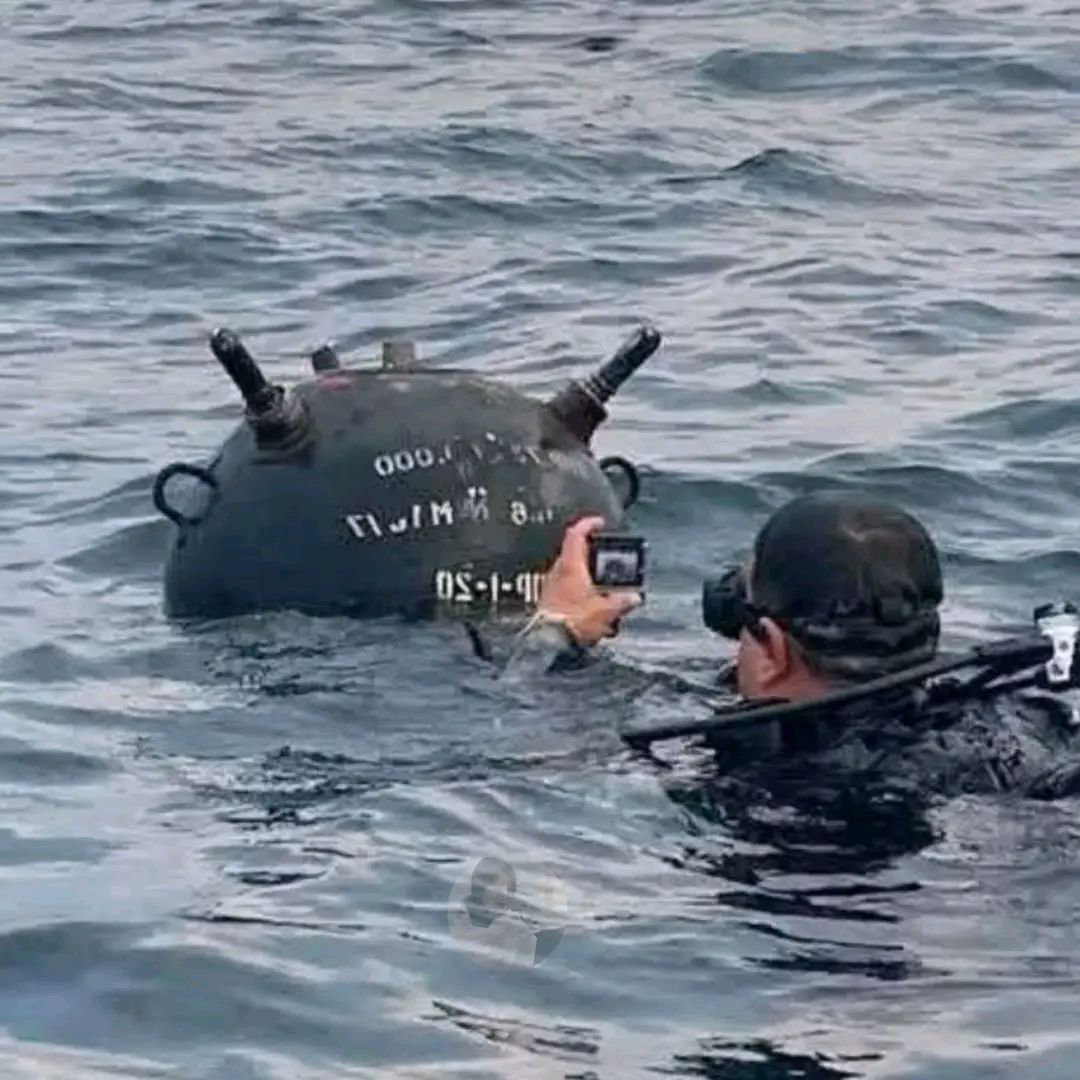
Arman Mahmoudian, research fellow at the University of South Florida’s Global and National Security Institute, agrees that “Iran would not need to mine the entire waterway to disrupt maritime traffic.”
Even a single detonation would likely cascade, he argued.
“A single incident causing an explosion would likely trigger widespread concern, leading shipping companies to halt transit through the strait and insurers to reassess or withdraw coverage,” Mahmoudian told Arab News.
“In effect, this could temporarily disrupt traffic without physically blocking the route.”
Even warships are not spared the risk. Perry said that a single inexpensive mine could threaten a multibillion-dollar warship and that “no navy, regardless of technological superiority, can afford to ignore that.”
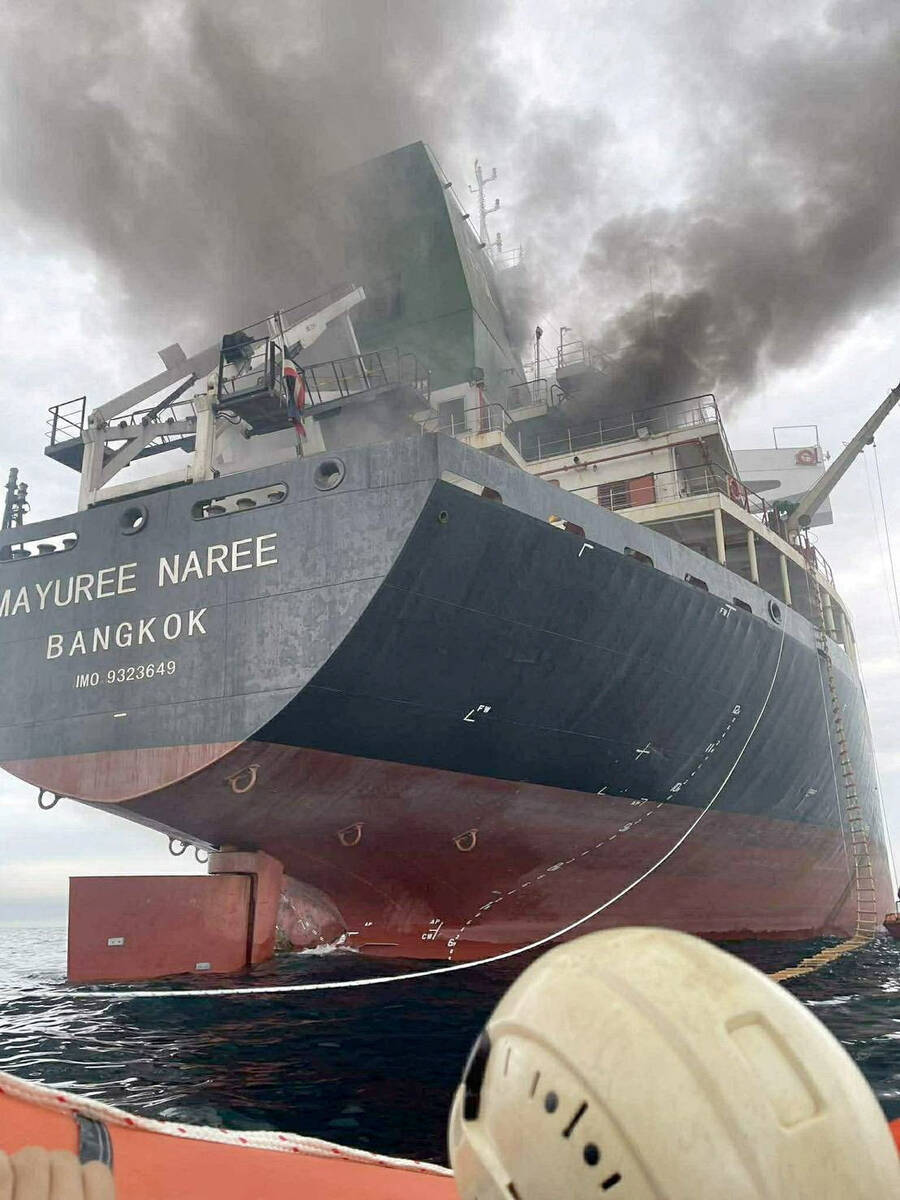
Experts say that Iran’s mining strategy is designed to impose maximum economic pressure by disrupting commercial traffic, driving up oil prices, and forcing the US into a slow, risky and politically fraught clearance effort.
“Iran has invested heavily in asymmetric weapons capabilities and offensive maritime infrastructure along the coast of the Strait of Hormuz,” Dr. Burcu Ozcelik, senior research fellow for Middle East and North Africa security at the Royal United Services Institute, told Arab News.
“It has already demonstrated that even the threat of mining the strait can generate unacceptable economic risk and disrupt maritime traffic.”
Nonetheless, she said that Iran’s options were not unlimited.
“Tehran retains the ability to mine the waterway but its choices are constrained by a clear strategic calculus. Rendering the strait fully impassable, including to vessels tied to Iran’s own financial interests, would be self-defeating,” Ozcelik said.
“Tehran understands this economic logic. Its aim is likely to sustain the threat at a level that preserves coercive leverage, without escalating so far as to invite crippling strikes on its energy infrastructure and other strategic assets, or to impose intolerable financial costs on itself.”
This approach reflects a strategy Iran has refined since the tanker wars of the 1980s, using limited means to stretch timelines, drain resources and shift the burden of escalation to the US.
During the tanker war phase of the Iran-Iraq War from 1984 to 1988, Iran mined Gulf waters, damaging the reflagged tanker Bridgeton in 1987 and USS Samuel B. Roberts in 1988, according to the US Naval Institute.
The IRGC had since built its mine warfare capability “around speed, redundancy and concealment,” US defense policy experts Kelly Grieco and Marie-Louise Westermann said in a March 23 report.
Its primary platforms include a mix of small vessels and submersibles concealed in a network of tunnels and coastal caves.
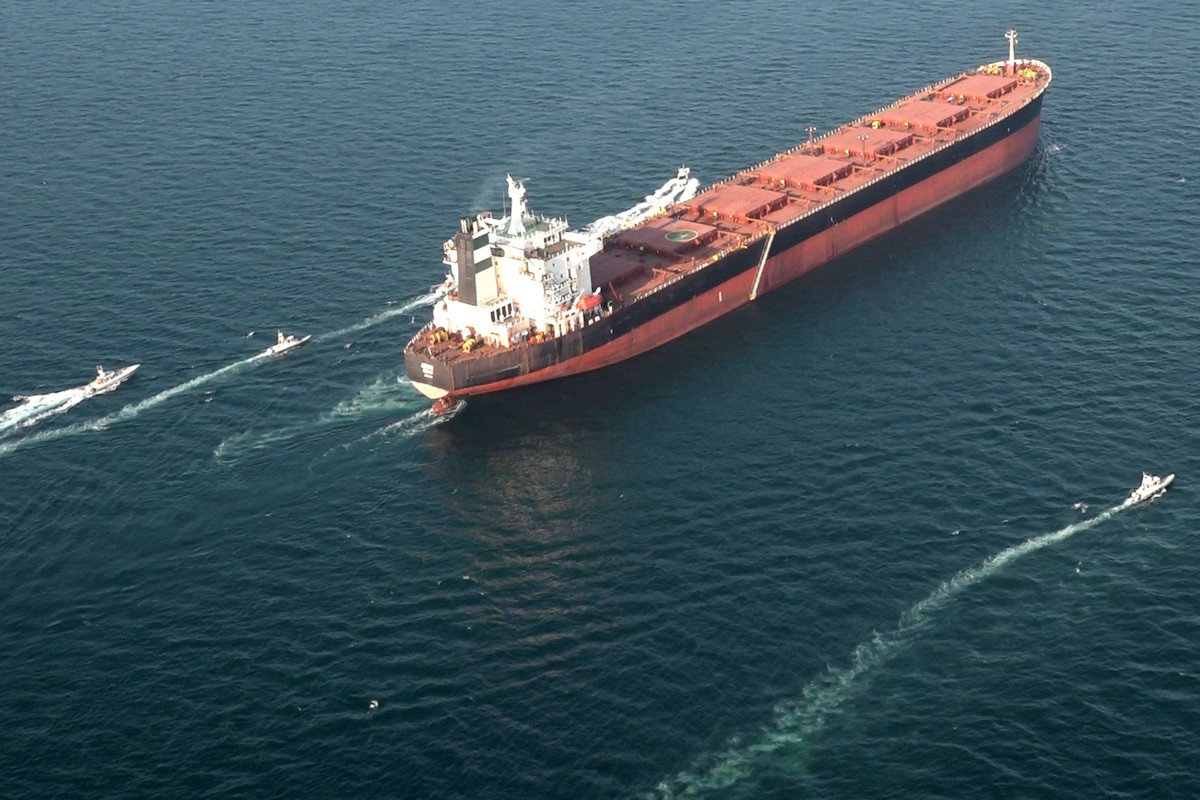
Operating in swarms, these vessels “approach targets simultaneously from multiple directions,” Grieco and Westermann wrote, with each boat capable of deploying two or three mines per sortie. Specially trained combat divers known as frogmen can also place mines manually.
By dispersing this capability across numerous mobile platforms, “Iran has made it much harder for the US to locate and target the minelayers themselves,” they said.
The US military said on March 10 it had destroyed 16 Iranian minelaying vessels. But Iran is believed to retain hundreds or even thousands of such attack boats.
A source told CNN in early March that Iran still had about 80 to 90 percent of its small boats and minelayers.
The mines themselves present distinct challenges. While some float on or near the surface, others rest on the seabed. They are most effective in shallow water, where ships pass closest to the bottom.
Some sit exposed, while others are partially or completely buried in sediment, deployable by small vessels or aircraft and triggered when they detect a ship passing overhead.
“The challenge with sea mines is that they can be laid in three layers: floating on the surface, floating inside the water or deployed to the bottom of the seabed,” Heslop said.
“Obviously, if they’re floating, they are vulnerable to tidal currents and can move location. They can also be tethered and secured in one location.”
ALSO READ:
• With the Strait of Hormuz closed, how many days can the world withstand an oil disruption?
• Why world powers have a major interest in keeping Strait of Hormuz open
• A Gulf Suez Canal? Bypassing the Strait of Hormuz may be harder than its advocates suggest
• Strait of Hormuz ‘tactically complex environment:’ top US general
• What could Trump achieve by threatening Iran’s Kharg Island?
• Iran’s options against foreign aggression include closing Strait of Hormuz, lawmaker says
He added: “They can be made from plastic or metal. Their activation mechanisms include contact with a hull, magnetic influence or they can be remotely detonated or timed to detonate.”
The Maham 3, for instance, is a moored mine that uses magnetic and acoustic sensors to detect nearby ships without contact.
According to the Collective Awareness to Unexploded Ordnance database, it can analyze movement and activate at the optimal moment, targeting vessels within a range of about 3 meters.
These mines are often configured to detonate only after a certain number of ships have passed, effectively bypassing minesweeping efforts to strike higher-value targets, wrote John Femiani, a computer science professor at Miami University, in The Conversation.
The Maham 7, dubbed the “sticking mine,” is a compact, high-explosive limpet mine that rests along the seabed. It uses acoustic and three-axis magnetic sensors to target medium-sized ships, landing craft and smaller submarines.
Locating and clearing such mines is extraordinarily difficult.
“Clearing landmines is difficult, but clearing sea mines is even harder,” Heslop said. “You’re not only working in three different depths, so three dimensions, but also a fourth dimension, which is time.”
Mines can shift with tidal currents, recontaminating areas that have already been cleared. Some are propellant-driven, actively moving through the water.
Temperature layers in the water can deflect sonar signals, degrading detection, and throughout, the vessels conducting clearance operations remain at risk.
Despite these dangers, mine warfare has received relatively little attention and funding from the US Navy, overshadowed by higher-profile weapons systems.
Maritime security expert Scott C. Truver told NPR on Wednesday that mine warfare accounted for less than 1 percent of the Navy’s total budget.
On Tuesday, US Defense Secretary Pete Hegseth urged allies, including the British Royal Navy, to “step up” to help secure the Strait of Hormuz. He reiterated President Donald Trump’s position, saying it was not solely America’s responsibility to secure the “critical waterway.”
But as retired US Central Command commander Gen. Joseph Votel warned, confirmed evidence of mining in the strait “would really extend out the time” required to reopen it.
“Mine clearing is very deliberate. It’s very slow. It’s very frustrating,” he told The War Zone last month. “There hasn’t been a huge investment in the resources that would be necessary for keeping the strait open in an armed conflict scenario.”
Time, experts say, is Iran’s most potent weapon.
“Clearance timelines can expand from days to weeks to even months, particularly when the extent of the mine threat is unknown,” Perry wrote.
As those timelines stretch, pressure for a ceasefire will mount, driven by rising energy costs and governments grappling with the economic fallout from sustained price shocks.
Complicating matters further, Iran has also threatened to expand mine operations across the Gulf if its coast or islands come under attack.
If the war intensifies, mining could extend into the Red Sea and the Bab Al-Mandeb Strait through Iran’s proxies. Indeed, the Houthi militia laid hundreds of mines off the Yemeni coast in 2017.
Even a ceasefire would not eliminate the danger.
Heslop said that if an agreement were reached and mines had been deployed, “for the foreseeable future, there will probably be a requirement, because of the dynamic nature of sea mines, to form a convoy and sweep for mines in front of that convoy” — navigating a cleared channel just a few kilometers wide rather than the full breadth of the strait.
For Mahmoudian, Iranian mining operations are designed not for closure but for coercion, as they “do not have the capacity to completely shut down the Strait of Hormuz,” he said.
“However, their objective is not necessarily full closure,” he added. “Rather, such actions are designed to generate psychological impact and significantly increase the financial risk — and thus the cost — of transiting the strait, particularly through sharply rising insurance premiums.”
“Iran appears to be pursuing a hybrid approach to influencing the Strait of Hormuz, combining naval mines with drones and short-range missile capabilities, allowing Tehran to exert pressure both at sea and from the air,” Mahmoudian said. “The goal is not necessarily permanent closure, but rather intermittent disruption that raises uncertainty and costs for international shipping.”
The disruption of this vital energy artery has been a defining feature of the conflict since it began on Feb. 28. On March 2, a senior adviser to the IRGC declared the Strait of Hormuz “closed,” threatening to set ships “ablaze.”
About two weeks later, Iran’s Foreign Minister Abbas Araghchi said the strait was “open, but closed to our enemies.”
International Energy Agency Executive Director Fatih Birol described the shipping crisis as “the largest supply disruption in the history of the global oil market.”
The impact extends well beyond hydrocarbons. The World Economic Forum has warned that the conflict is also choking supplies of methanol, aluminum, sulfur and graphite — materials critical to global manufacturing and the green energy transition.
The UN Conference on Trade and Development reported on Wednesday that activity in the strait has slowed to a near halt, with daily ship transits falling by almost 95 percent — from about 130 per day in February to just six a day in March.
If disruptions persist, elevated energy prices could prolong inflationary pressures worldwide. Global economic growth, meanwhile, is projected to slow from 2.9 percent in 2025 to 2.6 percent in 2026. And that assumes the conflict does not escalate.