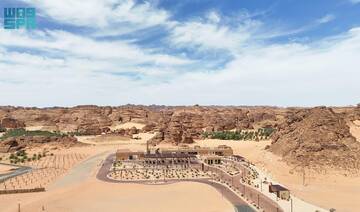
RAFHA: The mud architecture of Saudi Arabia’s Northern Border Region is as one of the most distinctive expressions of the Kingdom’s built heritage, a testament to the bond between people and land, and to the ingenuity of traditional construction methods that drew on local materials and engineering solutions shaped by the desert climate.
Walk through what survives of these structures today and the craftsmanship speaks for itself, the Saudi Press Agency reports.
Covered passageways stretch between mud columns coated in white plaster, their ceilings laid with tree trunks and palm fronds — a roofing system that was never merely aesthetic. It breathed. It cooled.
Lanterns suspended along the length of these ceilings speak to the traditional lighting of daily life, their glow once animating the rhythms of an entire community.
Light filters through the openings of mud walls in a visual tableau that chronicles the passage of time across these structures, bearing witness to the transformations they have endured while preserving their historical and aesthetic value.
The interplay of light and shadow lends the space a richness that no modern rendering can replicate.
This mode of construction is considered a cornerstone of the architectural identity of the northern regions.
Generations of residents built their homes from mud, stone and locally sourced timber; materials that delivered sustainability and environmental harmony long before those became guiding principles of modern design.
These structures also served as the social and economic heart of their communities.
Today, that same heritage is drawing a different kind of attention, SPA reports.
Restoration projects and documentation efforts are reclaiming these structures from neglect, repositioning them as cultural landmarks and tourism destinations that deepen public awareness of the region’s history and carry this legacy forward to future generations in step with the Kingdom’s ambitions to develop its cultural sector and affirm its national identity.