- Remittances generate more foreign exchange for Pakistan than exports, report says
- About 55 percent of inflows come from Middle East economies including Saudi Arabia, UAE
ISLAMABAD: Rising geopolitical tensions in the Middle East could threaten Pakistan’s crucial remittance inflows, a key pillar of the country’s external finances, according to a report released on Friday by Insight Securities.
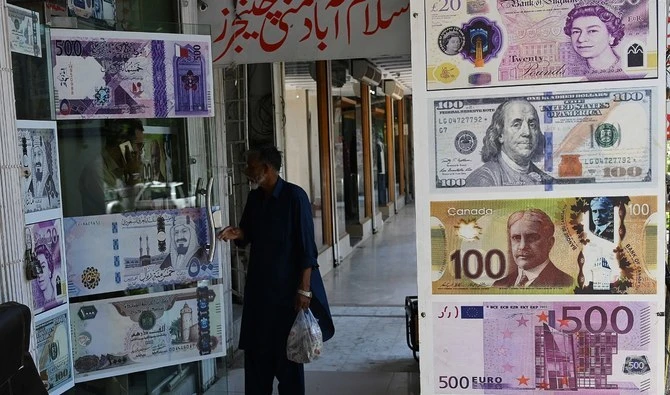
Remittances have become increasingly important for Pakistan’s economy over the past two decades, now generating more foreign exchange than the country’s exports and helping stabilize its balance of payments. About 55 percent of Pakistan’s remittance inflows come from the Middle East, particularly the United Arab Emirates and Saudi Arabia, making the country vulnerable to economic disruptions in the region.
Pakistan sends millions of workers to Gulf economies, and the money they send home is a major source of foreign exchange.
“Remittances have now become one of the most important pillars of the economy, generating more foreign exchange than exports,” the report said.
The research note warned that geopolitical tensions involving the United States, Israel and Iran could weaken economic activity in Gulf economies and eventually slow remittance flows to Pakistan if the situation persists.
“The security and stability perception of these countries has taken a hit amid tensions involving the United States, Israel, and Iran, the effects of which may take time to dissipate,” it said, adding that residents in those countries were already experiencing rising inflation.
The report also said the conflict had pushed up global energy prices and freight costs, increasing pressure on Pakistan’s import bill. Pakistan is a net importer of commodities, particularly crude oil, making it sensitive to fluctuations in global energy markets.
According to the report, domestic fuel prices in Pakistan have already increased by about Ps55 ($0.20) per liter, reflecting the global surge in oil prices and rising war risk premiums on shipping.
The analysts warned that higher oil prices could further strain the country’s fragile macroeconomic recovery. Every $5 per barrel increase in crude oil prices raises Pakistan’s import bill by roughly $800 million annually, the report said.
Pakistan’s economic structure has also shifted over time toward greater reliance on remittances. The report said remittances accounted for about 1.1 percent of GDP in fiscal year 2000, but have since climbed to roughly 9.3 percent of GDP, while the share of goods exports has declined from 9.1 percent to around 7.9 percent over the same period.
The inflows have helped finance Pakistan’s persistent trade deficit and support the country’s foreign exchange reserves. But the report warned that any sustained disruption in remittance flows, combined with higher oil prices and structural export constraints, could undermine the macroeconomic stability the country has achieved in recent years.
“A prolonged disruption in the global energy supply chain could be detrimental for Pakistan and may erode the fragile macroeconomic stability achieved in recent years,” the report said.