

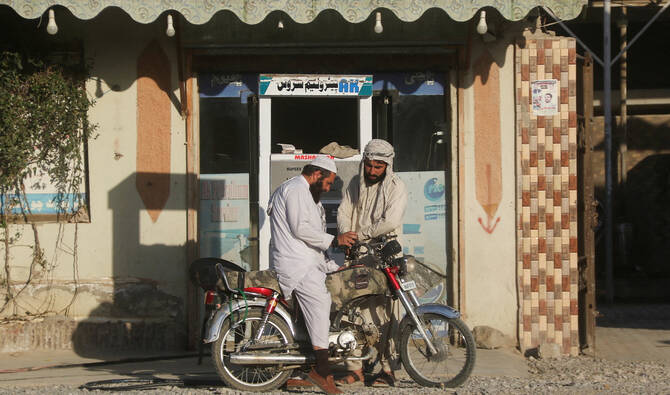

ISLAMABAD: Prevailing tensions in the Middle East have halted border trade between Pakistan and Iran and almost doubled food prices in Pakistan’s southwestern Balochistan province, residents said this week.
Pakistan and Iran share a 909-kilometer-long border and communities living in border towns on either side have for decades relied on informal trade between the neighboring countries.
But the US-Israeli strikes on Iran and Tehran’s retaliatory strikes against Israel and US interests in the Arabian Gulf have raised security fears and triggered border closures.
“The routes are closed due to the war [in Iran]. Previously, the items I used to get for Rs200-250 [up to $0.89] per kilogram now costs me Rs250-400 [$1.43],” Kamal Khan, a vegetable vendor in Balochistan’s Taftan border town, told AFP.
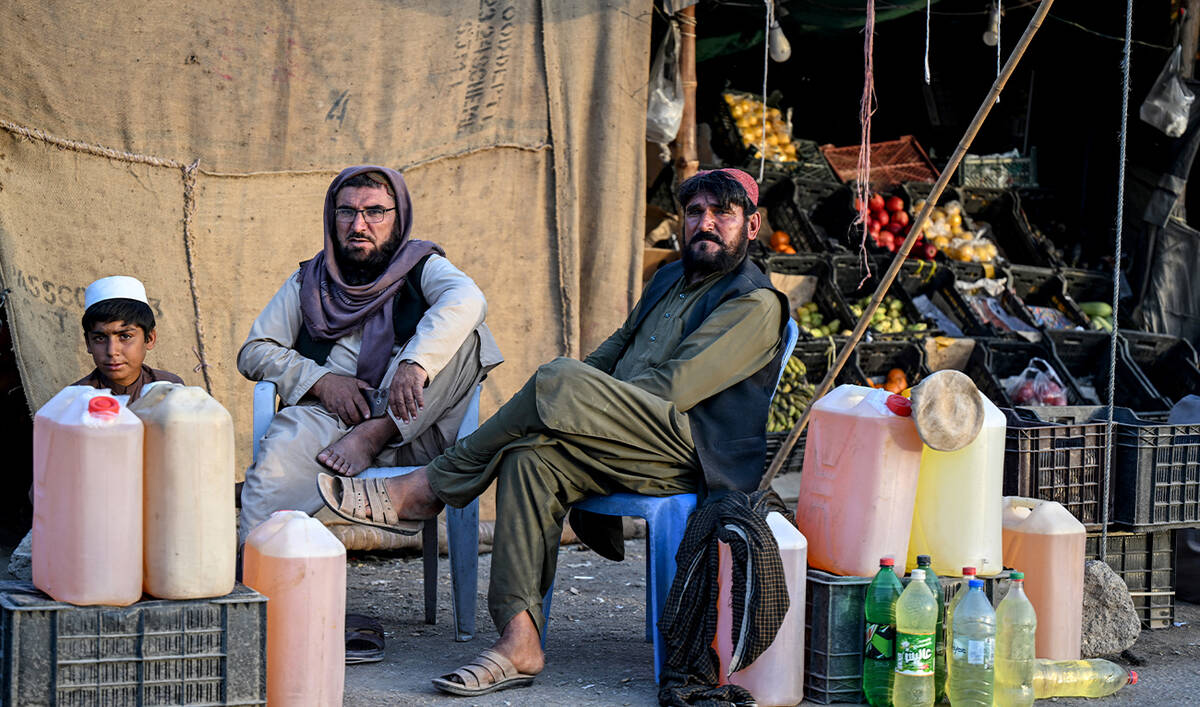
Pakistani men selling petrol wait for customers at their stall in the Pakistan–Iran border town of Taftan, Balochistan province on March 4, 2026. (AFP)
“This closure has caused a significant increase in prices. Here there are poor people who do not have any purchasing power left.”
Kamran Khan, a local businessman, said his business has taken a huge hit from the conflict and subsequent border closures.
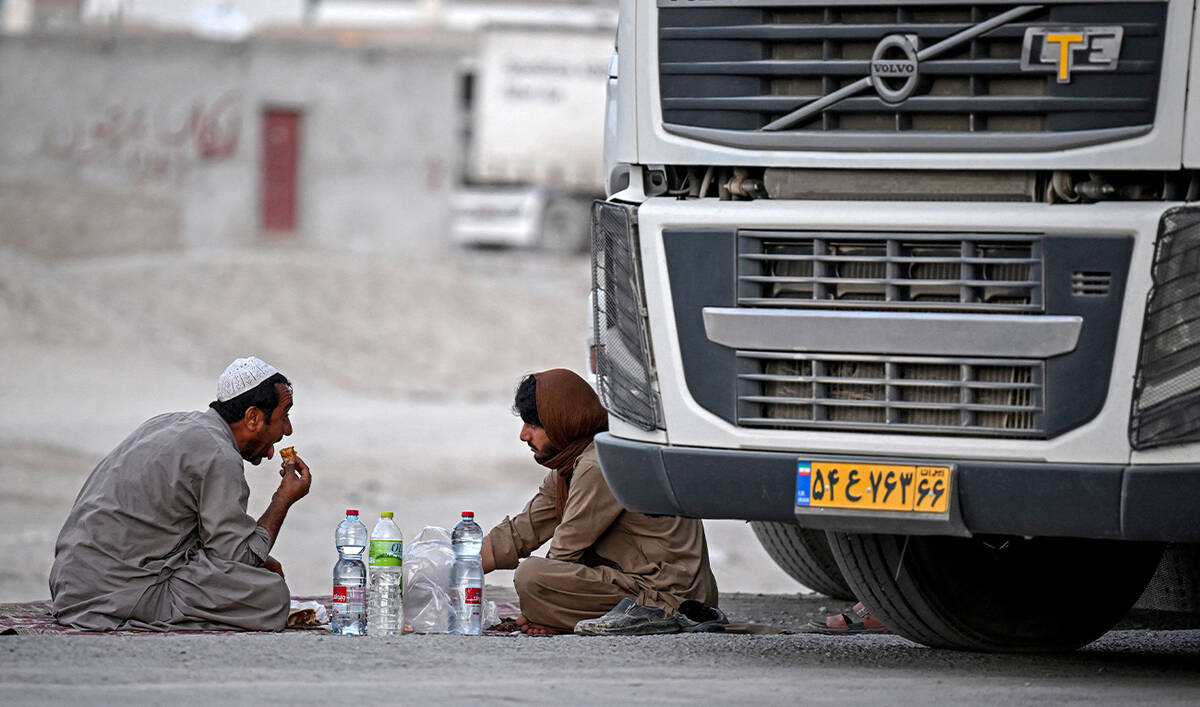
Iranian truck drivers break their fast during the Islamic holy fasting month of Ramadan at the Taftan border in Balochistan province on March 4, 2026 amid ongoing US-Israel strikes on Iran. (AFP)
“Edible goods for domestic consumption in Taftan are getting scarce. The LPG that comes [via Taftan] is now getting short all over Pakistan,” he said.
“We are losing tens of millions of rupees.”
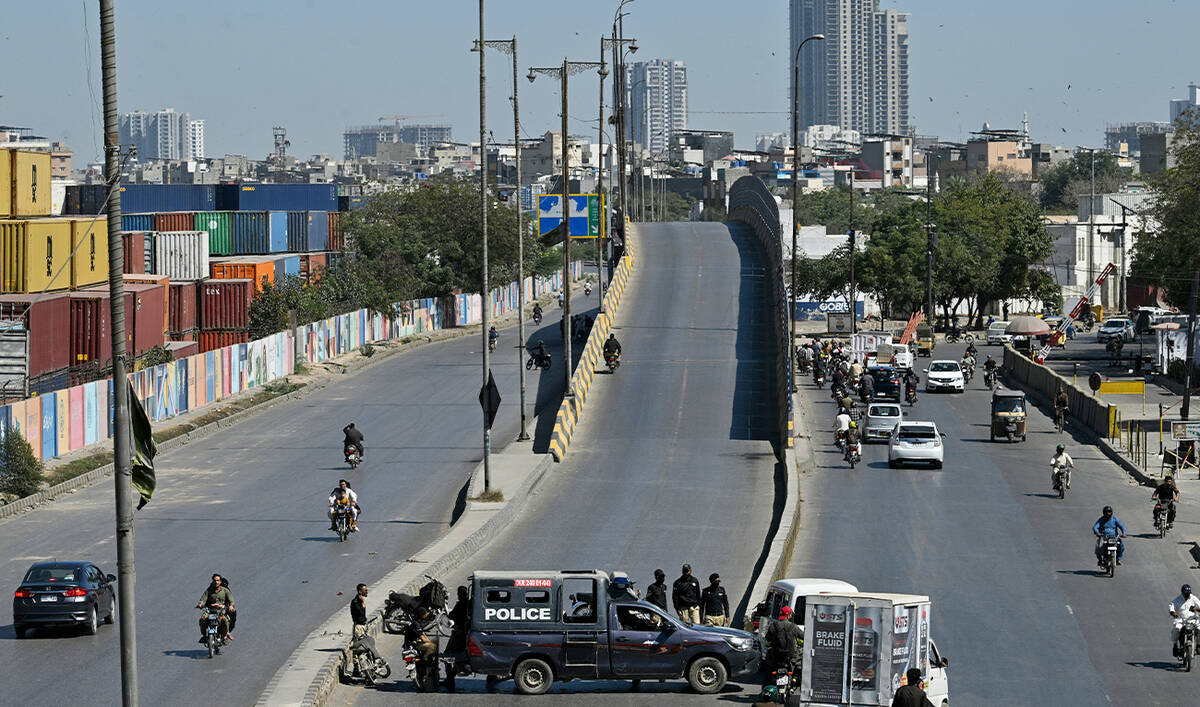
Police stand guard along a street leading to the US consulate in Karachi on March 4, 2026, following violent demonstrations across Pakistan over the US-Israel strikes on Iran. (AFP)


