
ISLAMABAD: Pakistan has moved forward with a $1.12 billion coal-to-fertilizer project in the desert region of Thar, an official statement said on Friday, as it aims to use domestic coal to produce urea and reduce reliance on imported fertilizer and costly natural gas.
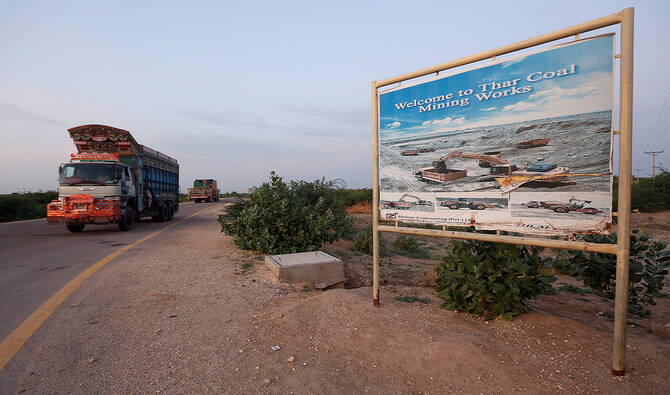
The initiative is part of Pakistan’s broader push to tap the vast coal reserves in Tharparkar district in southern Sindh province. Thar is home to one of the world’s largest untapped lignite coal deposits, discovered in the 1990s, and has in recent years become central to the country’s coal-based power generation expansion.
“This project is of immense importance not only for Sindh but for the entire country,” Shah said, according to the statement. “It will reduce reliance on imported fertilizer, create jobs, generate exports and add value to our indigenous coal resources.”
Pakistan traditionally produces urea using natural gas as feedstock. However, declining domestic gas reserves and rising liquefied natural gas (LNG) imports have increased production costs and placed pressure on foreign exchange reserves.
Under the Coal-to-Fertilizer (C2F) initiative, Thar coal will be converted into synthesis gas through a process known as coal gasification. The hydrogen extracted from that gas will then be used to produce ammonia, which is combined with carbon dioxide to manufacture urea.
The project is designed to produce around 717,000 tons of urea annually, with roughly half intended for domestic use and the remainder for export. Officials estimate annual export revenues of up to $260 million.
Once operational, the statement said, the project could create more than 3,500 direct jobs and about 7,000 indirect jobs, while generating royalties for the provincial government through coal extraction.