SYDNEY: Australia said on Wednesday it would temporarily ban one of its citizens held in a Syrian camp from returning to the country, under rarely-used powers aimed at preventing terror activity.
Thirty-four Australians in a northern Syrian facility holding families of suspected Daesh militants are expected to return home after their release was conditionally approved by camp authorities.
They were briefly freed on Monday before being turned back by Damascus for holding inadequate paperwork.
Australia has already said it would not provide any assistance to those held in the camp, and is investigating whether any individuals posed a threat to national security.
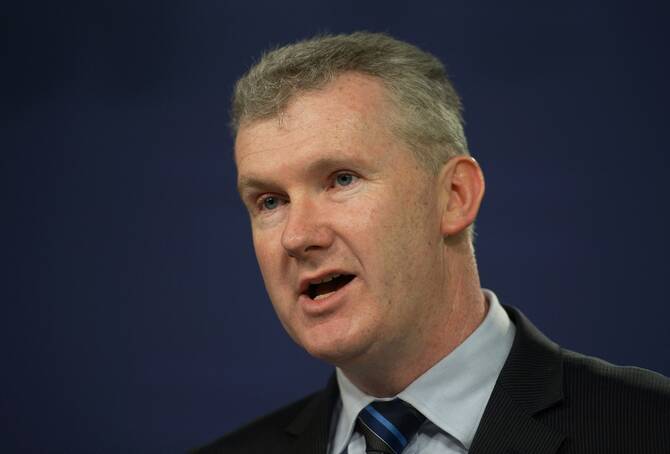
“I can confirm that one individual in this cohort has been issued a temporary exclusion order, which was made on advice from security agencies,” Home Affairs Minister Tony Burke said in a statement on Wednesday.
Security agencies have not yet advised that other members of the group meet the legal threshold for a similar ban, he added.
Introduced in 2019, the legislation allows for bans of up to two years for Australian citizens over the age of 14 that the government believes are a security risk.
Prime Minister Anthony Albanese said on Wednesday some members of the cohort, that includes children, had aligned themselves with a “brutal, reactionary ideology and that seeks to undermine and destroy our way of life.”
“It’s unfortunate that children are caught up in this, that’s not their decision, but it’s the decision of their parents or their mother,” he added.
News of the families’ possible return has caused controversy in Australia, where support for the right-wing, anti-immigration One Nation party has surged in recent months.
A poll this week found One Nation’s share of the popular vote at a record high of 26 percent, above the combined support for the traditional center-right coalition currently in opposition.


![]()

Australia bars citizen held in Syria from returning home
Short Url
https://arab.news/nvuwp
Australia bars citizen held in Syria from returning home
- They were briefly freed on Monday before being turned back by Damascus for holding inadequate paperwork


Latest updates


© 2026 SAUDI RESEARCH & PUBLISHING COMPANY, All Rights Reserved And subject to Terms of Use Agreement.