

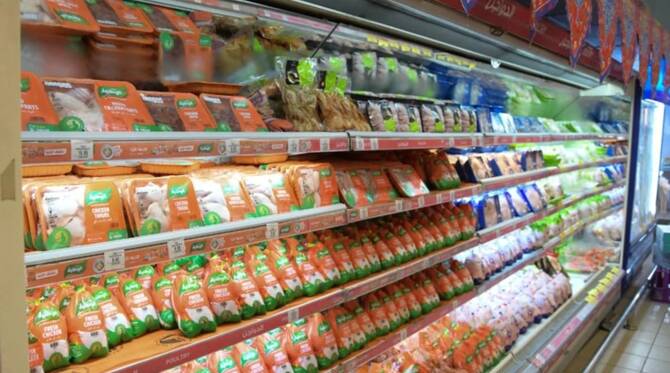

RIYADH: Four countries have joined the Global Halal Mark alliance, a new initiative launched by the Saudi Halal Center, following the signing of two agreements with Indonesia and Thailand.
Speaking to Al-Eqtisadiah on the sidelines of the Makkah Halal Forum, Abdulaziz Al-Rushodi, CEO of the Saudi Halal Center, said the number of countries participating in the alliance is expected to reach 10 by the end of this year.
He said the initiative aims to unify “Halal” marks around the world and achieve the highest standards of reliability in the sector.
A second initiative announced at the forum is the Halal Academy, established in cooperation with the Islamic University of Madinah, to serve as a global scientific reference contributing to the development of competencies and the halal ecosystem in a comprehensive manner.
Al-Rushodi also stated that the center is planning to launch the Global Halal Hub initiative, an integrated digital system aimed at unifying halal certifications and facilitating cross-border trade procedures among various countries.
As part of efforts to support the local industry, the center — according to Al-Rushodi — signed a memorandum of understanding with the Food Manufacturers Association, which includes thousands of national factories, with the aim of empowering Saudi products and qualifying them for export to countries in the Islamic world by granting them the halal mark.
He said the partnership seeks to encourage local manufacturers to adopt the mark as a core standard for their products, opening broad prospects for global marketing and strengthening the presence of Saudi products in international markets.
The Saudi Halal Center was established in 2018 and operates under the Saudi Food and Drug Authority. The center grants halal certificates after verifying compliance with Shariah and technical standards and requirements to ensure the reliability of products bearing the “Halal” mark in local and international markets, in addition to issuing the Saudi halal mark.
The center grants the right to use its trademark, a logo placed on products to indicate that they are subject to oversight and auditing and are compliant with Islamic law.
The size of the global halal market in 2025 was estimated at approximately $7 trillion, with Saudi Arabia topping the list of the largest investing countries in the sector at a value of SR5.5 billion ($1.4 billion), Yousef Khalawi, Secretary-General of the Islamic Chamber of Commerce and Development, told Al-Eqtisadiah.
According to Khalawi, the size of the halal market is expected to reach $10 trillion by 2030, amid accelerating growth in global consumer demand and expanding investments in value chains linked to halal industries.
Saudi Arabia ranks first globally among the most invested countries in the halal sector, having injected investments valued at SR5.5 billion. Malaysia comes second with investments reaching SR4.7 billion, benefiting from its advanced ecosystem of global halal standards, followed by Kuwait in third place with investments amounting to SR4.1 billion.
The UAE ranked fourth, investing approximately SR3.7 billion in value chains related to food, tourism, and consumer products, while Indonesia placed fifth with investments estimated at SR1.5 billion.


