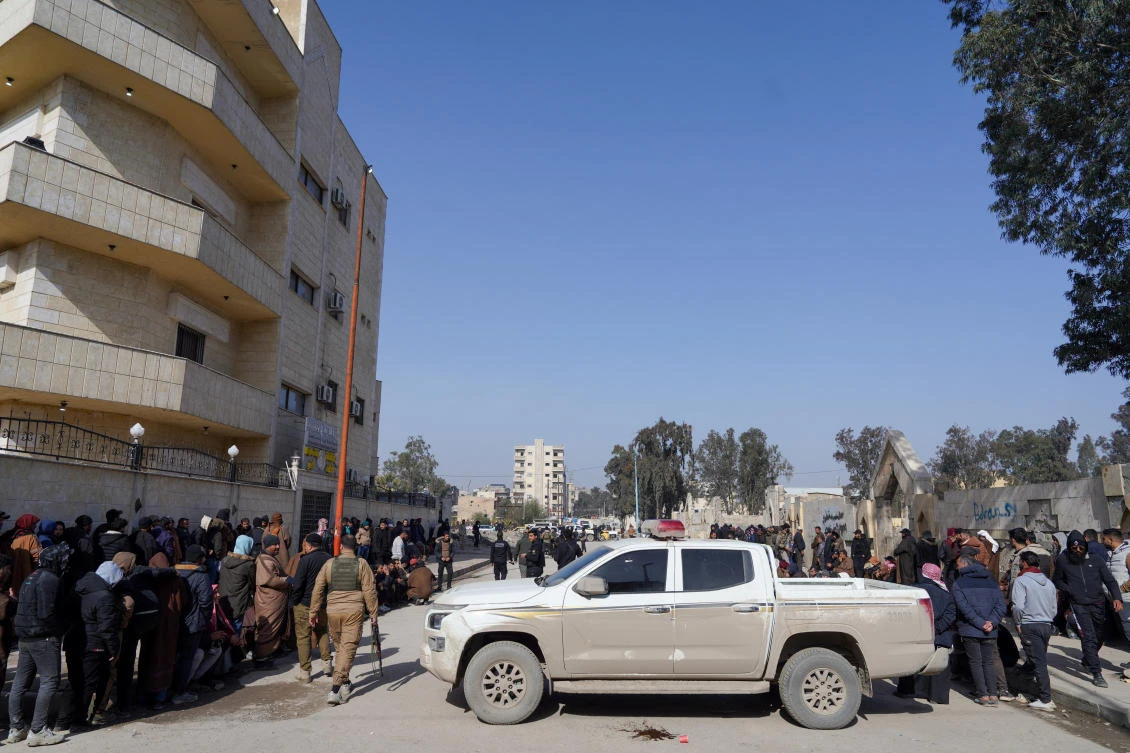
BAGHDAD: Recent clashes between Syria’s military and Kurdish forces are a “setback” and a “plot” to derail the PKK peace process with Turkiye, a spokesman for the Kurdish militant group told AFP on Tuesday.
“The developments in Syria and the larger Middle East have a direct effect on the peace process in Turkiye,” said Zagros Hiwa, spokesman for the political wing of the Kurdistan Workers’ Party.
The attacks “against the Kurds are a plot and conspiracy against the peace process and they indicate a setback in the process,” he said.
Syria’s government and Kurdish forces on Saturday extended a truce by 15 days after the Kurds lost large areas to government forces during weeks of clashes.
The Kurdish-led Syrian Democratic Forces (SDF) find themselves now restricted to Kurdish-majority areas in the country’s north.
Turkiye is a close ally of Syria’s new leadership that overthrew Bashar Assad in December 2024, and which is now seeking to extend state control across Syria.
Ankara is simultaneously leading a drive to reach a settlement with the PKK — listed as a terror group by Turkiye and its Western allies.
Last year, the PKK said it was ending its four-decade insurgency in favor of democratic means but the process has largely stalled amid the stand-off in Syria.
Turkiye accuses the Syrian Kurdish forces of being an offshoot of the PKK.
Hiwa said the PKK’s “commitment to the peace process is a strategic issue.”
But he added that “the new strategy does not exclude the urgency of self-defense against genocidal attacks.”
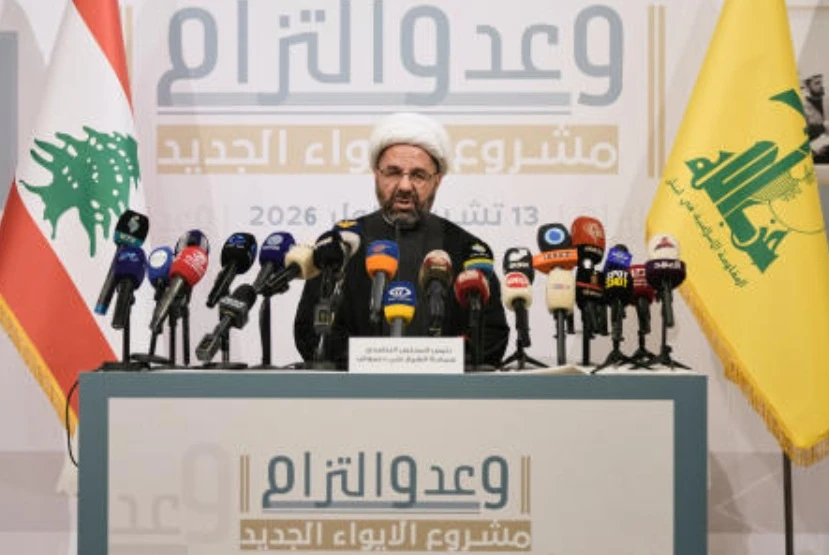
Syria army’s clashes with Kurds ‘setback’ to Turkiye peace process: PKK spokesman
https://arab.news/zp3va
Syria army’s clashes with Kurds ‘setback’ to Turkiye peace process: PKK spokesman
- “The developments in Syria and the larger Middle East have a direct effect on the peace process in Turkiye,” said Hiwa
- The attacks “against the Kurds are a plot and conspiracy against the peace process”
Iran FM criticizes Israel for ‘doctrine of domination’
- Doctrine allows Israel to expand its military arsenal while pressuring other countries in the region to disarm
- His remarks came a day after renewed nuclear talks with Washington in Oman
DOHA: Iran’s Foreign Minister Abbas Araghchi on Saturday criticized what he said was a “doctrine of domination” that allows Israel to expand its military arsenal while pressuring other countries in the region to disarm.
His remarks came a day after renewed nuclear talks with Washington, with previous talks collapsing when Israel launched an unprecedented bombing campaign against Iran last June that triggered a 12-day war.
Araghchi was speaking at the Al Jazeera Forum conference in Qatar but made no reference to Friday’s talks with the United States.
“Israel’s expansionist project requires that neighboring countries be weakened: militarily, technologically, economically and socially,” Araghchi said.
“Under this project Israel is free to expand its military arsenal without limits ... Yet other countries are demanded to disarm. Others are pressured to reduce defensive capacity. Others are punished for scientific progress,” he added.
“This is a doctrine of domination.”
During the 12-day war Israel targeted senior Iranian military officials, nuclear scientists and sites as well as residential areas, with the US later launching its own attacks on key nuclear facilities.
Iran responded at the time with drone and missile attacks on Israel, as well as by targeting the largest US military base in the Middle East, located in Qatar.
On Friday, Araghchi led the Iranian delegation in indirect nuclear talks with US Middle East envoy Steve Witkoff in Muscat.
The top Iranian diplomat later described the atmosphere as having been “very positive,” while US President Donald Trump said the talks were “very good,” with both sides agreeing to proceed with further negotiations.
The talks followed threats from Washington and its recent deployment of an aircraft carrier group to the region following Iran’s deadly crackdown on anti-government protests last month.
The United States has sought to address Iran’s ballistic missile program and its support for militant groups in the region — issues which Israel has pushed to include in the talks, according to media reports.
Tehran has repeatedly rejected expanding the scope of negotiations beyond the nuclear issue.