

Pakistan pitches mineral investment, regulatory easing at Saudi forum

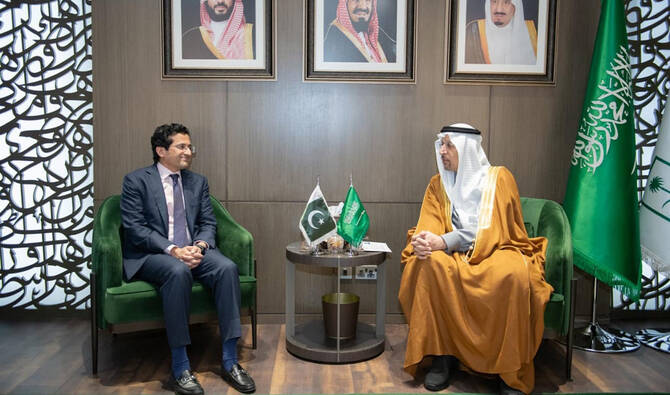
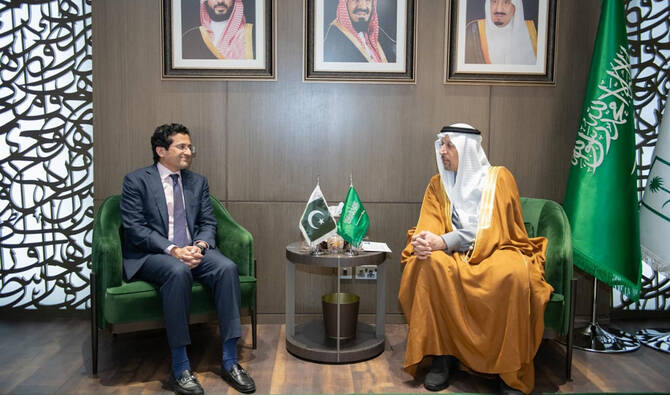
Petroleum Minister of Pakistan, Ali Pervaiz Malik (left), in conversation with Saudi Arabia's Minister of Investment Engr. Khalid Al-Falih in Riyadh, Saudi Arabia, on January 17, 2026. (PID)
Short Url
Updated 17 January 2026
Follow

Pakistan pitches mineral investment, regulatory easing at Saudi forum

  • Ali Pervaiz Malik tells participants Pakistan is simplifying rules to attract investors
  • The petroleum minister also invites global firms to April minerals forum in Pakistan

ISLAMABAD: Pakistan is easing regulatory bottlenecks and opening its mineral sector to foreign investors, Petroleum Minister Ali Pervaiz Malik told Saudi officials and global industry leaders during meetings held around a major mining conference in Riyadh, according to a government statement on Saturday that provided a roundup of his engagements in the Kingdom.

Malik spearheaded the Pakistan delegation to the Future Minerals Forum (FMF) in the Saudi capital, held from January 13 to 15. The event is annually hosted by Saudi Arabia and brings together ministers, mining executives and investors from around the world to discuss global mineral supply chains and investment frameworks.

“The Government of Pakistan is actively reducing systemic friction by simplifying the regulatory environment and harmonizing the mineral sector framework,” the minister told a panel at the forum, according to an official statement, adding that Pakistan “possesses vast and diverse mineral potential, offering significant opportunities for global partnerships.”

On the sidelines of the forum, Malik held bilateral meetings with Saudi Energy Minister Prince Abdulaziz bin Salman and Saudi Investment Minister Khalid Al-Falih to discuss energy cooperation and investment opportunities, the statement said.

Pakistan also invited global stakeholders to participate in the Pakistan Minerals Investment Forum scheduled for April 2026, which Malik described as a platform for investment, collaboration and policy dialogue.


Pakistan finance chief calls for stronger emerging market voice during Saudi conference

Updated 12 February 2026
Follow

Pakistan finance chief calls for stronger emerging market voice during Saudi conference

  • Aurangzeb tells Saudi state media developing economies must assume larger global role
  • Minister says AlUla conference can strengthen coordination among emerging economies

KARACHI: Pakistan’s Finance Minister Muhammad Aurangzeb on Thursday called for developing economies to play a greater role in shaping global economic governance in an interview on the sidelines of the AlUla Conference for Emerging Market Economies in Saudi Arabia.

The conference, hosted by the Kingdom’s Finance Ministry, brings together top government functionaries, central bank governors and policymakers from emerging markets to discuss debt sustainability, macroeconomic coordination and structural reforms amid global economic uncertainty.

In a conversation with the Saudi Press Agency, Aurangzeb described the conference as a timely platform for dialogue at a moment of heightened geopolitical tensions, trade fragmentation and rapid technological change, including advances in artificial intelligence.

“It is not merely about discussions but about translating deliberations into concrete policy actions and execution over the course of the year,” he said, according to a statement circulated by the Finance Division in Islamabad.

The minister said emerging markets’ growing share of global output and growth should be matched by greater influence in international decision-making.

He noted these economies must strengthen collective dialogue and coordinated policy responses to address shared challenges, adding that the global landscape had evolved significantly since the inaugural edition of the conference.

Aurangzeb expressed confidence that the outcomes of the AlUla Conference would contribute to strengthening coordination among emerging economies and reinforcing their collective voice in shaping a more inclusive and resilient global economic order, the statement added.