
ISLAMABAD: Pakistan’s top diplomat to Iran on Tuesday urged Pakistani nationals to keep their travel documents handy and advised students to plan ahead after Iranian universities rescheduled examinations to allow international students to leave, as weeks-long nationwide protests further intensified.
Iran has been gripped by protests since late December after shopkeepers in Tehran’s Grand Bazaar shut their businesses to protest worsening economic conditions, triggered by the Iranian rial plunging to record lows against the US dollar.
The demonstrations quickly spread beyond the capital, with unrest reported in most of the country’s 31 provinces and involving traders, students and other groups.
Authorities have responded with arrests, use of force and Internet and mobile network disruptions, which rights groups say are aimed at curbing coordination and limiting coverage of the protests.
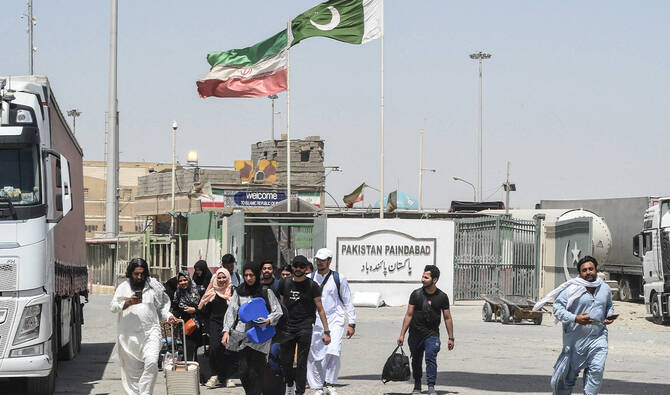
At least 100 Pakistani citizens, including students and pilgrims, have returned home through the Pakistan-Iran border in the southwestern province of Balochistan, a Pakistani official told Arab News on Tuesday, though many are still believed to be in the neighboring state.
“I urge all Pakistani citizens in Iran to keep their travel documents, particularly immigration-related documents such as passport and ID cards, readily available with them,” Ambassador Mudassir Tipu said in a post on X. “Those who have expired documents, or their documents are not in their possession, they may kindly urgently approach us for timely and expeditious assistance.”
In a separate post, he said Iranian universities had rescheduled examinations and allowed international students to leave the country for one month, advising Pakistani students to make their plans accordingly.
On Jan. 1, Pakistan advised its citizens to avoid traveling to Iran, citing safety concerns linked to the protests. The Pakistani embassy in Tehran also set up a crisis management unit to provide round-the-clock assistance to citizens.
Iran eased some restrictions on Tuesday, allowing international phone calls via mobile networks for the first time in days, but maintained limits on Internet access and text messaging as the death toll from the protests rose to at least 2,571 people, according to the Associated Press that quoted “activists.”
In a message on Truth Social, US President Donald Trump urged Iranian protesters to continue their anti-government demonstrations, saying “help is on its way,” without providing details. Shortly afterward, Ali Larijani, secretary of Iran’s Supreme National Security Council, accused the United States and Israel of responsibility for the deaths of Iranian civilians.
Iranian state television said officials would hold funerals on Wednesday for “martyrs and security defenders” killed during the unrest, which has intensified over the past week.