
RIYADH: Saudi Arabia’s HALA Capital is ready to double down on three of the Kingdom’s most strategic sectors as it prepares to deploy new investment structures and expand across fintech, artificial intelligence and logistics.
With a newly granted license from the Capital Market Authority, the firm aims to position itself at the center of a rapidly evolving venture and mid-market landscape that is drawing increasing attention from global investors.
In an interview with Arab News, Ali Abussaud, founder and CEO of HALA Capital, said the milestone reflects the firm’s readiness to scale its role in solving some of the region’s most persistent investment gaps.
The CMA license represents an expansion of HALA Capital’s capabilities and long-term mission.
Abussaud describes it as the realization of an ambition that once felt remote, saying it reflects accumulated knowledge, market experience and clarity on “what kind of gaps in the market — and also what kind of problems — we are going to end up solving.”
He says that Gulf mid-cap and legacy firms remain among the region’s most underserved segments.
Many operate “giant” businesses yet avoid bank financing or lack the structural support required to scale.
HALA aims to fill this niche as a “boutique capital house,” providing attention and customization that larger financial institutions “don’t have the time to sit and listen and do.”
Early venture beginnings
HALA Capital’s current strategy is rooted in a time when venture activity across the Middle East and North Africa was limited and fragmented.
Abussaud, who moved into investing after a career in banking and corporate consulting, recalls that he and his partners eventually began questioning “why there was no venture capital in the region.”
Their first genuine venture-style deal came in 2016 with a Dubai insurance tech startup, an experience that exposed how challenging it was to assess early-stage companies using traditional financial criteria.
For HALA, a Saudi startup ‘has to be today,’ with active operations, commercial registration and the ability to sell locally.
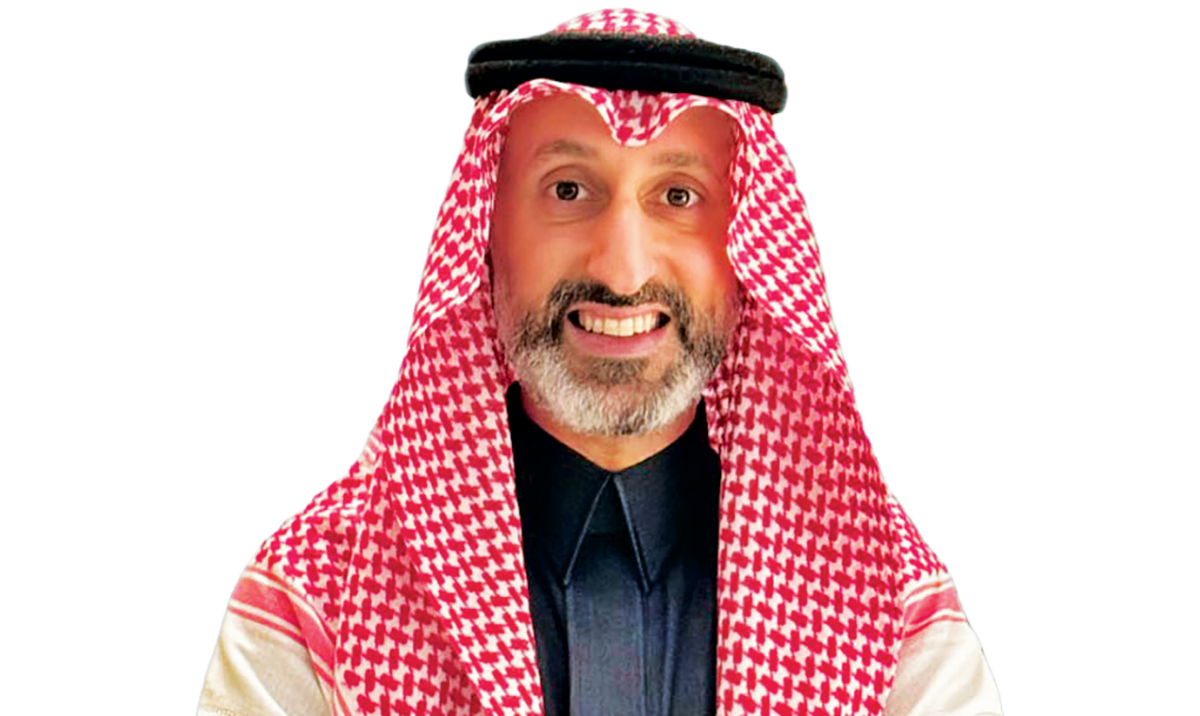
Ali Abussaud, founder and CEO of HALA Capital
Abussaud says they initially rejected startups because the numbers did not align with established expectations. Their approach changed only when they shifted their focus to founders and long-term vision.
Between 2016 and 2019, HALA and its partners invested their own capital into 12 startups before formalizing the model.
AI at early stage
HALA views the regional AI market as still at its foundation stage. “The market has not really started yet,” Abussaud says, warning that many founders present offerings that are not genuine AI but simple integrations with external large language models.
He argues the market needs original, regionally tailored models.
Logistics innovation
In logistics — “one of the biggest sectors we have,” he says — founders often misstep by attempting to compete directly with legacy operators in first- and last-mile delivery.
HALA instead prioritizes models that “invent something” new and collaborate with incumbents through frameworks such as offtake agreements.
What founders must deliver
Abussaud urges founders to approach investors with research and honesty. “At least do some research about us, about what we do, about what we focus on,” he says.
Founders should avoid “overselling” or presenting a “perfect product.” Instead, he advises them to “just be yourself” and openly discuss challenges and uncertainties.
HALA Capital’s CMA license represents an expansion of its capabilities and long-term mission.
Transparency enables investors to provide relevant guidance, introductions and support.
His preferred founder profile is “stubborn, but at the same time coachable.” He avoids both extremes: founders who resist all feedback and those who accept every suggestion without conviction.
Skills balance is crucial — strong selling ability, relevant work experience and, for deep-tech companies, technical expertise.
Defining a Saudi startup
As more international founders target the Kingdom, HALA Capital has tightened its definition of what counts as a Saudi startup.
A company qualifies if it has a headquarters or established operations in the Kingdom, regardless of the founders’ nationalities.
An Egyptian-founded business with a relocated team and Saudi Arabia as its primary market qualifies.
What does not qualify are startups that “want money in order to expand to Saudi Arabia.”
For HALA, a Saudi startup “has to be today,” with active operations, commercial registration and the ability to sell locally.
“It’s not the kind of market where you think you can do it remotely,” he says.
On-the-ground presence, local sales teams and Saudi employees — especially for government B2B work — are essential.