HAVANA: Top law enforcement officials in Cuba said on Thursday the island was prioritizing the fight against narcotics trafficking in the Caribbean and continued to provide information to the US Coast Guard amid escalating tensions and surging US military presence in the region.
Cuba and the United States in 2017 agreed to cooperate in the fight against drug trafficking, but Col. Ybey Carballo, chief of Cuba’s Border Guard, told reporters in Havana formal engagement between the two long-time rival nations had ended under the second administration of US President Donald Trump.
Carballo said Cuba nonetheless routinely provides the US Coast Guard with intelligence, locations, routes and characteristics of boats suspected of trafficking drugs near its waters.
“Cuba is not a black hole like some like to say,” said Carballo, adding that the island’s proactive approach contributed both to the security of the region and “especially to that of the United States, because the boats are often headed (there).”
Carballo said Cuba had provided more than 1,500 tips and intelligence on drug traffickers to the US Coast Guard between 1990 and November 30, 2025, proof, he said, of the island’s long-standing commitment to fighting the drug trade.
Cuba sits directly astride a key route between major drug producers in South America and top consumer, the United States, and the US State Department as recently as 2016 said the island “is not a major consumer, producer or transit point of illicit narcotics.”
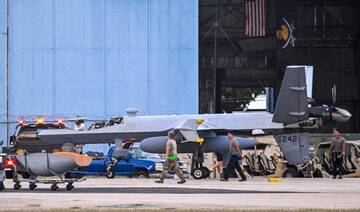
The Trump administration has launched an offensive on alleged drug-trafficking boats elsewhere in the Caribbean and Pacific in recent months, killing dozens through targeted missile strikes while accusing Venezuelan President Nicolas Maduro, a key Cuba ally, of profiting from the trade.
Cuba has criticized those attacks and accuses the US of seeking a violent overthrow of the Venezuelan government.
Carballo told Reuters that Cuban security forces had not noticed a dramatic change in drug-running activity around Cuba despite the surging US military activity and strikes.


![]()

Cuba says island is no ‘black hole’ on drug trafficking route to US

Short Url
https://arab.news/ycnu6
Cuba says island is no ‘black hole’ on drug trafficking route to US
- Cuba and the United States in 2017 agreed to cooperate in the fight against drug trafficking
- The Caribbean island sits directly astride a key route between major drug producers in South America and the US

Latest updates


© 2026 SAUDI RESEARCH & PUBLISHING COMPANY, All Rights Reserved And subject to Terms of Use Agreement.