‘Flavors of UAE’ brings Emirati food, music and heritage to Karachi festival

People line up to get Emirati food at the World Culture Festival hosted by the Arts Council of Pakistan, in Karachi, Pakistan, on December 3, 2025. (AN Photo)
Short Url
Updated 04 December 2025
Follow

‘Flavors of UAE’ brings Emirati food, music and heritage to Karachi festival

  • Event held alongside UAE National Day celebrations, marking decades of cultural and diaspora ties
  • Officials say people-to-people exchanges strengthen a relationship rooted in shared heritage and history

KARACHI: Karachi celebrated the United Arab Emirates’ culture, cuisine and heritage this week at the World Culture Festival hosted by the Arts Council of Pakistan, where Sindh officials and Emirati diplomats said cultural exchanges were a way of deepening ties between the two nations.

The evening on Wednesday coincided with the UAE’s 54th National Day, known as Eid Al-Etihad and observed annually on Dec. 2, and featured Emirati dishes, music and traditional dance as part of the festival’s second edition.

Pakistan and the UAE have maintained close diplomatic and economic relations for decades, including extensive labor, trade and cultural links.

“The relationship between the UAE and Pakistan goes a long way. Every year, we collaborate with the Arts Council to further that [relationship],” Dr. Bakheet Ateeq Alrehmeithi, Consul General of the UAE in Karachi, told Arab News.
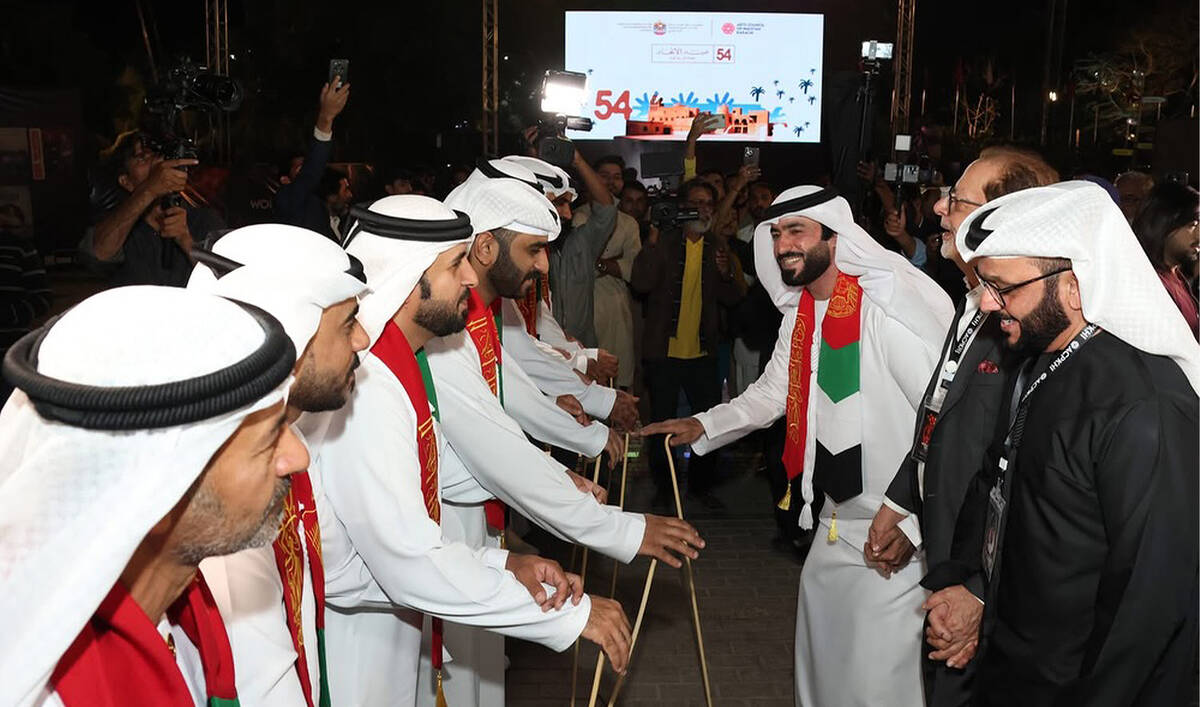


Consul General of the UAE in Karachi, Dr. Bakheet Ateeq Alrehmeithi (first from right), performing traditional dance at the World Culture Festival hosted by the Arts Council of Pakistan, in Karachi, Pakistan, on December 3, 2025. (PNCA)

He added that the showcase included cultural artifacts, traditional Emirati sweets and live performances.

A UAE-based chef, Mainuddin, prepared around half a dozen dishes for attendees alongside a local team of assistants. The spread included balaleet, a sweet vermicelli dish served with egg, chebab, an Emirati version of soft pancakes, khobesa, and harees, a traditional preparation brought back “on popular demand,” according to Sindh Culture Minister Syed Zulfiqar Ali Shah.

“Sheikh Zayed bin Sultan Al Nahyan and Shaheed Zulfiqar Ali Bhutto shared a very cordial relationship,” Shah said, noting similarities in cultural traditions and referring to the UAE’s founding president and Pakistan’s former prime minister.

“And you see that the culture of the two nations is similar. Pakistanis consider people of the UAE their own and they feel the same toward Pakistanis,” he added.
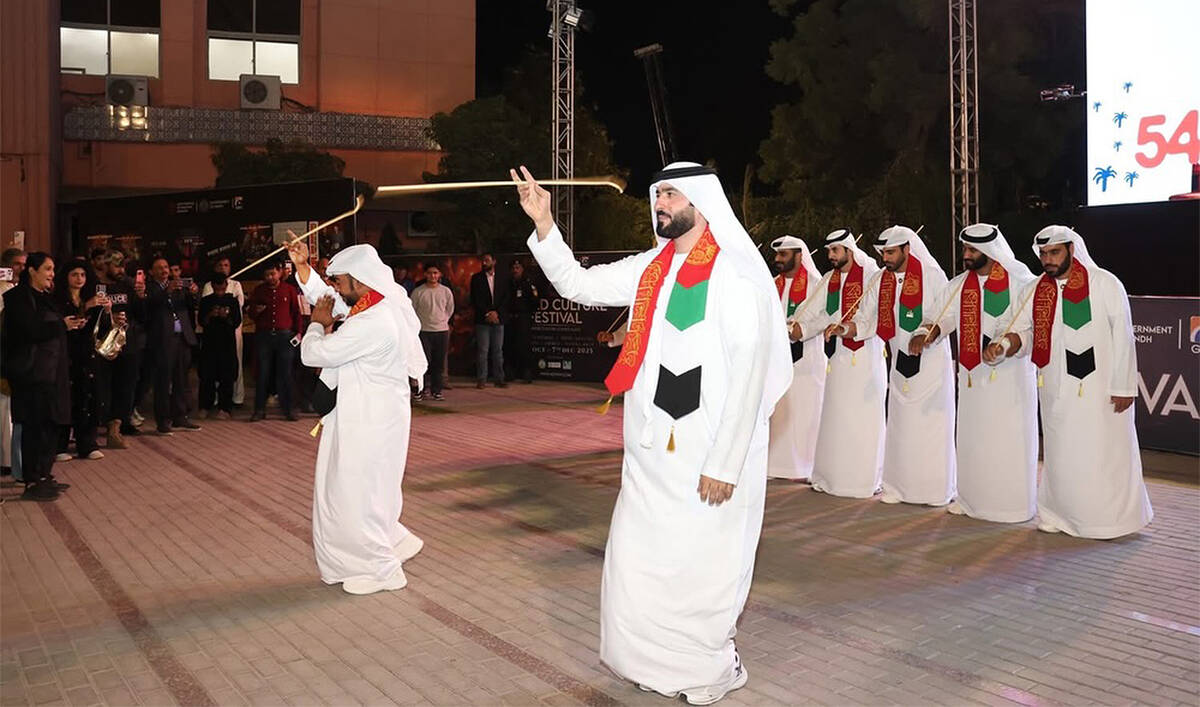


Men performing Emirati traditional dance at the World Culture Festival hosted by the Arts Council of Pakistan, in Karachi, Pakistan, on December 3, 2025. (PNCA)

The minister said celebrations such as these offered a counter-narrative to conflict elsewhere:

“It is giving out a soft image of both the countries. Where you see war and conflict [across the world], the culture of Pakistan and the UAE sends out the message of love and peace.”

Guests also sampled regag, a thin Emirati flatbread served fresh with fillings such as eggs, cheese, honey and Nutella. Traditional stick dance performances and music closed the evening.

Warm food, music and a winter Karachi evening drew a large audience, reflecting ties between the two nations that continue beyond government diplomacy, into community, cuisine and shared celebration.

Arts Council President Mohammad Ahmed Shah said cultural partnerships help reinforce people-to-people links, noting the UAE’s role as a destination for more than a million Pakistani workers.

“Over a million Pakistanis work in the UAE and are a part of our economic prosperity,” he said.

“Pakistan has both economic as well as cultural interests in the UAE as Pakistanis make up a huge population of the UAE. Hence, these cultural exchanges are really important.”
Pakistan reviews austerity measures amid Middle East crisis, urges strict nationwide implementation

Updated 11 March 2026
Follow

Pakistan reviews austerity measures amid Middle East crisis, urges strict nationwide implementation

  • Deputy Prime Minister Ishaq Dar chairs review meeting of austerity steps
  • Officials briefed on salary cuts, school closures, four‑day week, petrol conservation

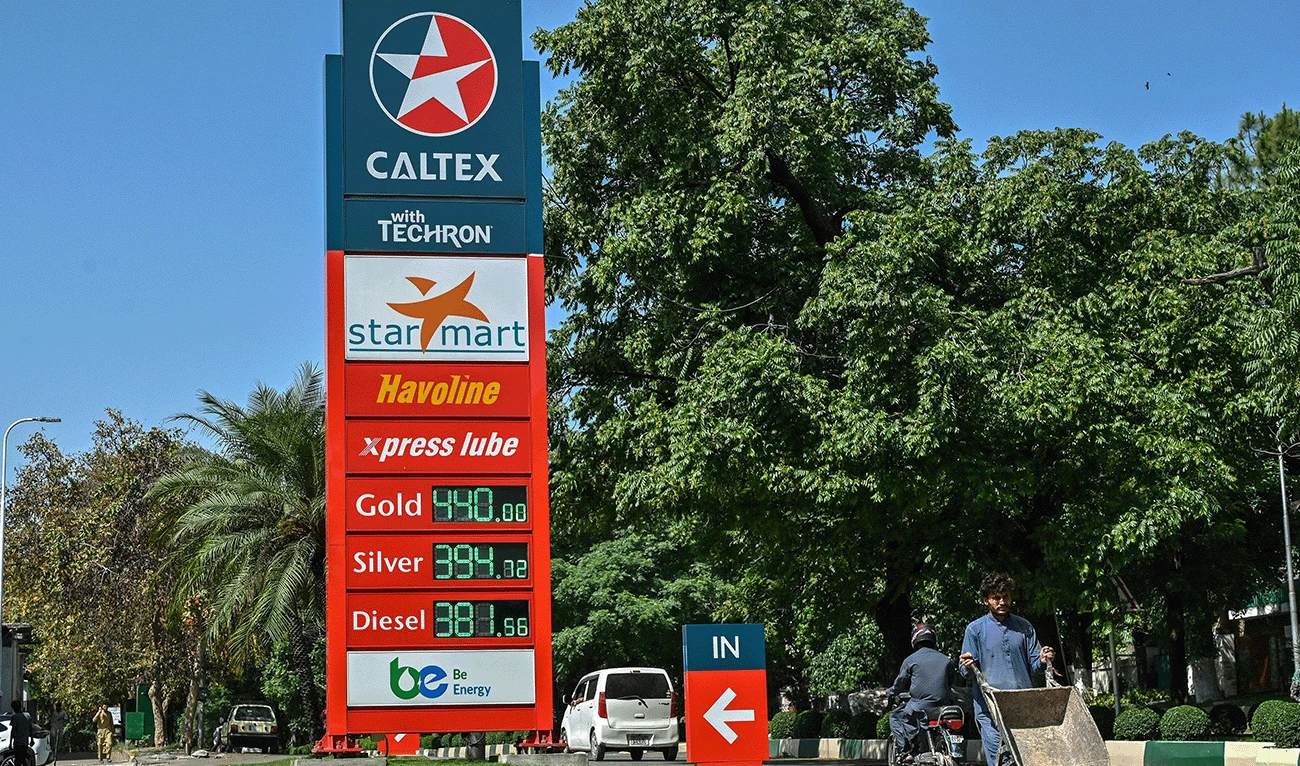
ISLAMABAD: Pakistan’s government on Wednesday assessed progress on a sweeping set of austerity measures introduced to mitigate the country’s economic strain from sharply rising global oil prices and supply disruptions linked to the ongoing war in the Middle East.

Prime Minister Shehbaz Sharif this week announced a series of austerity steps, including a four‑day work week for government offices, requiring 50  percent of staff to work from home, cutting fuel allowances for official vehicles by half, grounding up to 60  percent of the government fleet and closing all schools for two weeks to conserve fuel amid the global oil crisis.

The measures were unveiled in response to global oil market volatility triggered by the conflict involving the United States, Israel and Iran, which has disrupted supply routes such as the Strait of Hormuz and pushed crude prices sharply higher, straining Pakistan’s heavily import‑dependent energy sector.

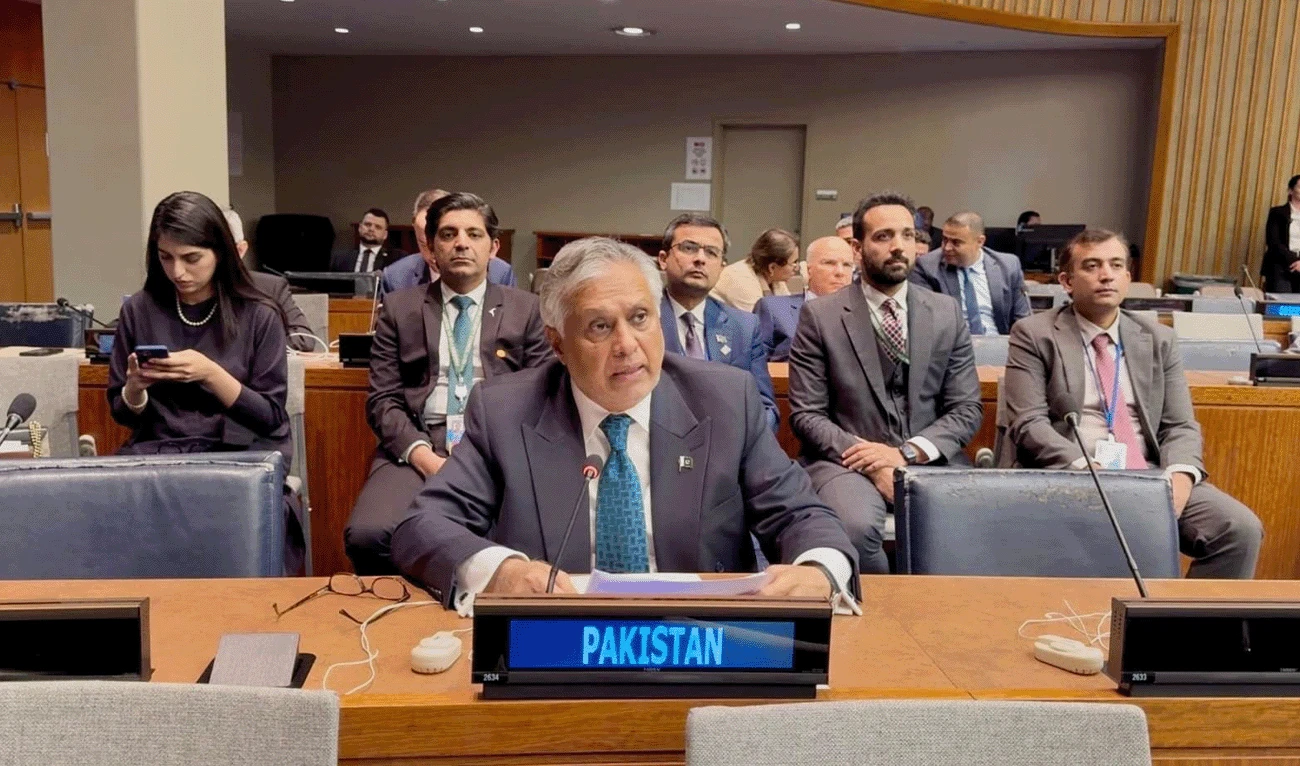
“The meeting stressed the importance of strict and transparent adherence to the austerity measures, promoting fiscal responsibility and prudent use of public resources,” Deputy Prime Minister and Foreign Minister Senator Mohammad Ishaq Dar said in a statement.

He was chairing a meeting of the Committee for Monitoring and Implementation of Conservation and Additional Austerity Measures, constituted under the directions of the PM, bringing together federal and provincial officials to review execution of the broad cost‑cutting plan. 

Dar emphasized the government’s commitment to enforcing the PM’s austerity steps nationwide. The committee’s review also covered reductions in departmental expenditure, deductions from salaries of senior officials earning over Rs. 300,000 ($1,120), and coordination with provincial administrations to ensure uniform implementation of the plan.

Participants at the meeting reiterated that all ministries and divisions must continue strict monitoring and reporting, with transparent oversight mechanisms, as Pakistan navigates the economic pressures from the prolonged Middle East crisis and its fallout on global energy and trade markets.