

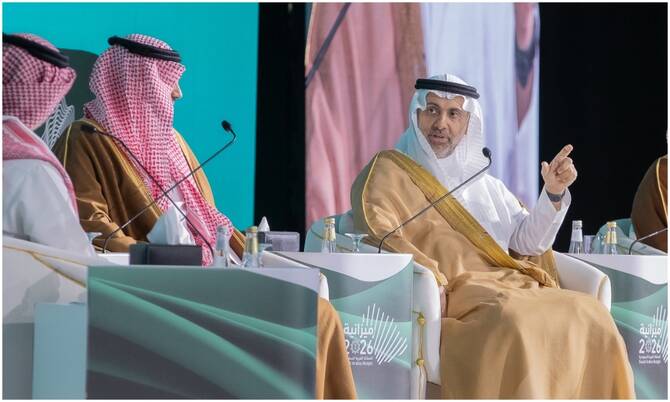

RIYADH: Life expectancy in Saudi Arabia rose to 79.7 years in 2025, up from 74 in 2016, Health Minister Fahd Al-Jalajel said, as the Kingdom rolls out its latest plans for the health sector.
The increase in life expectancy was one of the most significant anywhere in the world for the period and one of the clearest outcomes of the government’s investment under Vision 2030, Al-Jalajel said at a ministers meeting during the 2026 Budget Forum in Riyadh.
Next year’s budget represented a significant step forward that would allow the health system to fulfill its commitments from 2025 and enhance nationwide access and outcomes, he said.
Al-Jalajel shared data showing how traffic-related mortality has dropped by 60 percent since 2016, while deaths linked to infectious diseases have been reduced by half.
Mortality from noncommunicable diseases, once the leading cause of death worldwide, has decreased by 40 percent, while deaths from unintentional injuries have fallen by 30 percent in the period.
“These changes reflect the impact of early detection programs, expanded preventive services and stronger nationwide coverage,” the minister said.
Healthcare coverage now spanned 97.4 percent of the Kingdom, he said.
Since the start of the year government hospitals have added more than 1,700 beds and the private sector about 2,900. The Saudi Red Crescent has cut average emergency response times from 25 minutes in 2016 to just 10 minutes this year.
Al-Jalajel said the nation’s surgical capacity had risen from 6,000 to 12,000 weekly operations, which had enabled 90 percent of surgeries to meet national timing standards, up from 60 percent in 2016.
The health sector would continue to enhance service sustainability, expand access and build capabilities in 2026 to support the country’s goal of becoming a regional and global health destination, he said.


