
LONDON: Just days after the paramilitary Rapid Support Forces seized El-Fasher in Sudan’s Darfur region in late October, the International Criminal Court said it was gathering evidence of alleged mass killings, rapes and other abuses committed during the takeover.
To that end, ICC prosecutors urged “all individuals and organizations engaged in the pursuit of justice and accountability” to submit any information related to recent or past events in El-Fasher, with a view to prosecute those responsible.
But with an information blackout in North Darfur’s capital and mounting reports of atrocities since the RSF advance, are the victims and their families likely to ever obtain justice?
Yosra Sabir, a Sudanese journalist and writer, said sustained documentation is an essential tool, both for accountability and the prevention of future abuses.
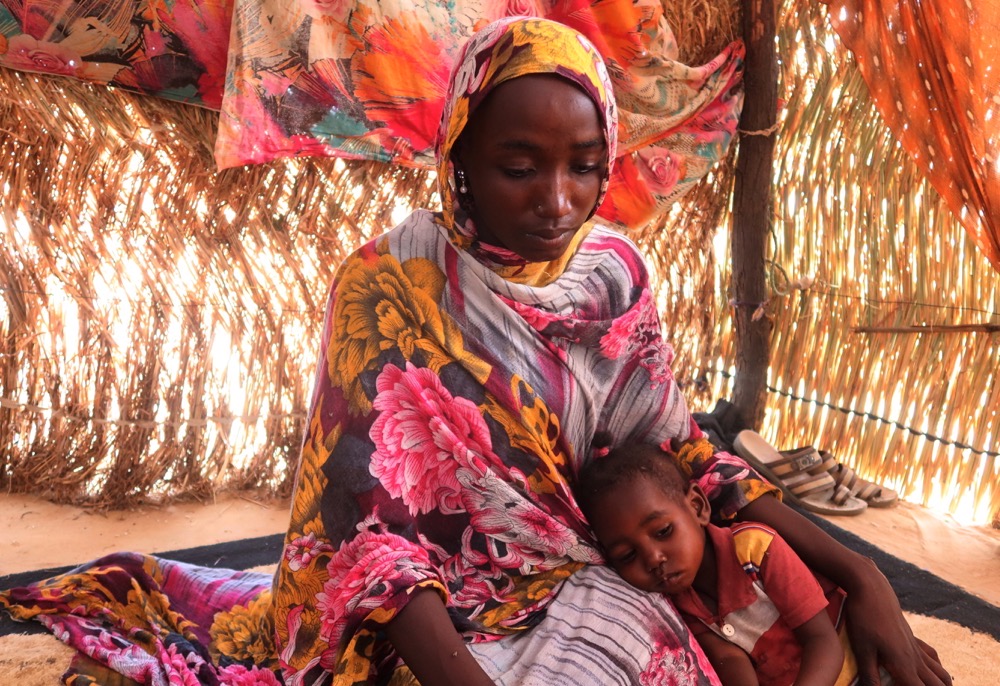
“The pattern of ethnic targeting is very clear, and it’s not new,” Sabir said. (Reuters/File)
“Without documentation, justice cannot be achieved — be it through future criminal justice processes or transitional justice, using local remedies or international instruments,” she told Arab News.
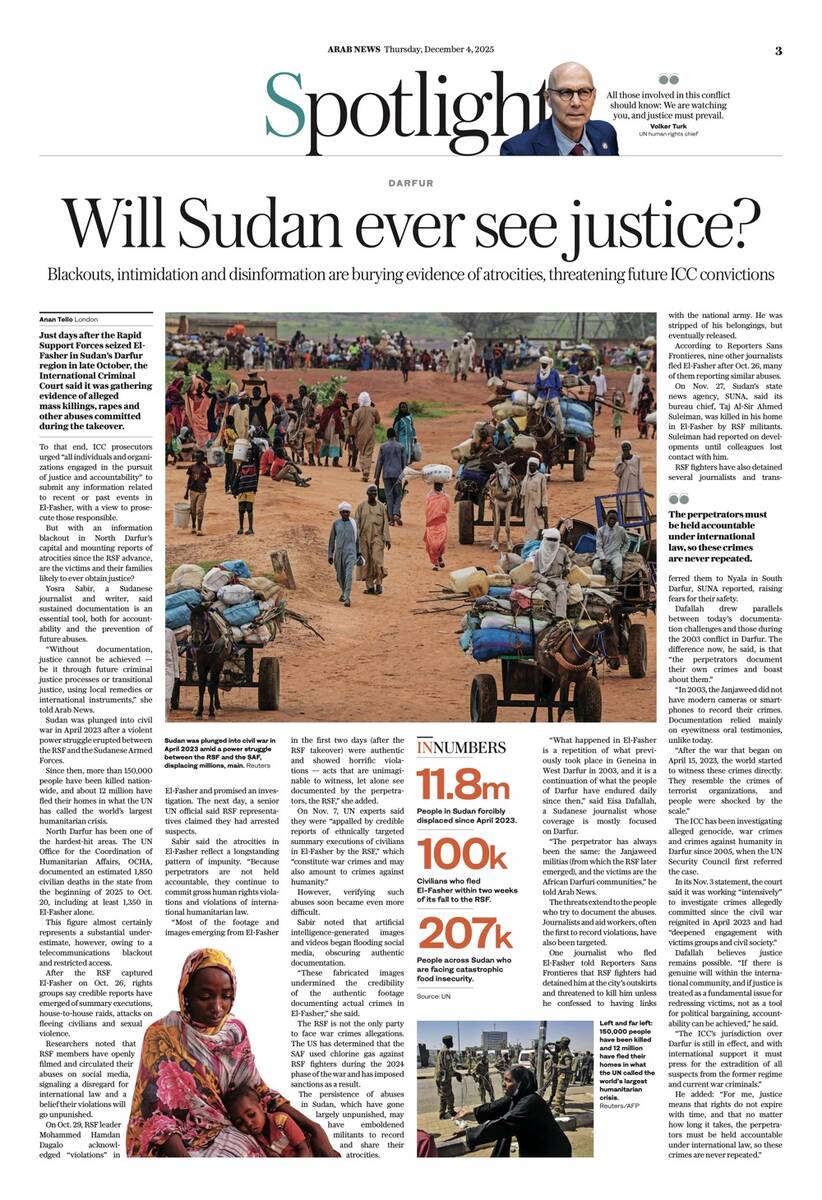
Sudan was plunged into civil war in April 2023 after a violent power struggle erupted between the RSF and the Sudanese Armed Forces.
Since then, more than 150,000 people have been killed nationwide, and about 12 million have fled their homes in what the UN has called the world’s largest humanitarian crisis.
North Darfur has been one of the hardest-hit areas. The UN Office for the Coordination of Humanitarian Affairs, OCHA, documented an estimated 1,850 civilian deaths in the state from the beginning of 2025 to Oct. 20, including at least 1,350 in El-Fasher alone.
This figure almost certainly represents a substantial underestimate, however, owing to a telecommunications blackout and restricted access.
After the RSF captured El-Fasher on Oct. 26, rights groups say credible reports have emerged of summary executions, house-to-house raids, attacks on fleeing civilians and sexual violence.
Satellite imagery analyzed by the Yale School of Public Health’s Humanitarian Research Lab supported those accounts, showing objects consistent with human bodies near RSF vehicles and reddish earth discoloration identified as blood.
Researchers noted that RSF members have openly filmed and circulated their abuses on social media, signaling a disregard for international law and a belief their violations will go unpunished.
On Oct. 29, RSF leader Mohammed Hamdan Dagalo acknowledged “violations” in El-Fasher and promised an investigation. The next day, a senior UN official said RSF representatives claimed they had arrested suspects.

The use of chemical weapons is strictly prohibited under international law. (Reuters/File)
A BBC report highlighted that “it is not clear how much control the RSF leadership has over its foot soldiers, a loose mix of hired militias, allied Arab groups and regional mercenaries.”
Sabir said the atrocities in El-Fasher reflect a longstanding pattern of impunity. “Because perpetrators are not held accountable, they continue to commit gross human rights violations and violations of international humanitarian law.
“Most of the footage and images emerging from El-Fasher in the first two days (after the RSF takeover) were authentic and showed horrific violations — acts that are unimaginable to witness, let alone see documented by the perpetrators, the RSF,” she added.
On Nov. 7, UN experts said they were “appalled by credible reports of ethnically targeted summary executions of civilians in El-Fasher by the RSF,” which “constitute war crimes and may also amount to crimes against humanity.”
They also cited “widespread and systemic and sadistic levels of sexual violence as a deliberate strategy of domination and humiliation aimed at destroying communities.”
However, verifying such abuses soon became even more difficult.
INNUMBERS
• 11.8m Sudanese who have been forcibly displaced since April 2023.
• 100k Civilians who fled El-Fasher within two weeks of its fall to the RSF.
• 207k People across Sudan who are facing catastrophic food insecurity.
Source: UN
Sabir noted that artificial intelligence-generated images and videos began flooding social media, obscuring authentic documentation.
“When images and videos of these crimes began appearing online, many clearly indicating ethnic cleansing, ethnic targeting and the targeting of civilians, the RSF responded by flooding the online space with AI-generated content,” she said.
“These fabricated images undermined the credibility of the authentic footage documenting actual crimes in El-Fasher. The RSF then used this to claim that documented crimes were fake — framing it all as media warfare.”
The violence has not been confined to Darfur. At the same time as the El-Fasher takeover, the RSF reportedly carried out deadly attacks from Oct. 25-27 in Bara, northern Kordofan, immediately after SAF forces withdrew.
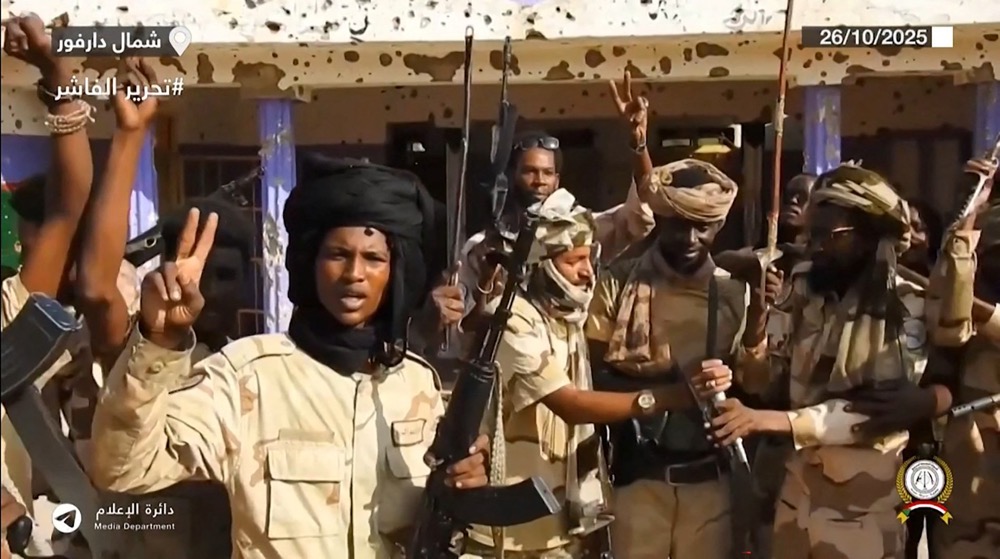
The RSF is not the only party to face war crimes allegations. (AFP/File)
“The pattern of ethnic targeting is very clear, and it’s not new,” Sabir said. “It happened in Geneina at the beginning of the conflict, it happened in Jazira state in central Sudan when the area was under RSF control.”
In Jazira, she added, documentation was nearly impossible due to an internet shutdown. “There was no digital evidence — only testimonies. And even testimonies were hard to collect because the RSF also controlled telecom services at that time.”
Similar constraints are now hindering documentation in El-Fasher and Bara, where survivors often cannot speak until they reach safety.
The RSF is not the only party to face war crimes allegations. The US has determined that the SAF used chlorine gas against RSF fighters during the 2024 phase of the war and has imposed sanctions as a result.
The use of chemical weapons is strictly prohibited under international law. Sudan’s SAF-run de facto authorities have denied the accusation and condemned the measures as politically motivated.
The persistence of abuses in Sudan over recent decades, which have gone largely unpunished, may have emboldened militants today to record and share their atrocities.
“What happened in El-Fasher is a repetition of what previously took place in Geneina in West Darfur in 2003, and it is a continuation of what the people of Darfur have endured daily since then,” said Eisa Dafallah, a Sudanese journalist whose coverage is mostly focused on Darfur.
“The perpetrator has always been the same: the Janjaweed militias (from which the RSF later emerged), and the victims are the African Darfuri communities,” he told Arab News.
He noted that the same groups, now reconstituted as the RSF, “committed similar atrocities in 2003 against the indigenous African groups, backed at the time by the regime of ousted President Omar Bashir.”
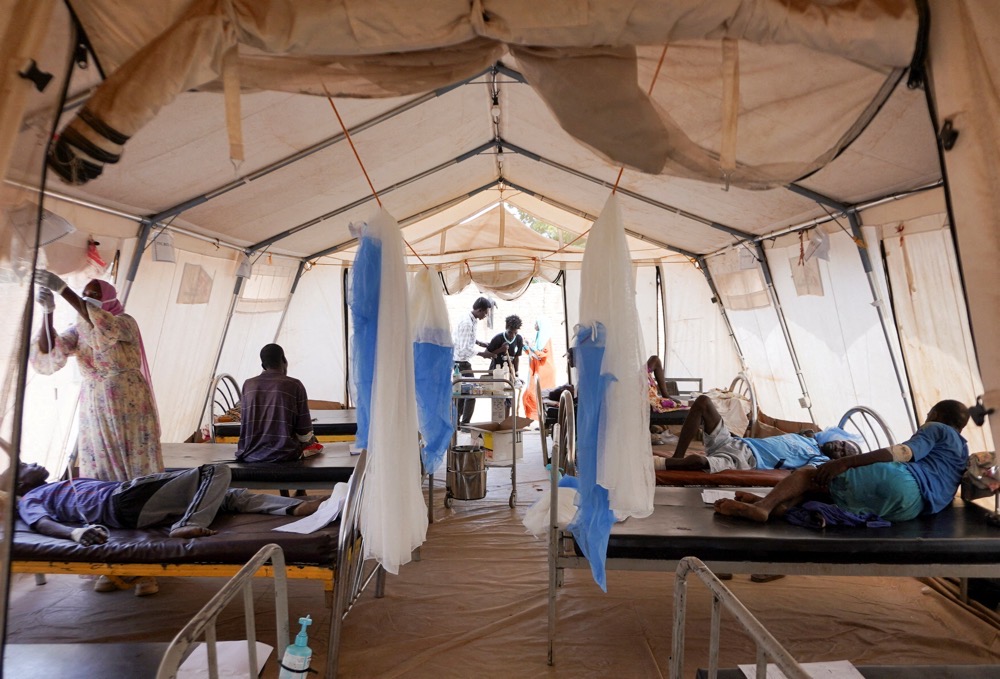
“El-Fasher is under unprecedented attack.” (Reuters/File)
The threats extend to the people who try to document the abuses. Journalists and aid workers, often the first to record violations, have been targeted alongside civilians who were important sources for media outlets.
One journalist who fled El-Fasher told Reporters Sans Frontieres that RSF fighters had detained him at the city’s outskirts, beat and humiliated him, and threatened to kill him unless he falsely confessed to having links with the national army.
He was stripped of his belongings, including his phone, but eventually released. A five-day trek through scorched terrain followed, marked by hunger, thirst and constant threats from paramilitaries.
According to Reporters Sans Frontieres, nine other journalists fled El-Fasher after Oct. 26, many of them reporting similar abuses.
On Nov. 27, Sudan’s state news agency, SUNA, said its bureau chief, Taj Al-Sir Ahmed Suleiman, had been killed in his home in El-Fasher by RSF militants. Suleiman had reported on developments until colleagues lost contact with him during the takeover.
RSF fighters have also detained several journalists and transferred them to Nyala in South Darfur, SUNA reported, raising fears for their lives and further undermining documentation efforts.
The erosion of press freedoms has already taken a toll.
A local journalist told the Committee to Protect Journalists that independent coverage in North Darfur has been significantly weakened. He described Suleiman as a vital source of verified information during the 18-month siege preceding El-Fasher’s fall.
Many Sudanese journalists believe documentation is now more important than ever.
Dafallah, who is based in Uganda’s capital Kampala, said he first learned of El-Fasher’s final hours from a WhatsApp message sent by his cousin trapped inside. “El-Fasher is under unprecedented attack. Pray for us,” the message read.
Hours later, the RSF claimed control of the city.
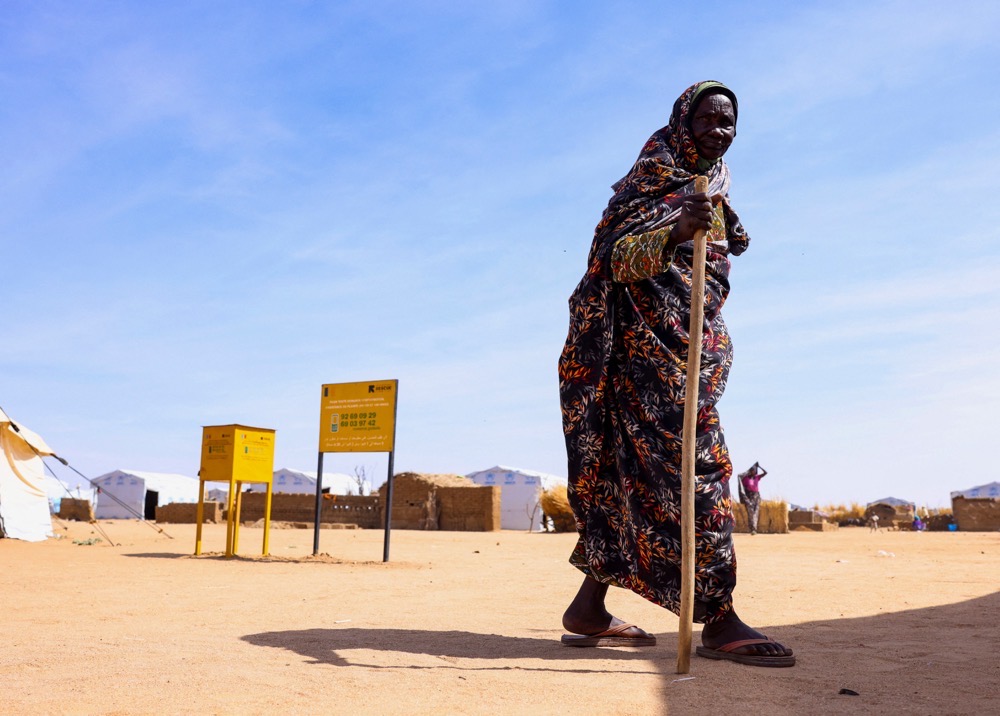
The erosion of press freedoms has already taken a toll. (Reuters/File)
Dafallah drew parallels between today’s documentation challenges and those during the 2003 conflict in Darfur. The difference now, he said, is that “the perpetrators document their own crimes and boast about them.”
“In 2003, the Janjaweed did not have modern cameras or smartphones to record their crimes. Documentation relied mainly on eyewitness oral testimonies, unlike today.
“After the war that began on April 15, 2023, the world started to witness these crimes directly. They resemble the crimes of terrorist organizations, and people were shocked by the scale.”
The ICC has been investigating alleged genocide, war crimes and crimes against humanity in Darfur since 2005, when the UN Security Council first referred the case.
In its Nov. 3 statement, the court said it was working “intensively” to investigate crimes allegedly committed since the civil war reignited in April 2023 and had “deepened engagement with victims groups and civil society.”
The roots of the recent violence stretch back two decades. In 2003, rebels in Darfur launched an uprising against the Khartoum government, led by Bashir, over their perceived political and economic marginalization.
The government and allied Janjaweed militias responded with mass killings, the burning of villages and widespread sexual violence, displacing hundreds of thousands, according to Human Rights Watch.
Before the RSF takeover on Oct. 26, civilians in El-Fasher endured 18 months under siege, enduring starvation and repeated shelling while largely cut off from communications.
Those who managed to stay in touch with news agencies offered a rare window on the suffering imposed there.
Among them were doctors Omar Selik and Adam Ibrahim Ismail, community leader Sheikh Moussa, and activist Mohamed Issa; all of whom played a crucial but anonymous role in documenting the war.
All have since been killed, AFP reported in a Nov. 10 article commemorating their contributions.
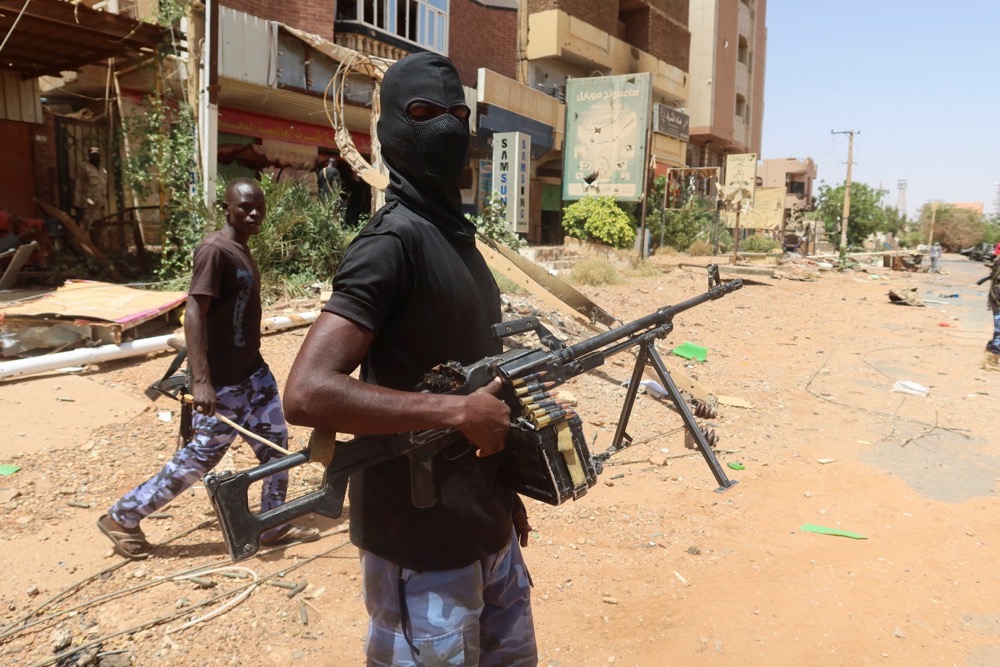
The persistence of abuses in Sudan over recent decades, which have gone largely unpunished, may have emboldened militants today to record and share their atrocities. (Reuters/File)
Ismail, who worked at the Saudi Maternity Hospital, was reportedly detained by RSF militants on Oct. 26 and shot dead the next day, according to the Sudan Doctors Network.
The hospital, the last functioning medical facility in El-Fasher, reportedly came under RSF attack. At least 460 patients and their companions were killed, and six medics abducted, the World Health Organization said on Oct. 28.
Selik, a medic who became a key source for journalists worldwide, witnessed the collapse of El-Fasher’s health system before his death. He had evacuated his family but stayed behind to treat patients.
Sheikh Moussa, displaced 22 years ago by the Janjaweed militia, spent the rest of his life in refugee camps.
Issa had fled the famine-hit Abu Shouk displacement camp shortly before his death. At 28, after months of crossing front lines to deliver food, water and medicine to trapped families, he, too, was killed.
Meanwhile, the carnage in El-Fasher continues.
“Unfortunately, the crimes are still ongoing. Every day we lose dozens of people at the hands of the RSF across various parts of Darfur,” Dafallah said.
These alleged crimes are part of a broader effort to depopulate indigenous communities and replace them with Arab groups from Chad, Mali, Niger and the Central African Republic, he added.
Even so, Dafallah believes justice remains possible. “If there is genuine will within the international community, and if justice is treated as a fundamental issue for redressing victims, not as a tool for political bargaining, accountability can be achieved,” he said.
“The ICC’s jurisdiction over Darfur is still in effect, and with international support it must press for the extradition of all suspects from the former regime and current war criminals.”
He added: “For me, justice means that rights do not expire with time, and that no matter how long it takes, the perpetrators must be held accountable under international law, so these crimes are never repeated.”
Sabir is also cautiously hopeful. “Justice has not been served for victims of earlier conflicts in Sudan,” she said.
“But the recent ICC verdict against Ali Kushayb for crimes committed in the early 2000s offers some hope that international mechanisms may one day bring justice to those who have been killed, raped, violated and forcibly displaced.”
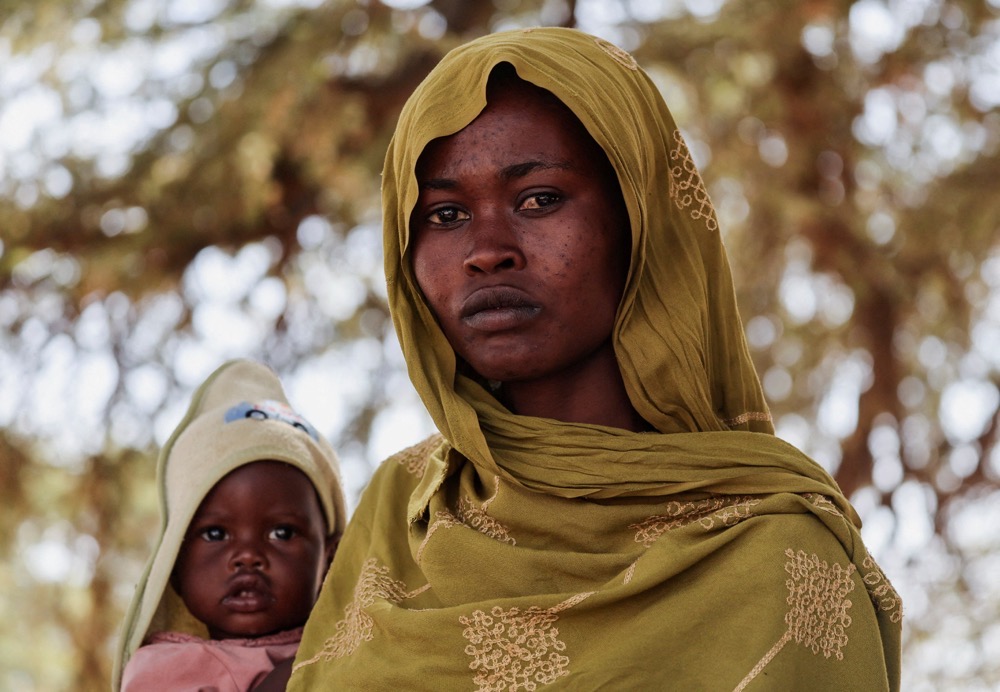
North Darfur has been one of the hardest-hit areas. (Reuters/File)
Indeed, in a landmark Oct. 6 verdict, ICC judges convicted former Janjaweed leader Ali Mohammad Ali Abd-Al-Rahman, known as Ali Kushayb, on 27 charges of war crimes and crimes against humanity for atrocities committed in West Darfur in 2003 and 2004.
Sabir stressed that “political will is also essential — both among Sudanese actors and within a future Sudanese state — to achieve justice for victims and end this vicious cycle of impunity, war and violations.”
“Justice for victims of the wars in Sudan, not only now but dating back to the early 2000s, is long overdue.”