

How Gaza trauma could linger in Palestinian DNA long after the bombing stops

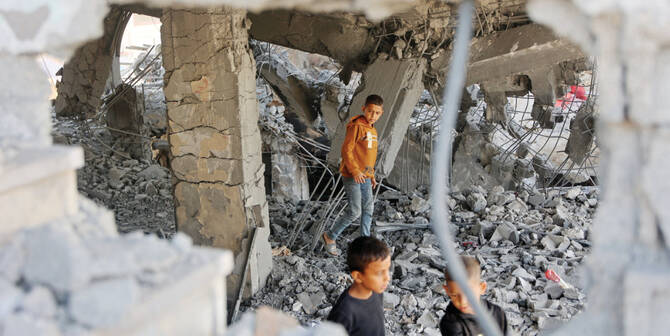
The discovery that ‘epigenetic changes’ are able to carry generationally could reshape conversations around postwar recovery and rehabilitation. (AFP)
Short Url
Updated 23 November 2025
Follow

How Gaza trauma could linger in Palestinian DNA long after the bombing stops

  • New research shows trauma can alter DNA, leaving “epigenetic signatures” that may pass from one generation to the next
  • Researchers warn Gaza’s pregnant women may pass stress-related genetic marks to their babies, shaping future health

DUBAI: Surveying the landscape of Gaza after two years of Israeli bombardment, it is clear the damage inflicted on the Palestinian enclave will take decades to repair. The wounds sustained by civilians, both mental and physical, will likewise last a lifetime.

However, new research suggests the scars of the conflict may be felt by generations who have not even been born yet, with the effects of trauma shaping the very DNA of Gazans themselves, leaving a genetic footprint on the Palestinian people.

According to a paper by an international team of researchers titled “Epigenetic signatures of intergenerational exposure to violence in three generations of Syrian refugees,” trauma can edit our genome, altering how our bodies adapt to our environment.

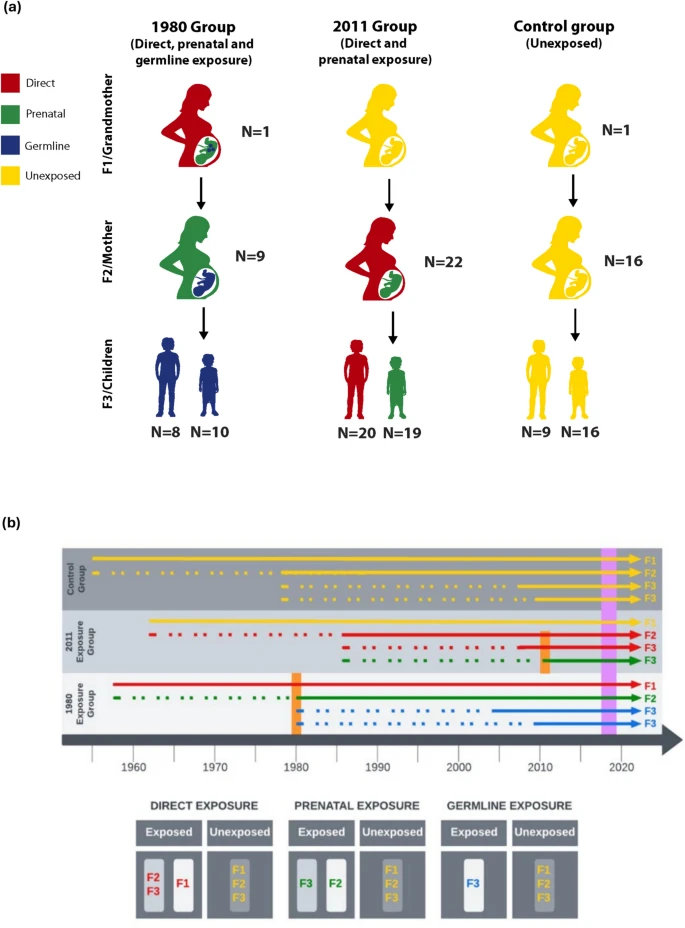
“We know usually that epigenetic signatures are erased every generation,” Rana Dajani, professor of genetics and molecular biology at the Hashemite University of Jordan, who led the research, told Arab News.

“But what we found is that 14 sites of the genome were altered as a result of a grandmother’s exposure to violence had been passed through to her grandchildren, who themselves were not exposed to violence at all.”


Caption

Epigenetics works like a light switch for genes, with DNA working like a big instruction manual. If we imagine each gene as a light bulb, epigenetics does not change the light bulbs but instead controls which ones are turned on or off.

Even if a child has not been exposed to conflict, Dajani says signatures of the violence can continue to linger in their genetic code from past generations, impacting the way their bodies react to their environment — or which genes are switched on and off based on various stimuli.

This means that the grandchildren of someone who has experienced conflict may be at risk of developing the same vulnerabilities as someone who has directly suffered trauma in their lifetime.


Professor Rana Dajani. (Wikimedia Commons)

“We found that for women who are directly exposed to violence, 21 regions of their genome had epigenetic changes,” Dajani said.

“We have not been able to tie those to any particular health outcomes, but we already know from other research that anybody exposed to trauma in the past can demonstrate some outcomes, whether it’s mental health or cardiovascular or diabetes or even cancer.

“These kinds of results help us to really understand what the impact of the genocide in Gaza could be.”

The war in Gaza was triggered by the Oct. 7, 2023, Hamas-led attack on southern Israel, which killed 1,200 people, most of them civilians, and saw 251 taken hostage. The resulting Israeli assault on Gaza has killed at least 67,000 people, according to local health officials.
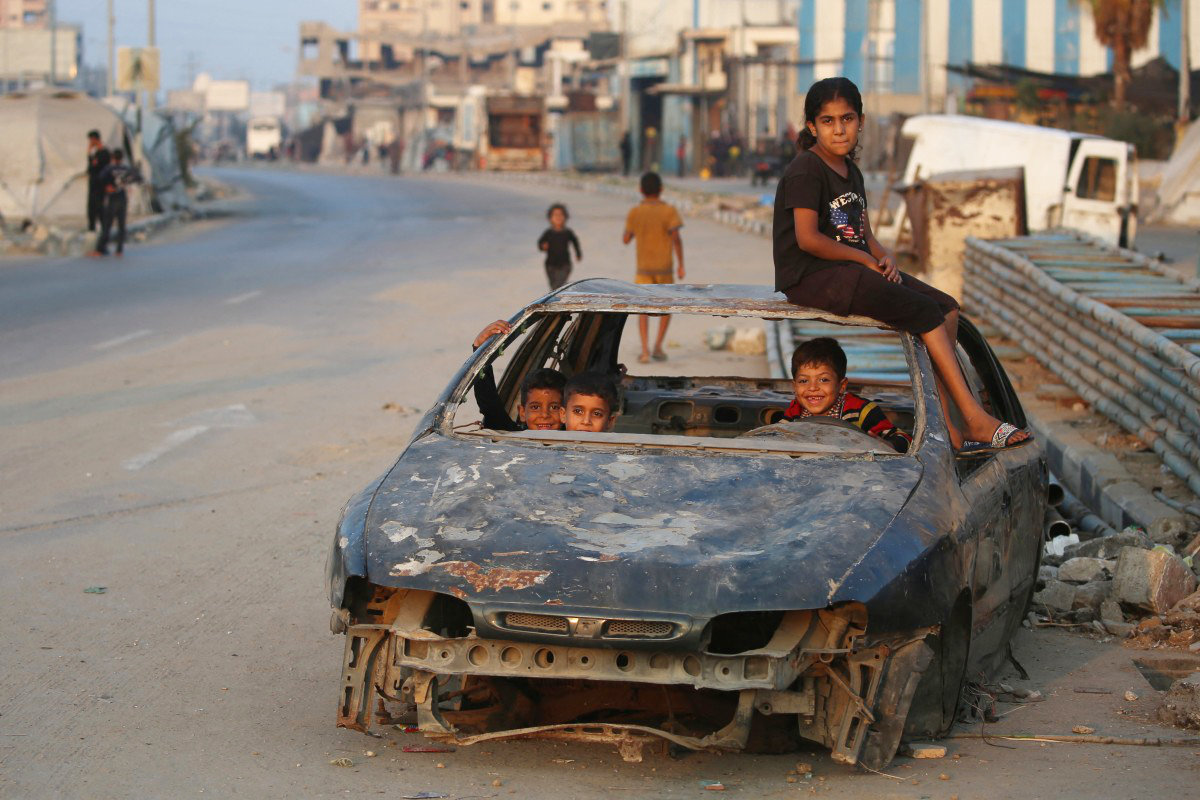


Displaced Palestinian children play in a destroyed car in the Bureij refugee camp, in the central Gaza Strip on November 10, 2025. (AFP)

Israel’s embargo on humanitarian assistance entering Gaza led to famine conditions in several areas of the enclave. The alleged use of starvation was a weapon of war prompted multiple accusations of genocide — claims that Israel vehemently denies.

A fragile ceasefire came into effect on Oct. 10, allowing humanitarian aid to flood into the territory. However, violence has continued to flare, infrastructure lies in ruins, and at least 90 percent of the population remains displaced.

Connie Mulligan, a professor in the Department of Anthropology at the University of Florida who worked with Dajani on the research, said both physical and psychological trauma could result in epigenetic signatures.

Mulligan says the impact may differ depending on the type of trauma, but these differences have yet to be explicitly mapped. Although her research focuses primarily on psychological stress, she believes physical stressors are also likely to have an impact.



Professor Connie Mulligan. (Supplied)

“Being exposed to environmental toxins will have similar but distinct impacts on the individual, including epigenetic marks, compared to psychosocial stress,” Mulligan told Arab News.

She said the “startling” discovery that epigenetic changes were able to carry generationally was important to reshaping conversations around recovery and rehabilitation. She hopes this would mark the start of a new understanding of trauma.

“Psychosocial stress sometimes gets dismissed — it’s just stress, just get over it. But what we are increasingly finding with all this research is that you can’t just get over it,” she said.

“Now we’ve got individuals who didn’t even experience it but still have a molecular signature of the event, and the question is how can they get over it? Because it’s something in there. It’s something in their epigenome.

“If we could better understand that, maybe we could better help people.”
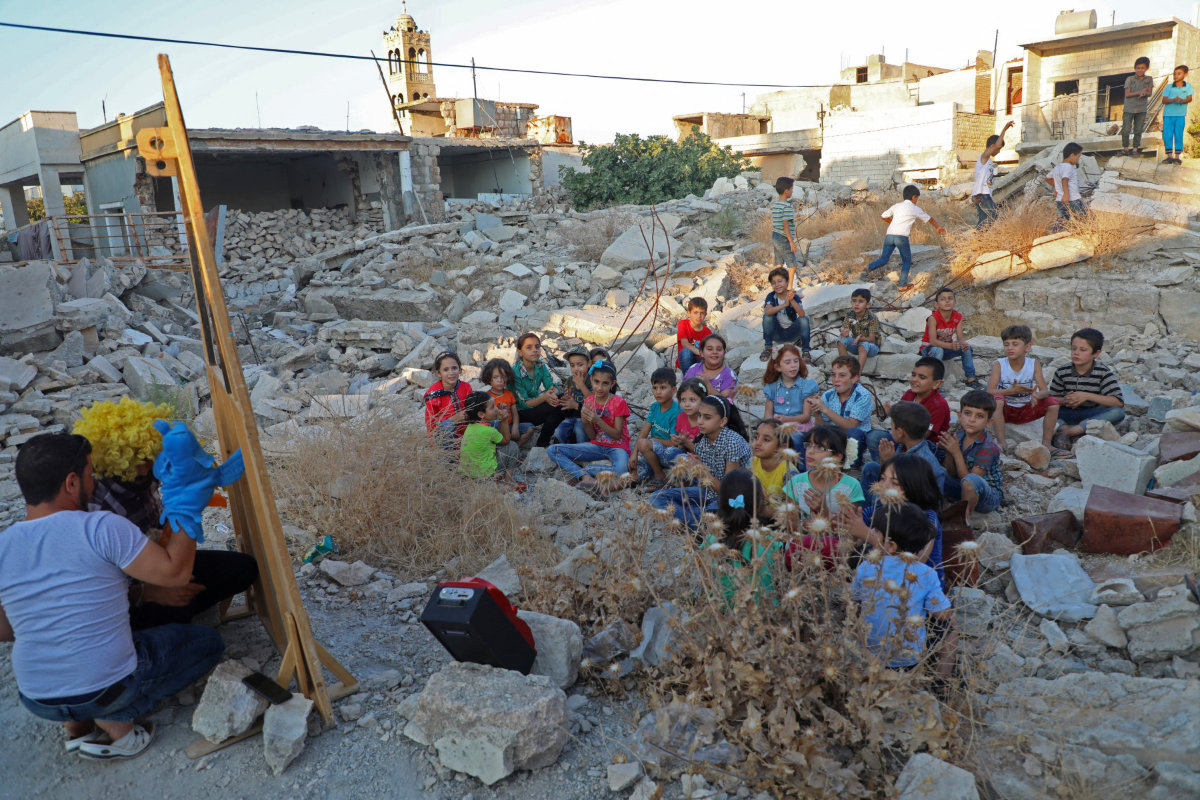


Syrian puppeteer Walid Abu Rashed performs a puppet act for children amid the rubble of damaged buildings in Syria's northwestern city of Saraqeb in the Idlib province on September 29, 2019. (AFP)

The epigenetic clock is a way of estimating a person’s biological age by looking at specific chemical changes in their DNA, rather than just counting the years since birth.

It works like a biological stopwatch that ticks based on how the body is aging at the cellular level — influenced by someone’s environment, lifestyle, including their general health, as well as stress levels.

The research also found that trauma caused a significant increase in “epigenetic ageing” in fetuses, which had “profound” health impacts on children.

“The women who were pregnant themselves who were directly exposed to the trauma did not have accelerated aging. Neither did their grandchildren. However, the child born to that mother did,” said Dajani.

“To us, this speaks to the sensitivity of the fetus in the uterus, the prenatal stage, when the fetus is actively dividing, and they are very sensitive to what the mother is exposed to.

“Now, think of the impact of that on future generations? Because if you consider the thousands of women pregnant in Gaza during the last two years, what does that mean for that generation born of mothers who experienced it all?”
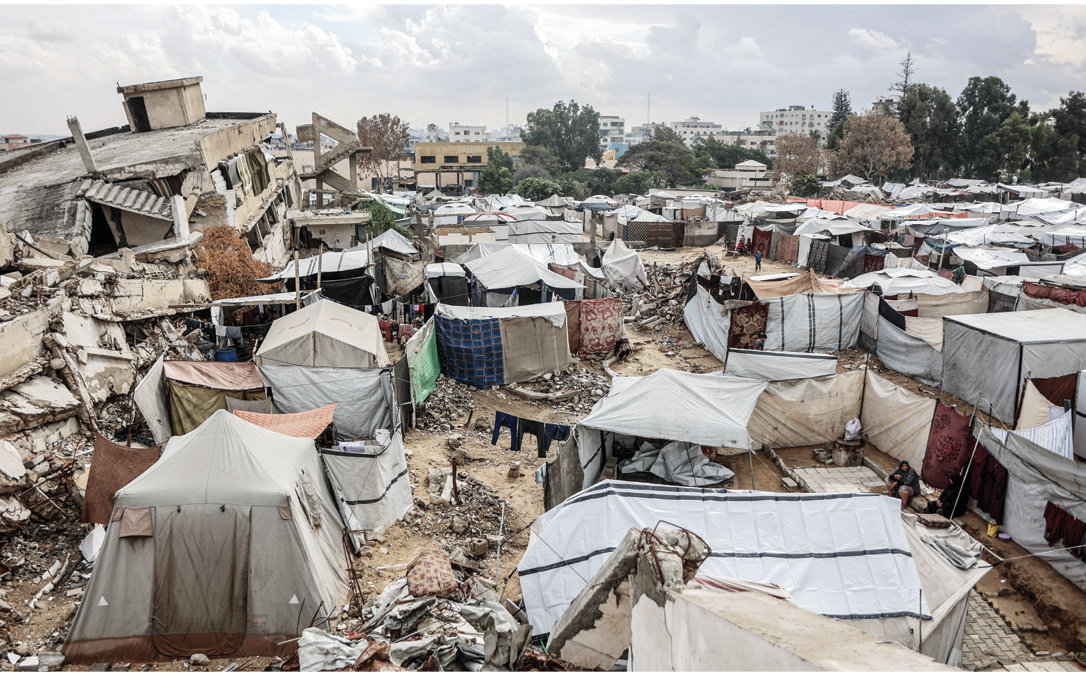


Caption

A separate study identified another notable impact that trauma in conflict appears to be having on child development.

Syrian children displaced to Lebanon who had lived experience of trauma appeared to be suffering stunted or slowed rates of biological aging.

“What we found is that the biological age of the children that experienced war was a little bit delayed compared to their chronological age,” Michael Pluess, a professor of developmental psychology at the UK’s University of Surrey, told Arab News.

“This is not where we expected to find. You would expect to find that the aging would have been accelerated, which is what we usually find in adults. If they experience stress, they age more quickly than their chronological age, which basically means it’s a decline in cognitive ability.

“But for children who are still developing, it seems to stunt that development and delay it.”

Pluess says more research is needed to fully establish the correlation, but said it appears that changes in genomes are more sensitive during developmental stages. Given that Gaza has such a young population, the impact of the war could be profound.

With researchers continuing to learn more about the human genome, Mulligan says she remains optimistic that epigenetic changes brought on by trauma in conflict can be undone.
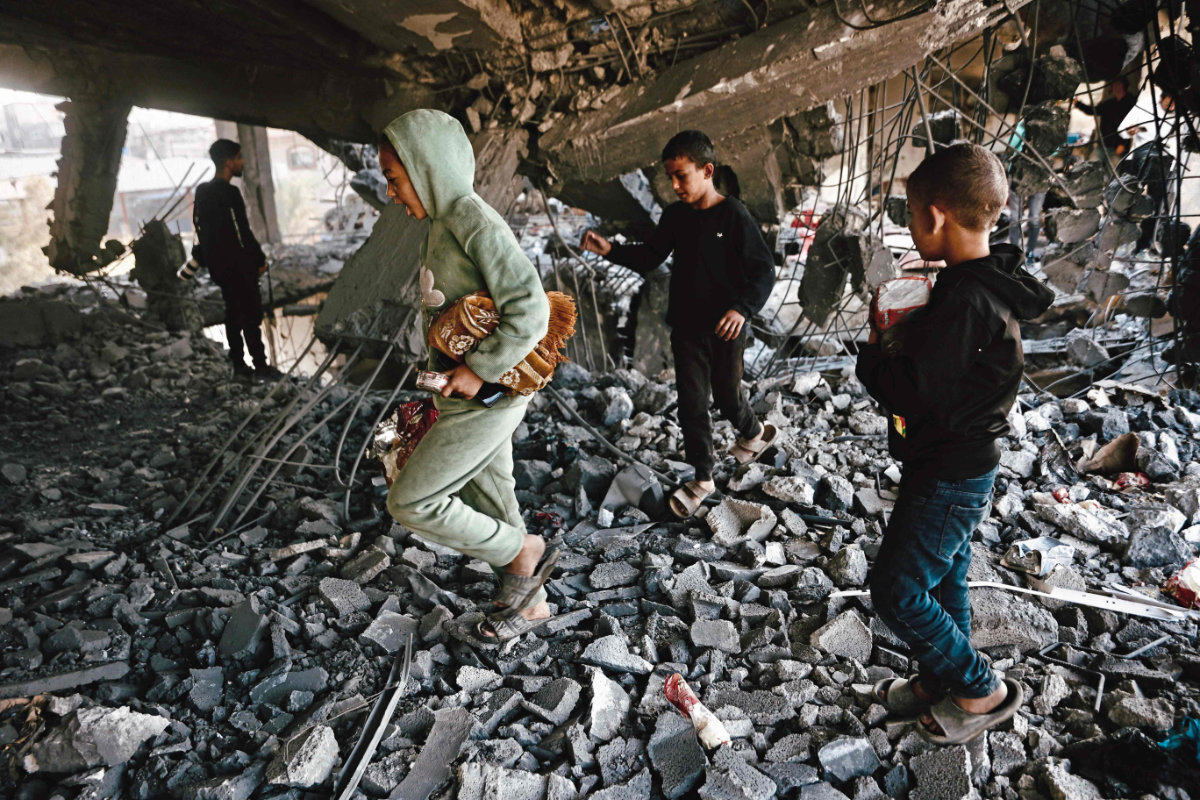


Palestinian children inspect the debris of a damaged building belonging to the Ministry of Religious Endowments, which was sheltering displaced people in the Zeitoun neighborhood of Gaza City on November 20, 2025, a day after it was targeted by Israeli army. (AFP)

“If they can change because of a bad exposure, it makes sense that they could change because of a good or corrective exposure,” she said. “We just need to figure out what those corrective interventions might be.”

For Dajani, the solution to such a complex issue lies in human traditions rather than the laboratory.

“We have survived as a species for three reasons, not just because we’re smart — it’s because we have agency,” she said. “We can adapt and resist. It’s because we are social and can depend on each other. And it’s because we have faith.”

She rejected many of the "well-intentioned" solutions posited by Western aid agencies to help solve issues that she instead believes require communal and spiritual answers.

“The sterilization of the international community and science has denied us this trait which allowed us to survive as a species,” she said.

Solutions developed for Gaza going forward should be based on responses that are organic to the people of Gaza, that do not treat them as victims, but instead allow them to begin to heal in a way that is natural and sovereign to them.


Why Gaza aid curbs are deepening children’s health crisis despite ceasefire

Updated 04 December 2025
Follow

Why Gaza aid curbs are deepening children’s health crisis despite ceasefire

  • Humanitarian aid deliveries are still restricted, leaving thousands of children without sufficient food, medicine, and basic shelter
  • International agencies warn that without urgent, unrestricted aid, child mortality and long-term health crises will escalate sharply

DUBAI: Two months into Gaza’s fragile ceasefire, children in the besieged enclave continue to bear the brunt of a deepening humanitarian crisis, with aid agencies warning that Israel’s continued restrictions on relief supplies are exposing the population to malnutrition and disease. 

Despite the Oct. 10 ceasefire, humanitarian groups say convoys carrying much-needed aid remain stuck at border crossings. Meanwhile, thousands of families displaced by two years of war are now enduring heavy rains in overcrowded shelters, heightening the risk of disease. 

For displaced children, limited access to medical care and vaccinations could have long-term, irreversible consequences. Without timely medical intervention and proper nutrition, healthcare workers warn that children are far more vulnerable to illness and death. 

Caption

The UK-based charity Medical Aid for Palestinians has reported a rise in cases of child malnutrition, with medical facilities facing “critical shortages” of supplies needed to treat postwar health complications. 

“While the number of severely malnourished patients has decreased compared with the peak of the famine, cases are still regularly presenting to hospital emergency departments and medical points,” Rohan Talbot, MAP’s director of advocacy and campaigns, told Arab News. 

In November, the organization’s nutrition cluster identified 575 children with acute malnutrition, including 128 with severe malnutrition, out of 7,930 children screened. The highest rates were in Gaza City, where almost 10 percent of children screened were malnourished. 

“We have also seen birth defects attributed to poor nutrition in mothers and lack of access to proper food and medical care,” said Talbot, warning that malnutrition could have long-term effects on children, leaving them at risk of stunting, poor development, and recurrent infections. 

A man carries the body of Palestinian baby Zainab Abu Haleeb, who died due to malnutrition, according to health officials, at Nasser Hospital in Khan Younis, southern Gaza Strip, on July 26, 2025. (REUTERS)

Last week, MAP reported that three of Gaza’s largest hospitals — Al-Shifa, Nasser and the Patient’s Friends Benevolent Society — remain overwhelmed with critically injured and malnourished patients. 

Staff are unable to provide adequate care or carry out surgeries postponed during the war, with some patients dying as a result. 

Medical supplies have not “meaningfully increased” since the ceasefire began, leaving a collapsed healthcare system with little capacity to recover, the organization said. 

According to the UN, only half of Gaza’s 36 hospitals are currently partially operational, and not a single hospital in the enclave is fully functional.  

A nurse examines a malnourished child at Nasser Hospital in Khan Younis, southern Gaza Strip, on July 25, 2025. (REUTERS)

The Patient’s Friends Benevolent Society Hospital, the main pediatric facility in northern Gaza, has reported critical shortages of essential drugs, medical supplies, cleaning materials, and sterilization equipment. 

On Nov. 14, the hospital — already damaged in the fighting — was flooded by heavy rain, trapping children and their families on the ground floor. 

“Medical intervention was not enough to save the lives of children, so we lost a large number of them in the intensive care unit,” Dr. Majd Awadallah, the hospital’s medical director, said in a statement. 

“These problems are unsolvable without opening the crossings and allowing the unconditional entry of essential materials, especially medicines. How can a hospital operate in surgical and maternity cases without cleaning materials?”   

INNUMBERS

600 Aid trucks expected to enter Gaza daily under ceasefire deal.

145 Actual average number of aid trucks entering Gaza per day.

(Source: Gaza’s Government Media Office)

On Monday, the UN Relief and Works Agency accused Israel of blocking around 6,000 aid trucks carrying food, medicine, tents and blankets — enough to sustain the enclave for three months. 

The organization warned that 1.5 million people urgently need shelter after heavy rains in November flooded displacement camps and damaged at least 13,000 tents. 

Israel’s military operation in Gaza, triggered by the Hamas-led Oct. 7, 2023, attack, has displaced about 2.1 million Palestinians — roughly 95 percent of the population — and destroyed nearly 78 percent of the enclave’s 250,000 buildings, according to UN figures. 

Most of the displaced now live in makeshift tents, some erected over the rubble of their former homes, without proper sanitation, clean water, insulation or sewage systems, contributing to the spread of infectious diseases. 

The World Health Organization has reported a rise in cases of Guillain-Barre Syndrome, acute watery diarrhea, and acute jaundice syndrome, the latter of which can be linked to hepatitis A. 

Though more aid has been reaching the devastated enclave since the ceasefire, humanitarian organizations warn this is insufficient to meet the population’s needs. 

Under the US-brokered truce, at least 600 aid trucks were expected to enter Gaza daily. However, Gaza’s Government Media Office said the enclave has received an average of just 145 trucks a day since the agreement began. 

Palestinians collect aid supplies from trucks in Khan Younis, southern Gaza Strip, on October 12, 2025, amid a ceasefire between Israel and Hamas. (REUTERS)

Of the aid that has entered Gaza, only 5 percent of the trucks contained medical supplies, according to the UN. 

“The strain on Palestinians’ lives is only deepening,” said Talbot. “Even the most basic materials needed for shelter continue to be blocked by Israeli authorities.” 

Though food availability has slightly improved due to the entry of humanitarian and commercial trucks, aid organizations still report limited quantities and less diverse food in markets. 

The World Food Programme said food consumption remained below pre-conflict levels by mid-October, as meat, eggs, vegetables, and fruits remain unaffordable for many families. Talbot said the food shortages are affecting patient recovery and overall public health. 

“Local food production has been severely disrupted, and humanitarian access remains extremely constrained by Israeli restrictions, with a severe lack of properly nutritious food entering Gaza,” he said. 

The war has eroded purchasing power, leaving 95 percent of the population entirely dependent on aid, UNRWA said, urging Israel to facilitate rapid at-scale and unimpeded humanitarian access. 

Although the ceasefire was intended to bring relief, near-daily Israeli strikes have killed 347 Palestinians, including at least 67 children, and injured 889 others, pushing Gaza’s death toll to more than 70,000, according to the Ministry of Health. 

Gaza’s Government Media Office has documented 535 Israeli violations since the ceasefire began, while satellite imagery shows more than 1,500 buildings have been destroyed during this period. 

In a statement last week, rights monitor Amnesty International accused Israel of continuing to commit genocide in Gaza by severely restricting the entry of aid and blocking the restoration of services essential for civilian survival. 

Agnes Callamard, the organization’s secretary-general, said the ceasefire creates “a dangerous illusion that life in Gaza is returning to normal,” warning that the lack of proper food, water and shelter could lead to “slow death” of Palestinians in Gaza. 

This includes blocking equipment needed to repair life-sustaining infrastructure and to remove unexploded ordnance, contaminated rubble and sewage — all of which pose serious and potentially irreversible public health and environmental risks, she said. 

Israel denies accusations it is deliberately obstructing aid, and accuses Hamas of stealing humanitarian assistance. 

Israeli soldiers secure humanitarian aid, amid the ongoing conflict in Gaza between Israel and the Palestinian Islamist group Hamas, near the Erez Crossing point in northern Gaza, on May 1, 2024. (REUTERS)

COGAT, the Israeli military arm that oversees humanitarian matters, insists that “hundreds of trucks” enter Gaza daily. 

In a Nov. 30 statement, the unit said it “approved 100,000 pallet requests submitted by organizations, of winter-related items, shelter equipment, and sanitation supplies.” 

“These supplies are ready and waiting for weeks for immediate coordination by the relevant organizations so they can enter Gaza,” the statement read. 

Israel and Hamas have continued to trade accusations of ceasefire violations as the first phase nears completion. 

Under this initial phase, Israel was required to withdraw its troops behind a temporary boundary known as the yellow line, while Hamas was to release all living and deceased hostages. 

The next stage of the Trump 20‑point Gaza peace plan, endorsed by the UN Security Council on Nov. 18, faces major obstacles, including Hamas disarmament, Israel’s full withdrawal from Gaza, governance of the enclave, and international security arrangements. 

Despite these obstacles, aid agencies are continuing live-saving work, stepping up efforts to provide essential health services, distribute clean water, support trauma and emergency responses, and offer mental health support. 

On Nov. 21, the WHO, UNRWA, and the UN children’s fund UNICEF, announced the completion of the first round of vaccinations, which immunized more than 13,700 children against measles, polio, mumps and rubella, hepatitis B, tuberculosis, rotavirus and pneumonia. 

The agencies are now preparing for rounds two and three after 1.6 million syringes procured by UNICEF entered Gaza in mid-November. 

The UN also distributed food parcels to more than 264,000 families in the same month. 

However, aid workers say that these efforts represent only a fraction of what is needed to mitigate the worsening humanitarian crisis and help the population recover. 

“A ceasefire must mean more than this; it must bring an end to Palestinians’ suffering and allow them to regain their dignity and safety,” said Talbot. 

“Without a flood of aid and assistance, we will see more avoidable deaths and deprivation.”