



DUBAI: YouTube on Wednesday launched “Health Panels” in the UAE, expanding its global initiative aimed at improving access to accurate, evidence-based medical information in Arabic and English.
Garth Graham, global head of YouTube Health, said the UAE was a key market for the rollout due to the scale of its user base. “We have 7.5 million people in the UAE who are coming to our platform on a regular basis,” he said. “As we have been looking to expand these health features, which we’ve been doing around the world, it was important for us to be where communities are, so that we can provide high quality information on health.”
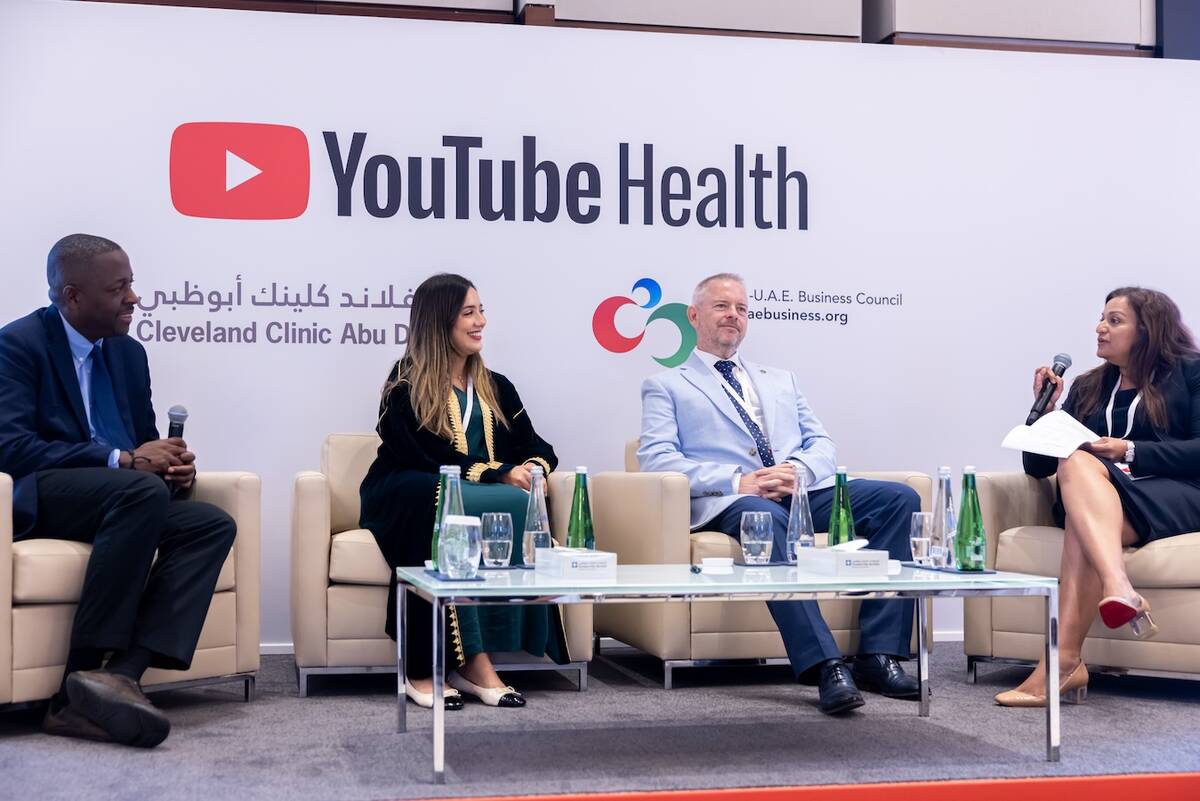
The global initiative is aimed at improving access to accurate, evidence-based medical information in Arabic and English. (Supplied)
When users search for medical topics, the platform displays a “From Health Sources” section early in the results, Graham said. Each video within that section carries a label identifying it as coming from “an accredited health institution.” He said this helps users understand the source of the information and “gives them comfort in knowing that it’s coming from an accredited health source.”
On tackling health misinformation, Graham said the company focuses on both elevating verified information and enforcing its policies. “We see it as two sides of the coin,” he said.

Garth Graham said the UAE was a key market for the rollout due to the scale of its user base. (Supplied)
Alongside promoting authoritative health content, YouTube removes content that contradicts “consensus from global or local health authorities” or that is “dangerous or harmful,” he explained.
Graham said YouTube worked with the World Health Organization to establish principles for identifying credible sources across different regions. He noted that the same standards are applied in the Middle East, where there are “a number of very credible evidence-based sources of information.”
In regions where Health Panels have already been introduced, Graham said users are “gravitating to that information… to those evidence-based health sources.” He added that YouTube aims to work with more partners in the region to expand Arabic health content that “meets the community’s needs.”


