Lumbala, 67, is accused of complicity in crimes against humanity for his role during the 1998-2003 Second Congo War
Human rights groups have hailed his trial as an opportunity to deter further abuses in the eastern DRC
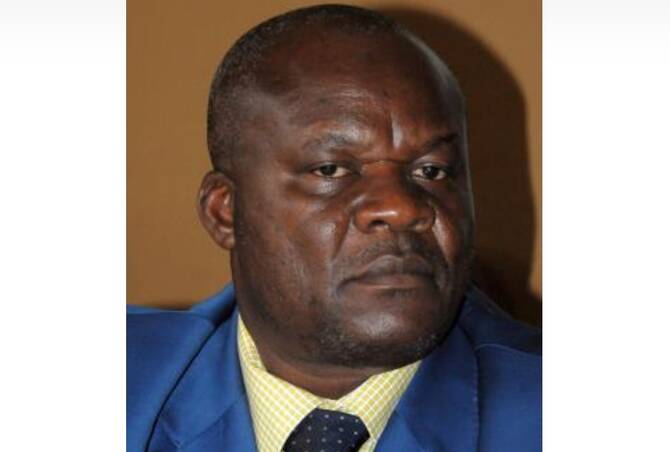
PARIS: Former Congolese rebel leader Roger Lumbala went on trial in France Wednesday over atrocities committed in the Democratic Republic of Congo’s bloody eastern conflict more than two decades ago.
Lumbala, 67, is accused of complicity in crimes against humanity for his role during the 1998-2003 Second Congo War, during which more than a half-dozen African nations were drawn into the globe’s deadliest conflict since World War II.
As the trial started in Paris, Lumbala presented himself as a former trade minister and former lawmaker, as well as the “promoter of two television channels” in DRC.
He was arrested in France, where he owned a flat, under the principle of universal jurisdiction in December 2020 and has been held in a Paris prison since.
If convicted, he faces a maximum sentence of life imprisonment.
Human rights groups have hailed his trial as an opportunity to deter further abuses in the eastern DRC, where a Rwanda-backed militia’s 2025 advance has fanned the flames of the fighting plaguing the mineral-rich region for more than three decades.
Investigating magistrates describe Lumbala as a warlord who let fighters from his Uganda-backed rebel movement, the Rally of Congolese Democrats and Nationalists (RCD-N), pillage, execute, rape and mutilate with impunity.
UN investigators also accuse his paramilitaries of targeting ethnic pygmies.
Lumbala, who briefly served as trade minister then ran for president in 2006, insists he was merely a politician with no soldiers or volunteers under his control.
He is almost certain to contest the competence of the French justice system to try him.
Dozens of victims are expected to testify in the more than a month’s worth of hearings before the judge is set to hand down their verdict on December 19.
But there are doubts over whether all will be able to make the trip to the French capital.
The NGOs TRIAL International, the Clooney Foundation for Justice, the Minority Rights Group, Justice Plus and PAP-RDC, which supports pygmy peoples, have hailed the proceedings as “a crucial opportunity to deliver justice for survivors.”
- Rape as ‘weapon’ -
The charges center on the actions of Lumbala’s RCD-N in 2002 and 2003 in the northeastern Ituri and Haut-Uele provinces bordering Uganda and modern-day South Sudan, primarily against the Nande and Bambuti pygmy ethnic groups.
French authorities believe RCD-N fighters used rape as a “weapon of war,” especially toward women from the Nande and Bambuti communities, which the militia suspected of pro-government sympathies.
United Nations investigators believe the RCD-N’s offensive was designed to secure access to the region’s resources, which include gold, diamonds and the coltan crucial to the making of mobile phones.
The Congolese east’s rich mineral veins have been at the center of much of the fighting to bedevil the region in the past three decades. The dozens of armed groups fighting there have at times been joined by foreign powers vying for control of mines.
The DRC has also previously accused Lumbala of high treason and complicity with the M23 armed group during its first mutiny in the eastern DRC, which ended with its 2013 defeat.
Since taking up arms again the M23 has seized swathes of the eastern North and South Kivu provinces with Rwanda’s support in recent years.
The United Nations likewise believes the militia and its Rwandan allies have committed human rights abuses in the east, though Rwanda denies involvement.
“Holding Lumbala accountable for his actions sends a strong signal in today’s ongoing violent conflict in DRC that abuses will be investigated and justice sought,” said Samuel Ade Ndasi, a litigation officer with the Minority Rights Group NGO.
“We believe that this will act as a deterrent to those perpetrating such abuses now.”


![]()

DR Congo ex-rebel leader Lumbala’s war crimes trial opens in France
Short Url
https://arab.news/na9eg
DR Congo ex-rebel leader Lumbala’s war crimes trial opens in France
- Lumbala, 67, is accused of complicity in crimes against humanity for his role during the 1998-2003 Second Congo War
- Human rights groups have hailed his trial as an opportunity to deter further abuses in the eastern DRC


Latest updates


© 2026 SAUDI RESEARCH & PUBLISHING COMPANY, All Rights Reserved And subject to Terms of Use Agreement.