- Syria’s presidency said Sharaa and Trump discussed the bilateral relationship and “ways to strengthen and develop it”
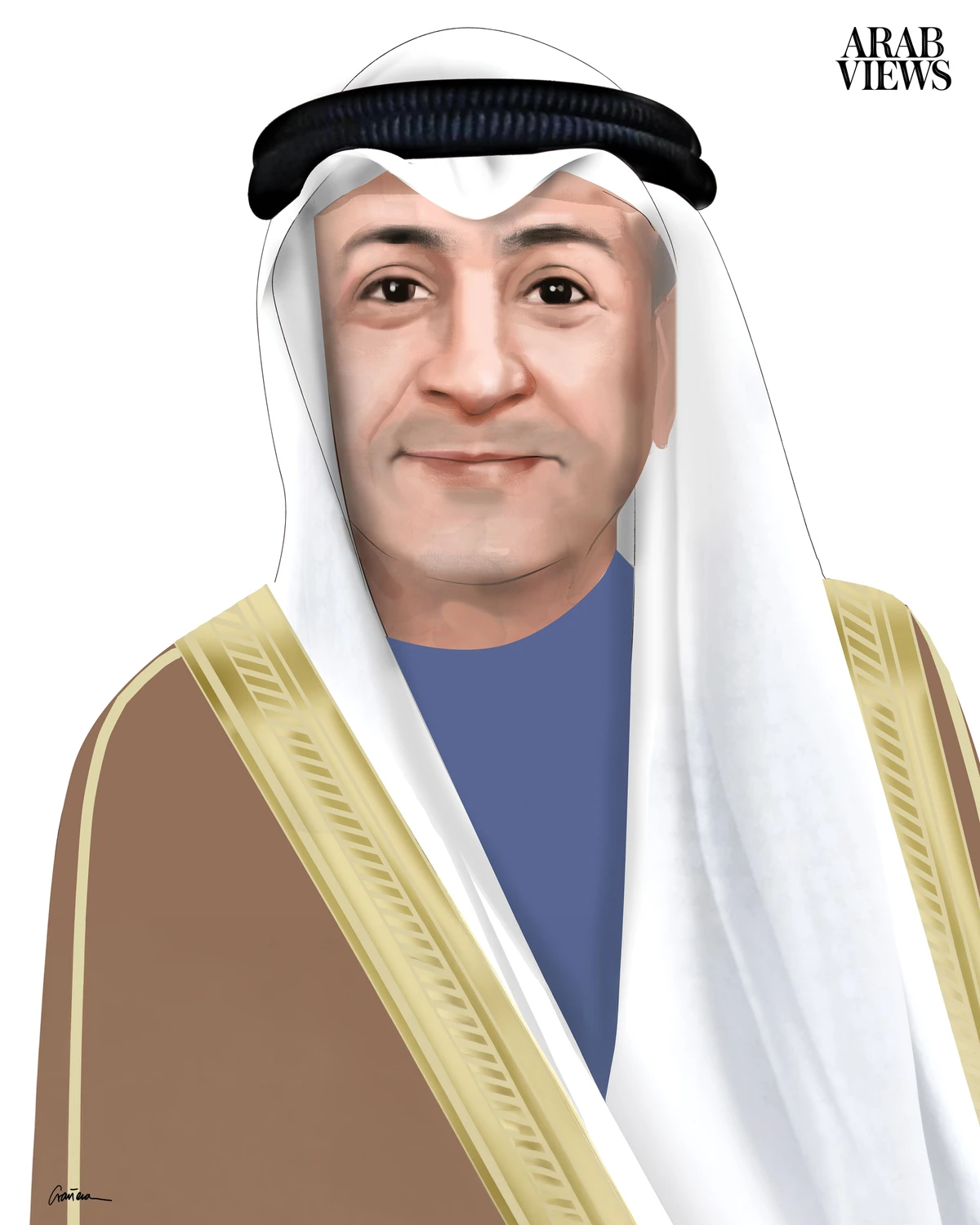
WASHINGTON: President Donald Trump hosted Syrian President Ahmad Al-Sharaa at the White House on Monday, welcoming the once-pariah state into a US-led global coalition to fight the Daesh group.
Al-Sharaa arrived at the White House around 11:30 a.m. for his Oval Office meeting, which was closed to the press. The Syrian president entered the building through West Executive Avenue, adjacent to the White House, rather than on the West Wing driveway normally used for foreign leaders’ arrivals. He left the White House about two hours later and greeted a throng of supporters gathered outside before getting into his motorcade.
“We’ll do everything we can to make Syria successful because that’s part of the Middle East,” Trump told reporters later Monday. The US president said of Al-Sharaa that “I have confidence that he’ll be able to do the job.” Trump said later on his social media site that he plans to meet and speak with the Syrian leader again.
Al-Sharaa, in an interview on Fox News, said he and Trump talked about investment opportunities in Syria in the future, “so that Syria is no longer looked at as a security threat. It is now looked at as a geopolitical ally. And it’s a place where the United States can have great investments, especially extracting gas.”
Syria formally confirmed that it would join the global coalition against the Daesh group during Al-Sharaa’s visit, becoming its 90th member, according to a senior US administration official who spoke on condition of anonymity because there hadn’t yet been a formal announcement. The US will also allow Syria to resume operations at its embassy in Washington so the two countries can better coordinate on counterterrorism, security and economic issues, the official said.
Syria’s foreign ministry, in a statement, described the meeting as “friendly and constructive” and said Trump “affirmed the readiness of the United States to provide the support that the Syrian leadership needs to ensure the success of the reconstruction and development process.”
The ministry said US Secretary of State Marco Rubio had then met with Syrian Foreign Minister Asaad Al-Shibani and Turkish Foreign Minister Hakan Fidan, who arrived in Washington on Monday, and that they agreed to proceed with implementing an agreement reached in March between Damascus and the Kurdish-led Syrian Democratic Forces to integrate the SDF into the new Syrian army. Implementation of the deal has repeatedly stalled amid tensions between the two sides. It was unclear what concrete steps were agreed upon in Monday’s meeting.
The statement said the “American side also affirmed its support for reaching a security agreement with Israel,” but it did not say how Syria had responded.
Al-Sharaa’s visit was the first to the White House by a Syrian head of state since the Middle Eastern country gained independence from France in 1946 and comes after the US lifted sanctions imposed on Syria during the decades the country was ruled by the Assad family. Al-Sharaa led the rebel forces that toppled Syrian President Bashar Assad last December and was named the country’s interim leader in January.
Trump and Al-Sharaa — who once had ties to Al-Qaeda and had a $10 million US bounty on his head — first met in May in Saudi Arabia. At the time, the US president described Al-Sharaa as a “young, attractive guy. Tough guy. Strong past, very strong past. Fighter.” It was the first official encounter between the US and Syria since 2000, when then-President Bill Clinton met with Hafez Assad, the father of Bashar Assad.
Before Al-Sharaa’s arrival in the US, the United Nations Security Council voted to lift sanctions on the Syrian president and other government officials in a move that the US ambassador to the UN, Mike Waltz, said was a strong sign that Syria is in a new era since the fall of Assad.
Al-Sharaa came to the meeting with his own priorities. He wants a permanent repeal of sanctions that punished Syria for widespread allegations of human rights abuses by Assad’s government and security forces. While the Caesar Act sanctions are currently waived by Trump, a permanent repeal would require Congress to act.
One option is a proposal from Sen. Jeanne Shaheen of New Hampshire, the top Democrat on the Senate Foreign Relations Committee, that would end the sanctions without any conditions. The other was drafted by Sen. Lindsey Graham, R-S.C., a hawkish Trump ally who wants to set conditions for a sanctions repeal that would be reviewed every six months.
But advocates argue that any repeal with conditions would prevent companies from investing in Syria because they would fear potentially being sanctioned. Mouaz Moustafa, executive director of the Syrian Emergency Task Force, likened it to a “hanging shadow that paralyzes any initiatives for our country.”
The Treasury Department said Monday that the Caesar Act waiver was extended for another 180 days.