

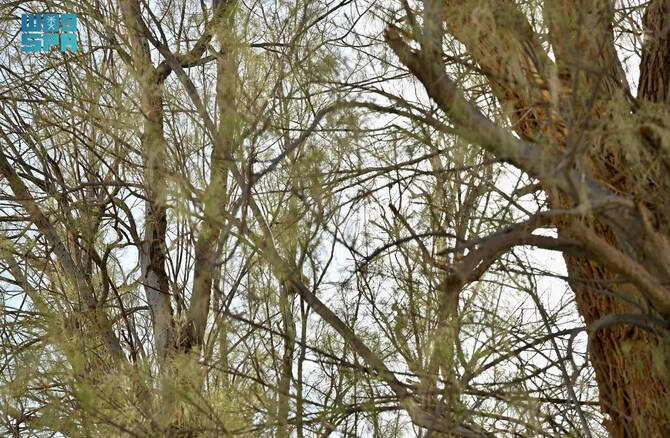
Drought-resistant tamarisk tree helps fight desertification in Saudi Arabia

1 / 6
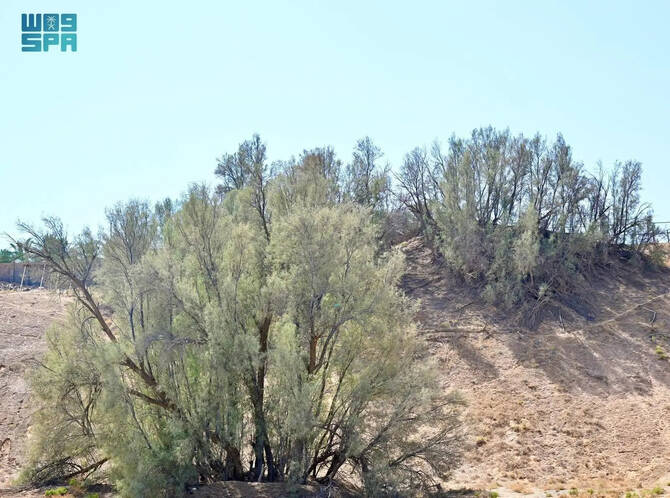
Resistant to drought and tolerant of salty soil, the tamarisk among the native species being planted across the Kingdom to fight desertification.
2 / 6
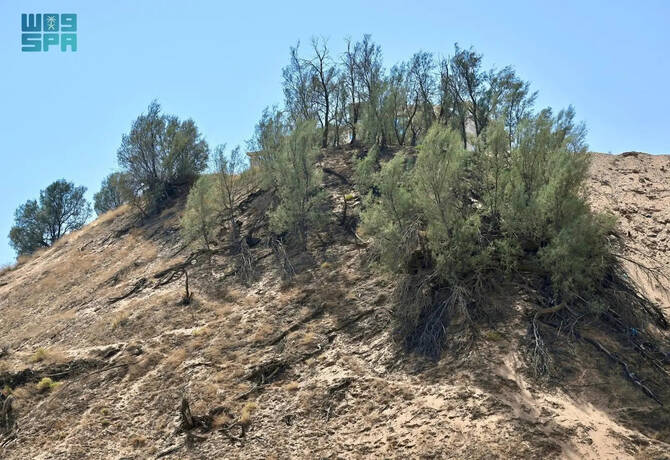
Resistant to drought and tolerant of salty soil, the tamarisk among the native species being planted across the Kingdom to fight desertification.
3 / 6
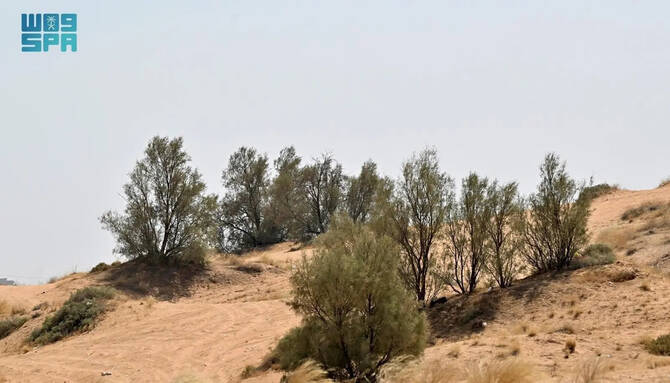
Resistant to drought and tolerant of salty soil, the tamarisk among the native species being planted across the Kingdom to fight desertification.
4 / 6
Resistant to drought and tolerant of salty soil, the tamarisk among the native species being planted across the Kingdom to fight desertification.
5 / 6
Resistant to drought and tolerant of salty soil, the tamarisk among the native species being planted across the Kingdom to fight desertification.
6 / 6
Resistant to drought and tolerant of salty soil, the tamarisk among the native species being planted across the Kingdom to fight desertification.
Short Url
Updated 19 October 2025
Follow

Drought-resistant tamarisk tree helps fight desertification in Saudi Arabia

  • Tamarisk had been used extensively in ancient times, such as in making tools and roofs and doors for houses
  • Capable of withstanding harsh conditions, it is among the trees now being propagated under the Saudi Green Initiative

BURAIDAH: The tamarisk tree, a plant species being planted under the Saudi Green Initiative, has long played key economic, social, agricultural, and geographical roles in Arabian society.

Fahd Al-Sawaji, a local desert plant enthusiast, said the tree had extensive social uses in ancient times, including the manufacture of plowing tools and equipment for drawing water from wells.

Its wood was also used to make roofs and doors for houses, as well as for leather tanning, Sawaji told the Saudi Press Agency.
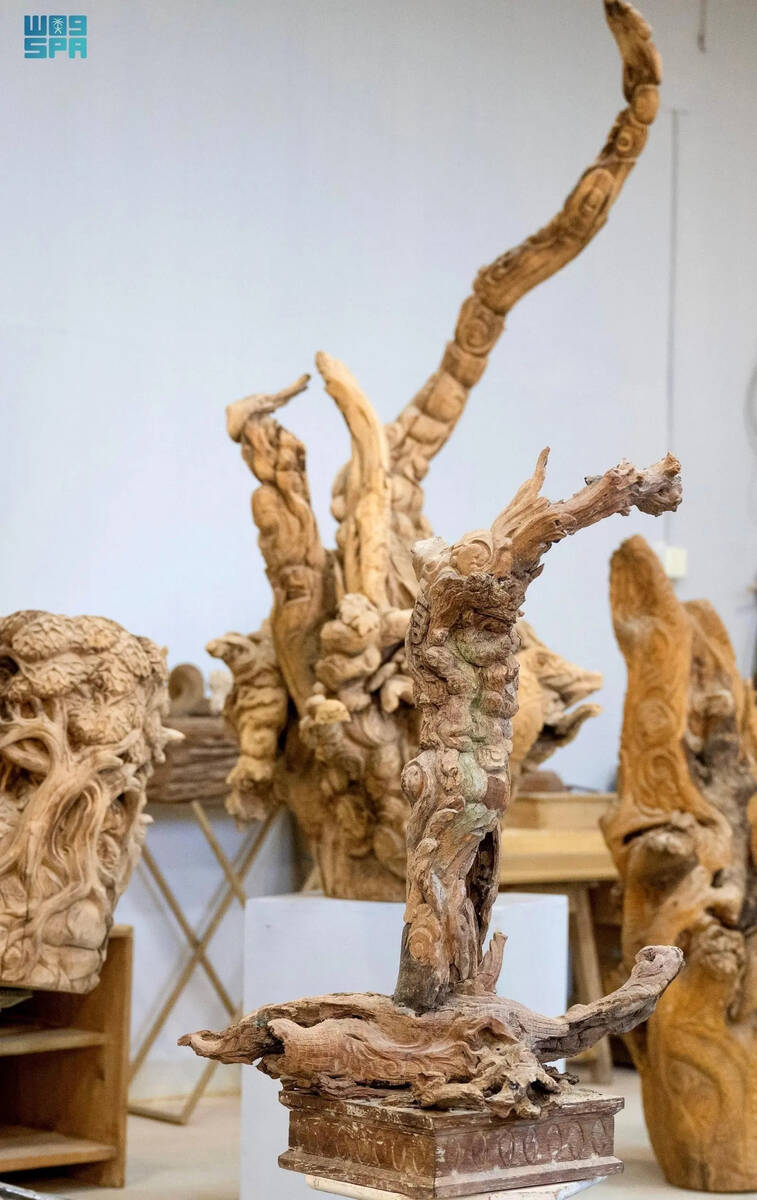


The tamarisk tree has been used to make tools, furniture and house parts. (SPA)
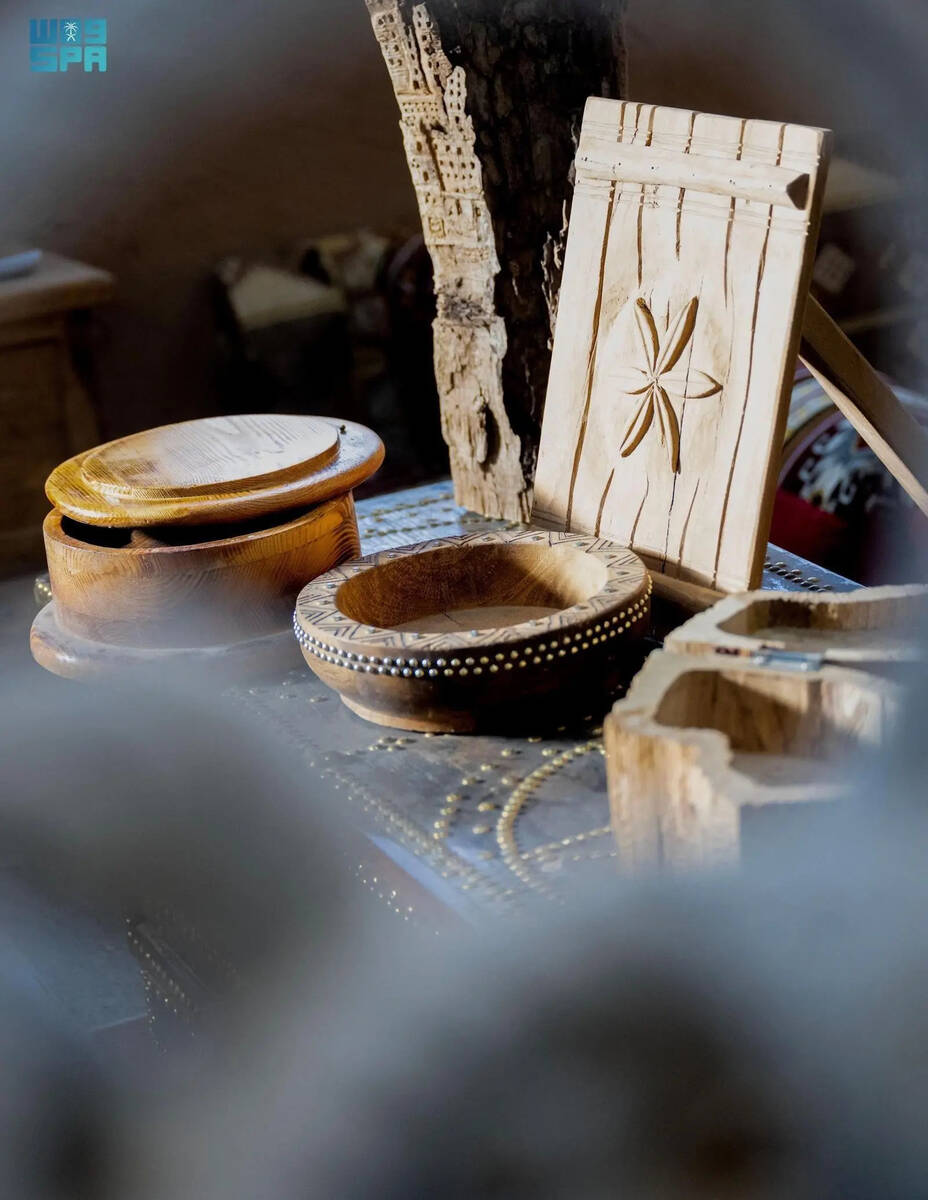


The tamarisk tree has been used to make tools, furniture and house parts. (SPA)

Resistant to drought and tolerant of salty soil, the tamarisk (scientific name: Tamarix aphylla) is one of the native species being planted across the Kingdom to fight desertification. The other ancient tree species being planted are the acacia, juniper, sidr, and ghaf trees.

The tamarisk’s rapid growth and the beauty of its drooping branches also make it an ideal choice for farms and gardens.
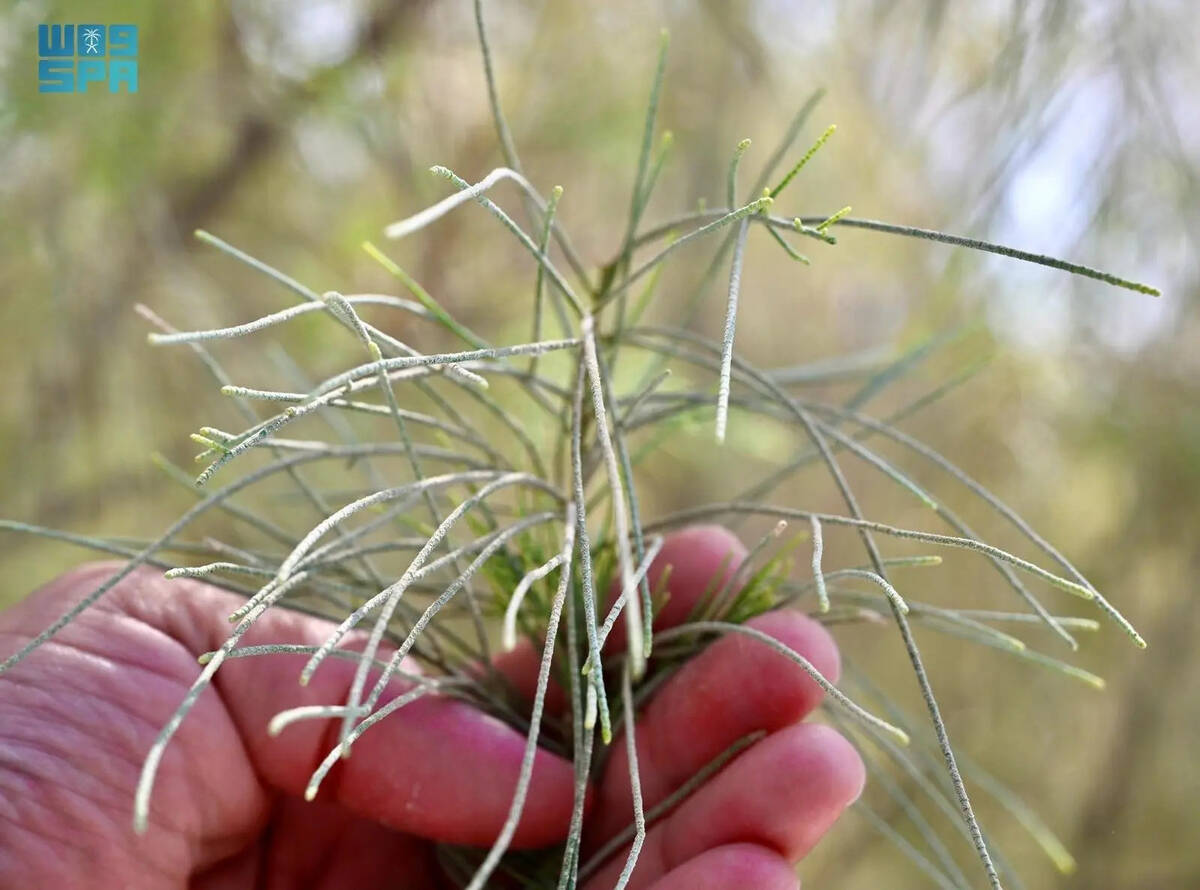


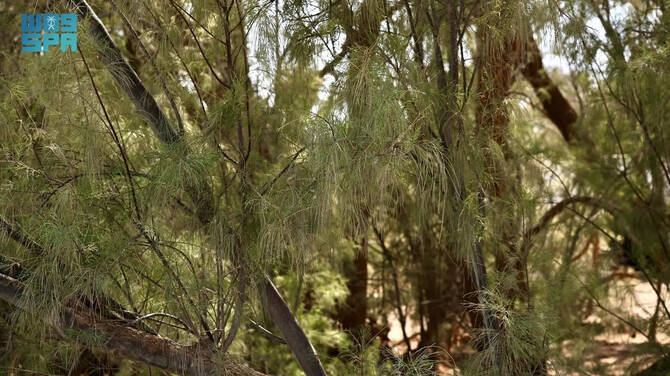
Although the foliage resembles the evergreen juniper, tamarisk is a deciduous tree, which means its leaves are shed seasonally, according to plant experts. (SPA)
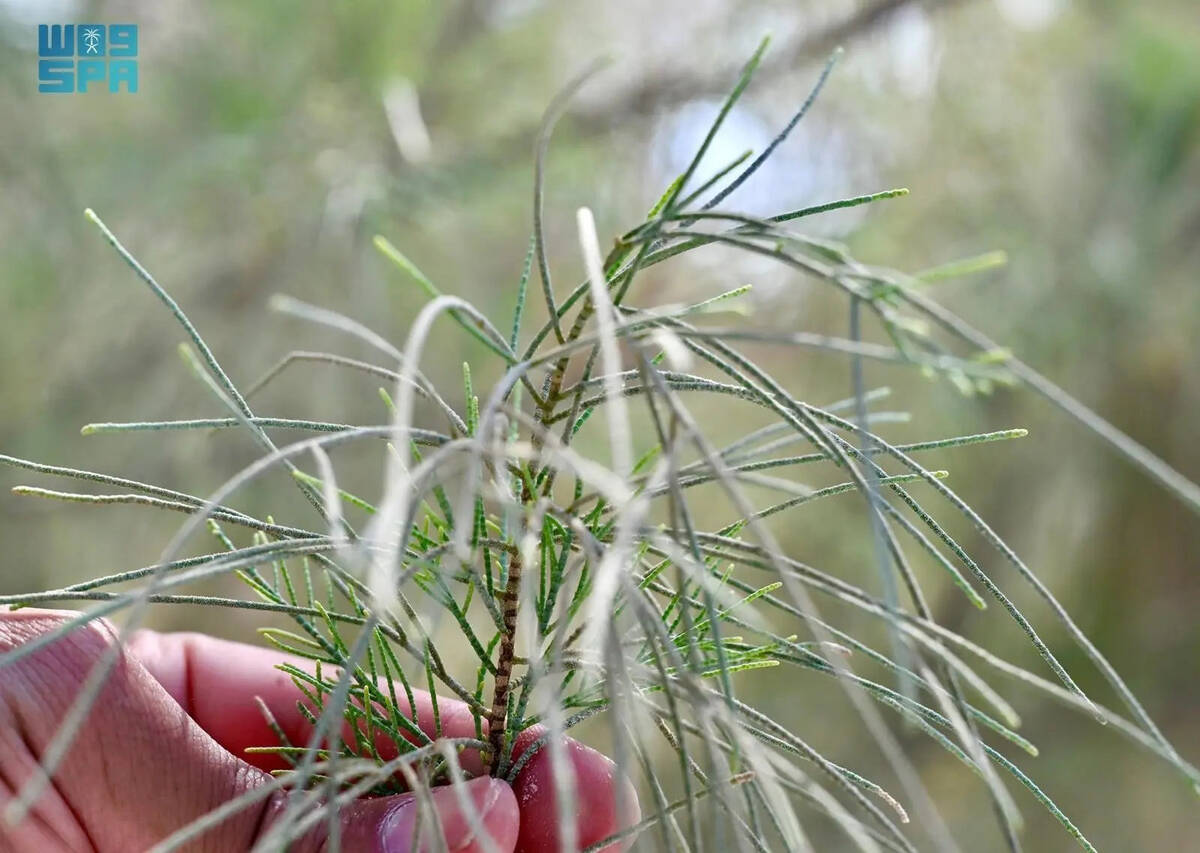


Although the foliage resembles the evergreen juniper, tamarisk is a deciduous tree, which means its leaves are shed seasonally, according to plant experts. (SPA)

Saudi Arabia is home to approximately 2,234 known natural plant species, many of which are concentrated in the southwestern mountain regions such as Asir and Baha, which get significant amounts of rainfall.

The Ministry of Environment, Water and Agriculture is making noteworthy significant efforts to develop vegetation cover and protect the environment by planting millions of trees, launching awareness campaigns, and enacting laws and regulations.

The ministry is also establishing special centers to combat desertification, enhance biodiversity, reduce pollution, and encourage sustainable practices to preserve the environment.


Saudi Arabia’s heritage, wildlife take spotlight at falcon festival

Updated 15 sec ago
Follow

Saudi Arabia’s heritage, wildlife take spotlight at falcon festival

  • Visitors can explore interactive displays on habitat protection and the ecological importance of falcons, blending modern technology with authentic Saudi traditions to promote environmental stewardship

RIYADH: The King Salman bin Abdulaziz Royal Reserve Development Authority is taking part in the 10th Northern Borders Falcon Festival, held in Turaif governorate from Jan. 29 to Feb. 2, celebrating cultural heritage and promoting environmental conservation.

A centerpiece of the exhibition is the ancient craft of Sadu, with local artisans showcasing traditional weaving that reflects the reserve’s cultural identity, the Saudi Press Agency reported on Saturday.

By empowering families in the cottage industry, the authority aims to preserve this living legacy as a vital part of national heritage, the SPA added.

The pavilion also highlights the authority’s ecological achievements, including the reintroduction of the Arabian oryx, sand gazelle, ibex and houbara bustard.

Visitors can explore interactive displays on habitat protection and the ecological importance of falcons, blending modern technology with authentic Saudi traditions to promote environmental stewardship.

In collaboration with the Saudi Falcons Club, the festival features more than 700 participants, including professional, elite and international falcon owners, as well as local amateurs. The competition spans 18 rounds, with total financial prizes exceeding SR1 million ($266,000).