

How ecotourism is growing and attracting investment in Saudi Arabia

Short Url
Updated 18 October 2025
Follow

How ecotourism is growing and attracting investment in Saudi Arabia

  • Kingdom aims to tap into a global market expected to hit $901 billion by 2026

JEDDAH: Ecotourism has gained significant traction in recent years as more people become aware of the environmental impact of their travel choices.

The growing trend of ecotourism presented a unique opportunity for investors to not only profit but also contribute to sustainable development and conservation efforts.

Additionally, the market is expanding across all regions, driven by rising environmental awareness and government-backed sustainability initiatives.

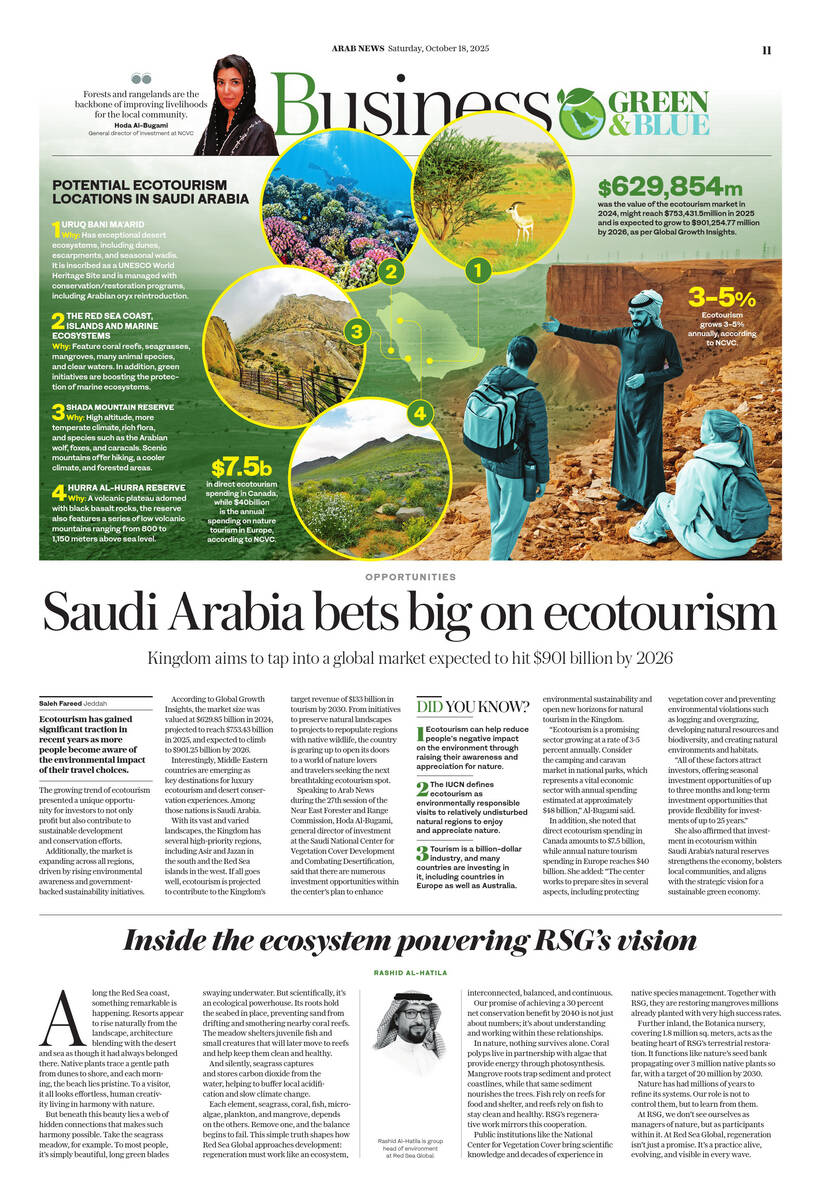
According to Global Growth Insights, the market size was valued at $629.85 billion in 2024, projected to reach $753.43 billion in 2025, and expected to climb to $901.25 billion by 2026.

Interestingly, Middle Eastern countries are emerging as key destinations for luxury ecotourism and desert conservation experiences. Among those nations is Saudi Arabia.
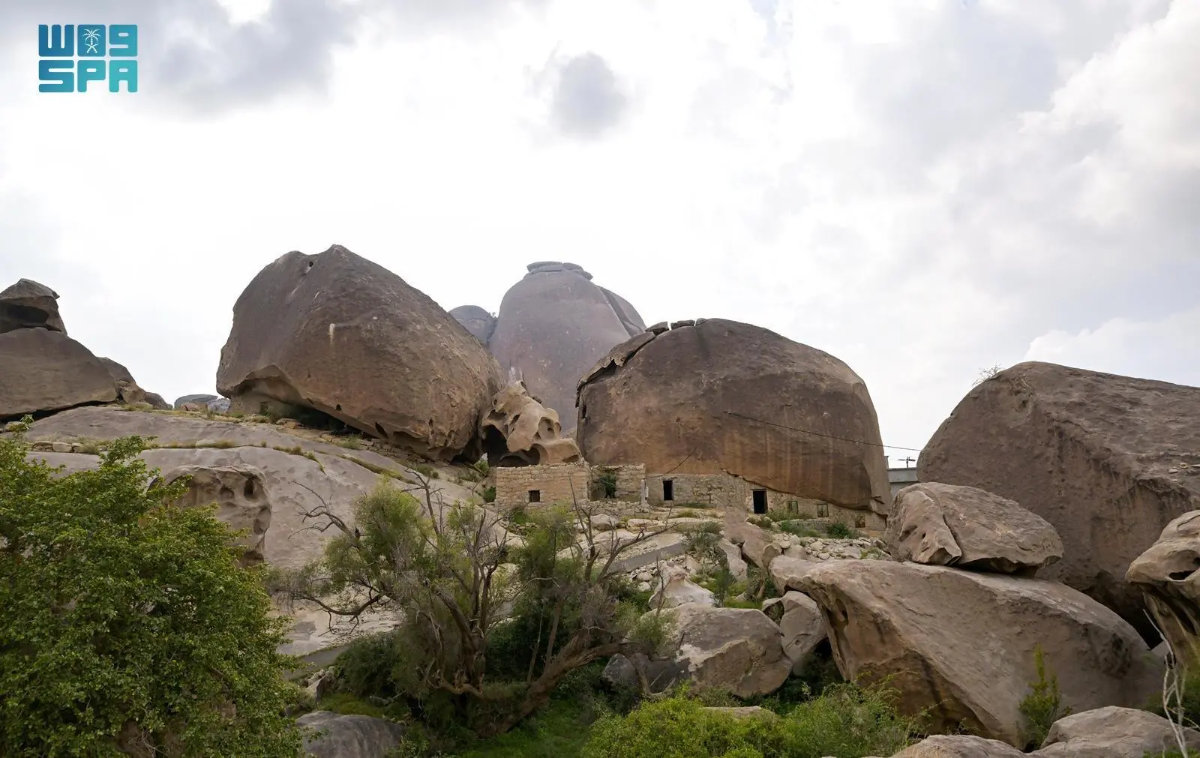


Cave resorts in Al-Baha's Shada Al-Asfal Mountain are emerging as favorite destinations in the southwestern region's tourism destinations. (SPA)

Through Vision 2030, the Kingdom is investing in sustainable tourism mega-projects and ecotourism. Sustainable tourism has emerged as a significant segment within Saudi Arabia’s vast tourism industry, given its importance and impact.

Over the past few years, there has been increasing interest in Saudi Arabia, much of it attributed to the Kingdom’s diverse eco-tourist destinations.

Indeed, Saudi Arabia recognizes the potential of ecotourism and is working to become the region’s destination of choice.


Farasan islands in Jazan region is one of the Kingdom's favorite ecotourism destinations. (SPA file photo) 

With its vast and varied landscapes, the Kingdom has several high-priority regions, including Asir and Jazan in the south and the Red Sea islands in the west. If all goes well, ecotourism is projected to contribute to the Kingdom’s target revenue of $133 billion in tourism by 2030.

From initiatives to preserve natural landscapes to projects to repopulate regions with native wildlife, the country is gearing up to open its doors to a world of nature lovers and travelers seeking the next breathtaking ecotourism spot.

Opinion

This section contains relevant reference points, placed in (Opinion field)

Speaking to Arab News during the 27th session of the Near East Forester and Range Commission, Hoda Al-Bugami, general director of investment at the Saudi National Center for Vegetation Cover Development and Combating Desertification, said that there are numerous investment opportunities within the center’s plan to enhance environmental sustainability and open new horizons for natural tourism in the Kingdom.

“Ecotourism is a promising sector growing at a rate of 3-5 percent annually. Consider the camping and caravan market in national parks, which represents a vital economic sector with annual spending estimated at approximately $48 billion,” Al-Bugami said.
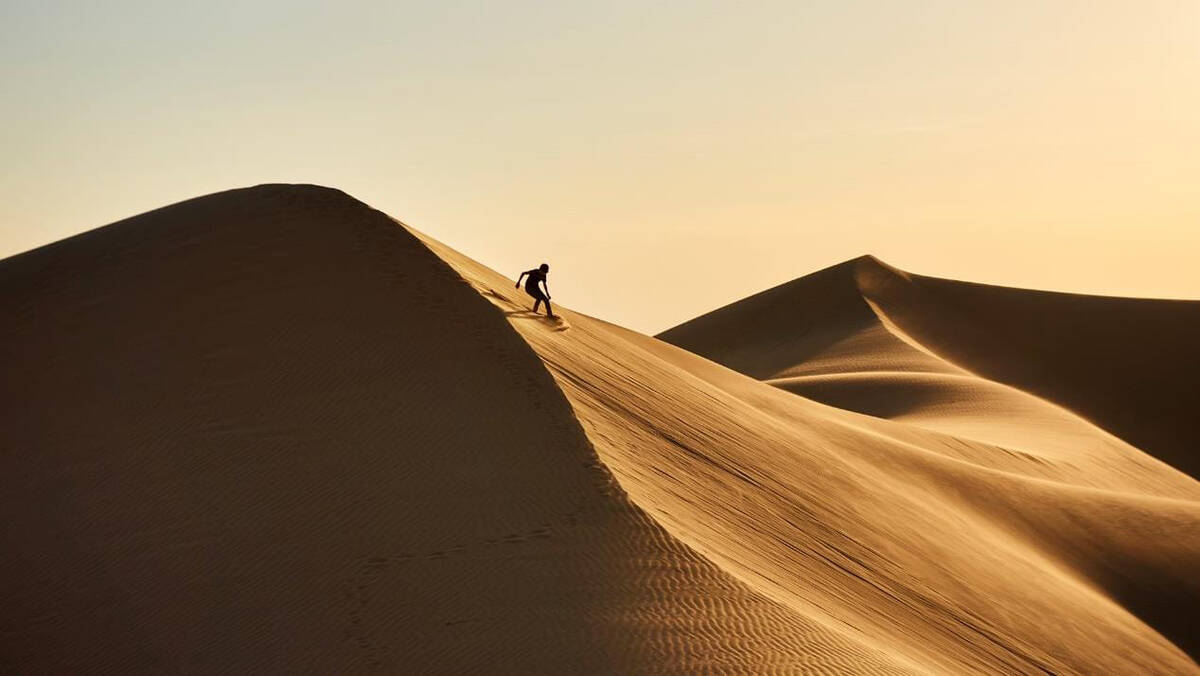


 Sustainable tourism has emerged as a significant segment within Saudi Arabia’s vast tourism industry, given its importance and impact. (Supplied)

In addition, she noted that direct ecotourism spending in Canada amounts to $7.5 billion, while annual nature tourism spending in Europe reaches $40 billion.

She added: “The center works to prepare sites in several aspects, including protecting vegetation cover and preventing environmental violations such as logging and overgrazing, developing natural resources and biodiversity, and creating natural environments and habitats.

“All of these factors attract investors, offering seasonal investment opportunities of up to three months and long-term investment opportunities that provide flexibility for investments of up to 25 years.”

DID YOU KNOW?

• Ecotourism can help reduce people’s negative impact on the environment through raising their awareness and appreciation for nature.

• The IUCN defines ecotourism as environmentally responsible visits to relatively undisturbed natural regions to enjoy and appreciate nature.

• Tourism is a billion-dollar industry, and many countries are investing in it, including countries in Europe as well as Australia.

She also affirmed that investment in ecotourism within Saudi Arabia’s natural reserves strengthens the economy, bolsters local communities, and aligns with the strategic vision for a sustainable green economy.

“Forests and rangelands are the backbone of improving livelihoods for the local community and increasing the gross domestic product,” she said.

Ecotourism offers more than an opportunity to explore unique landscapes. Saudi Arabia is home to various locations that make it special to explore, such as AlUla with its beautiful and ancient oasis, Asir with its mountains and coastline, the wonders of the Red Sea, and Al-Ahsa Oasis, which is the World’s largest oasis.


From initiatives to preserve natural landscapes to projects to repopulate regions with native wildlife, the country is gearing up to open its doors to a world of nature lovers and travelers seeking the next breathtaking ecotourism spot. (Supplied)

Ecotourism investment opportunities are abundant for local investors seeking to align their financial goals with sustainable development objectives.

Whether it is through supporting green accommodations, wildlife conservation initiatives, community-based tourism projects, or renewable energy infrastructure, these investment opportunities not only foster long-term profitability but also position business owners as leaders in the vital transition towards more sustainable tourism practices.


Saudi-US business ties in ‘position of strength,’ US Chamber of Commerce official tells Arab News

Updated 18 November 2025
Follow

Saudi-US business ties in ‘position of strength,’ US Chamber of Commerce official tells Arab News

  • Steve Lutes says Saudi-US ties are resilient and rapidly shifting toward technology, innovation and next-generation economic cooperation
  • Saudi Vision 2030 reforms are driving a surge in US corporate interest across sectors like AI, cloud services, biotech and advanced manufacturing

RIYADH: Business and investment ties between Saudi Arabia and the US are in a “position of strength,” a US Chamber of Commerce official told Arab News ahead of Crown Prince Mohammed bin Salman’s visit to the country.

Steve Lutes, vice president for Middle East affairs at the organization, described the state of bilateral relations between Riyadh and Washington as “durable and resilient,” adding that such visits are “important milestones, they’re momentous.”

The timing of the crown prince’s visit is noteworthy. It comes as Saudi Arabia’s Vision 2030 reform program nears its 10-year mark, and as American companies recalibrate their global strategies to tap into rapidly growing markets.

HUMAIN and Qualcomm Technologies, Inc.  announced a collaboration to deploy advanced AI infrastructure in Saudi Arabia. (Supplied)

Washington has consistently ranked among the Kingdom’s top trading partners, with total trade in goods and services surpassing $35 billion in 2023, according to official US data.

Energy remains a major pillar, but a new generation of partnerships has emerged in areas such as cloud computing, biotechnology and renewable infrastructure — reflecting the profound shift underway in the Kingdom’s economic model.

US companies have played a vital role as economic, commercial and investment partners to the Kingdom’s diversification journey under Vision 2030, Lutes said, adding that the visit comes as an opportunity to gain momentum.

“It’s really important that everyone understand that in the current day we have very strong commercial and economic ties,” he said. “They’re deep and they’re growing with our strategic partner, the Kingdom of Saudi Arabia.”

Lutes said US businesses are eager to use the visit to deepen ties in emerging sectors where Saudi Arabia is advancing rapidly, especially digital transformation, advanced manufacturing, data infrastructure and artificial intelligence.

Beyond the traditional oil and defense nexus that has long defined US-Saudi commerce, a wave of new agreements is reshaping the economic map.

American firms such as Google Cloud, Oracle and Amazon Web Services have established operations in the Kingdom, supporting its push to become a regional hub for digital services.

Saudi Arabia will host the FIFA World Cup 2034. (Supplied)

Meanwhile, Lucid Motors, the California-based electric vehicle manufacturer in which the Saudi Public Investment Fund holds a majority stake, is ramping up local production at its $3.4 billion plant in King Abdullah Economic City, one of the flagship industrial projects under Vision 2030.

Regarding the scope of collaboration, Lutes highlighted the importance of AI being at the forefront of emerging deals and partnerships.

“So, for this visit, I think we’re very keen to see — whether it’s in AI or in other innovative technologies — that we see more partnerships, new investments,” he said.

He added that AI and technology fall under “knowledge-based sectors” that the US and Saudi governments continuously work together on, including the space sector.

This emphasis reflects growing momentum behind Saudi investment in digital infrastructure.

The Kingdom has pledged more than $6 billion toward AI and tech-related projects, including the creation of sovereign computing capacity and partnerships with American developers focused on natural language modeling and cloud-based analytics.

Microsoft shares strong progress on datacenter region in Saudi Arabia; construction complete on three sites, with availability expected in 2026. (Microsoft)

For Washington, this growing ecosystem represents a vital entry point for US innovation into the Gulf’s future-oriented industries.

Adding to the discussion surrounding AI, the recent deal between HUMAIN and Qualcomm was brought up as an example of what Lutes called “the art of the possible.”

Such deals are “going to very much be at the heart of our bilateral economic relationship going forward and that’s exciting, that’s energizing and, again, I think deals like that are going to only accelerate that trend,” he said.

The HUMAIN-Qualcomm collaboration, announced earlier this year, is only one of several such partnerships linking cutting-edge US chip design and AI technology with Saudi entities.

It follows announcements by IBM, Nvidia, and Microsoft to explore joint AI research and data management projects with Saudi institutions.

Lucid Motors, the California-based electric vehicle manufacturer in which the Saudi Public Investment Fund holds a majority stake, is ramping up local production at its $3.4 billion plant. (Supplied)

Taken together, these projects highlight the evolution of a once oil-dominated alliance into one centered on data, innovation and advanced manufacturing.

Lutes said energy is also an important point of discussion, specifically in relation to data centers.

“I would actually put energy into the mix when it comes specifically to the opportunity to develop data centers there in other energy intensive types of industries, perhaps in advanced manufacturing or other aspects,” he said.

Energy continues to serve as both the foundation and the enabler of this evolving partnership.

The Kingdom’s growing renewable portfolio — including the landmark NEOM Green Hydrogen Project, an $8.4 billion venture involving US engineering firms — illustrates how Riyadh’s energy ambitions now extend well beyond hydrocarbons.

With its abundant solar and wind resources, Saudi Arabia aims to become a top-10 exporter of hydrogen by 2030, with US firms such as Air Products helping to deliver the infrastructure.

Haitham Abdulrahman Al-Ohali, Vice Minister of Communications and Information Technology, Saudi Arabia inaugurated Oracle’s first innovation hub in the Kingdom. (Oracle)

Lutes said that energy and defense are core pillars of the bilateral agenda that will continue for decades onward and evolve in “more innovative and strategic ways.”

While major defense contracts such as those with Lockheed Martin and Raytheon remain central to the relationship, the diversification into renewables, cybersecurity and supply-chain security signals how both governments are repositioning for a multipolar world economy.

Lutes went on to recognize that the strength of bilateral business relations has been deeply rooted in the Kingdom’s Vision 2030 agenda and the commitment of its leadership and institutions.

He said that “big credit is owed to a range of Saudi ministries, ministers, decision makers, those that are even behind the scenes working with organizations like the chamber and our US government to have a very deliberative and consultative process on policy regulations.”

The US-Saudi Business Council reports that American direct investment stock in Saudi Arabia has more than doubled since 2018, reaching almost $14 billion by 2023.

The interaction of different sectors has created a strong foundation for Riyadh and Washington’s partnership and Lutes made sure to note that the visit aims to build on that in more ways than one.

“We’re looking at announcing around the crown prince’s visit the idea of specifically looking at our bilateral relationship — the US-Saudi economic relationship — and what we need to do between now and 2035 to transform it in a way that’s future-built,” he said.

Lutes’ comments come as both governments explore new frameworks for commercial cooperation beyond traditional bilateral agreements.

Washington has been encouraging deeper private sector collaboration, including through the US-Saudi Strategic Dialogue and the Chamber’s US-Saudi Business Program, which convenes CEOs and policymakers from both countries to align on industrial policy, research collaboration and capital flows.

With the Kingdom preparing to host global events such as Expo 2030 and the FIFA World Cup 2034, US companies see opportunities to play a major role in infrastructure, innovation, tourism and technology.

“The Kingdom has major marquee global events coming up,” Lutes said. “We want to think creatively about how US companies can support those global events as well.”

That includes not only construction and logistics, but also the broader “experience economy” — from smart mobility to digital ticketing and hospitality technologies, areas in which American firms have proven expertise.

The Saudi Tourism Development Fund has already signaled interest in partnerships with US entertainment and real estate investors ahead of Expo 2030, which Riyadh hopes will showcase its transformation to tens of millions of visitors.

Qualcomm Technologies, Inc. and Aramco Digital announced their intent to enter into a strategic collaboration to develop, deploy and commercialize state-of-the-art edge AI industrial IoT technologies and solutions. (Qualcomm)

Lutes said that the US wants to be the “partner of choice” for the Kingdom as it continues to diversify and transform its economy, and as both nations advance into a new era of collaboration with the upcoming visit.

For Washington and Riyadh alike, the visit is expected to underscore a message of continuity — that behind the politics, the business relationship remains a cornerstone of stability.