JEDDAH: Jeddah Beauty Week kicked off on Wednesday at Abadi Al-Johar Arena, a six-day event held as part of Jeddah Season 2025.
Bringing together international and local brands, the exhibition offers a comprehensive look at the art and science of beauty, from skincare and makeup to niche perfumes and wellness.
Visitors can enjoy interactive experiences across the exhibition floor, including dedicated spaces for makeup, nails, and live entertainment.
Alongside product displays, it features workshops, panel discussions, and creative spaces designed to engage industry professionals and beauty enthusiasts.
For many participants, Jeddah Beauty Week is more than an exhibition, it is an opportunity to share their vision and connect directly with consumers.
Heba Abdullah Al-Madani, founder and owner of Snow White Natural Products, said of her journey: “I have always been committed to creating products that provide sustainable value and leave a real impact. Before launching my brand, I studied the market carefully to understand what women truly need. I researched deeply, and dedicated myself to developing natural, high-quality ingredients inspired by nature.
“Snow White has been in the market for over 10 years, and our name continues to stand out among natural product brands. Being part of Jeddah Beauty Week allows me to continue that mission by meeting women directly, understanding their needs, and showing how nature-driven solutions can support them,” she added.
Industry leaders highlighted the significance of participating in the beauty exhibition.
Firas Khali, country manager at Nazih, a Saudi company for cosmetics, emphasized their role in providing comprehensive beauty solutions: “We, as Nazih, are the leaders for the beauty industry. We deliver the beauty tools, the beauty products, to the end users.
“We are participating with this Beauty Week as Nazih Online, featuring Milkshake, the Italian brand, and Revlon Professional. Milkshake is one of the best brands for hair care, it’s 100 percent organic, vegan. We felt it was important to be at Jeddah Beauty Week because it brings all beauty needs together under one roof, and it’s the perfect platform to showcase what we offer to both professionals and consumers.”
The beauty week underscores the rapid growth of the beauty market in Saudi Arabia. According to industry data, the cosmetics market in Saudi Arabia reached $5.21 billion in 2023, and is expected to grow to $5.64 billion by 2028, with a compound annual growth rate of 1.6 percent.
Emerging Saudi brands are using the platform to raise awareness and connect with new audiences.
Rana Banafa, founder of Mraya Co. in Riyadh, described her brand as “skin conscious.”
She said: “We made a makeup product that’s mixed with the skin routine. Our products mainly have really good ingredients like hyaluronic acid and jojoba oil. It’s more about hydrating your skin at the same time you are making your skin feel healthy and glowy. Because I’m a pharmacist, I really tailored the ingredients in each product.”
Saudi perfumer Sara Dahlawi, founder of Maison Dahlawi, shared her perspective after launching her perfumes in Paris and Milan.
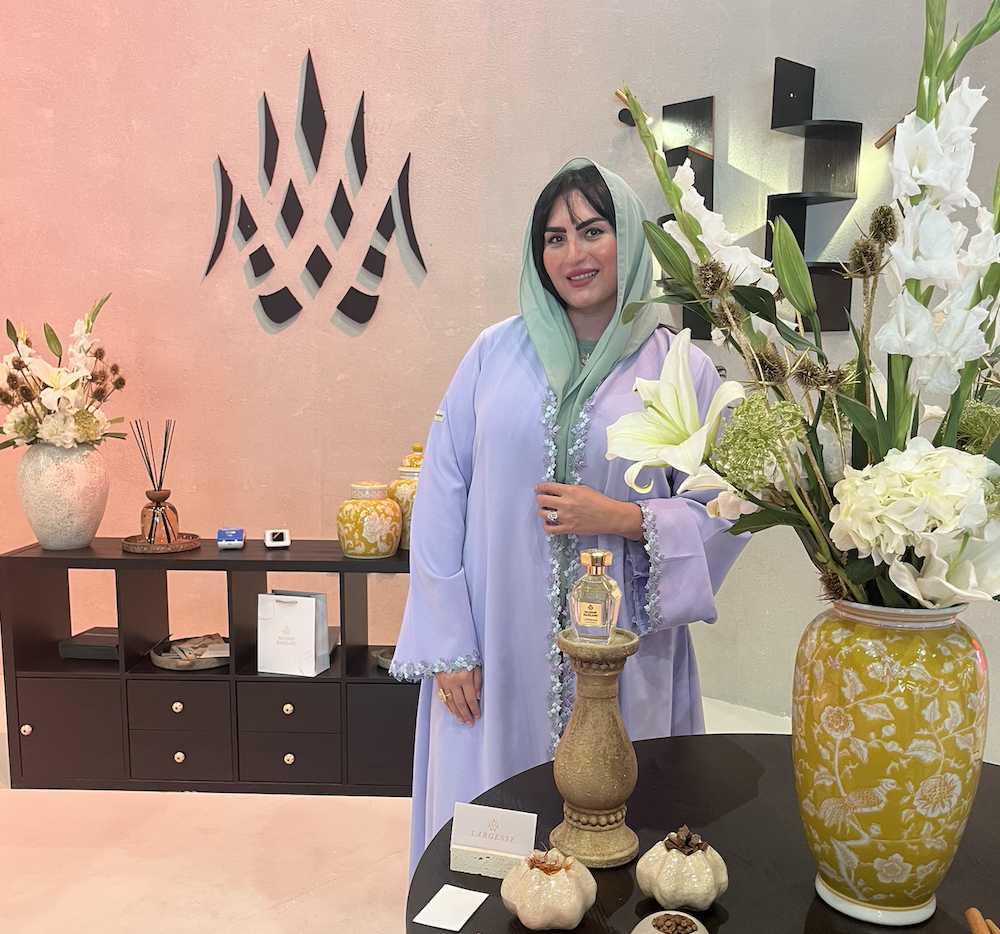
Saudi perfumer Sara Dahlawi, founder of Maison Dahlawi. (AN photo)
“I created my own brand, Maison Dahlawi, about creating emotions in bottles. I have five perfumes, each speaks about special emotions I went through. I also have AlUla perfume inspired by the city.
“Perfume is very connecting, and it helps to express my feelings and through this platform, I’m able to share these personal creations with local and regional audiences. The most unique aspect is putting part of me in the perfumes and touching people’s feelings.”
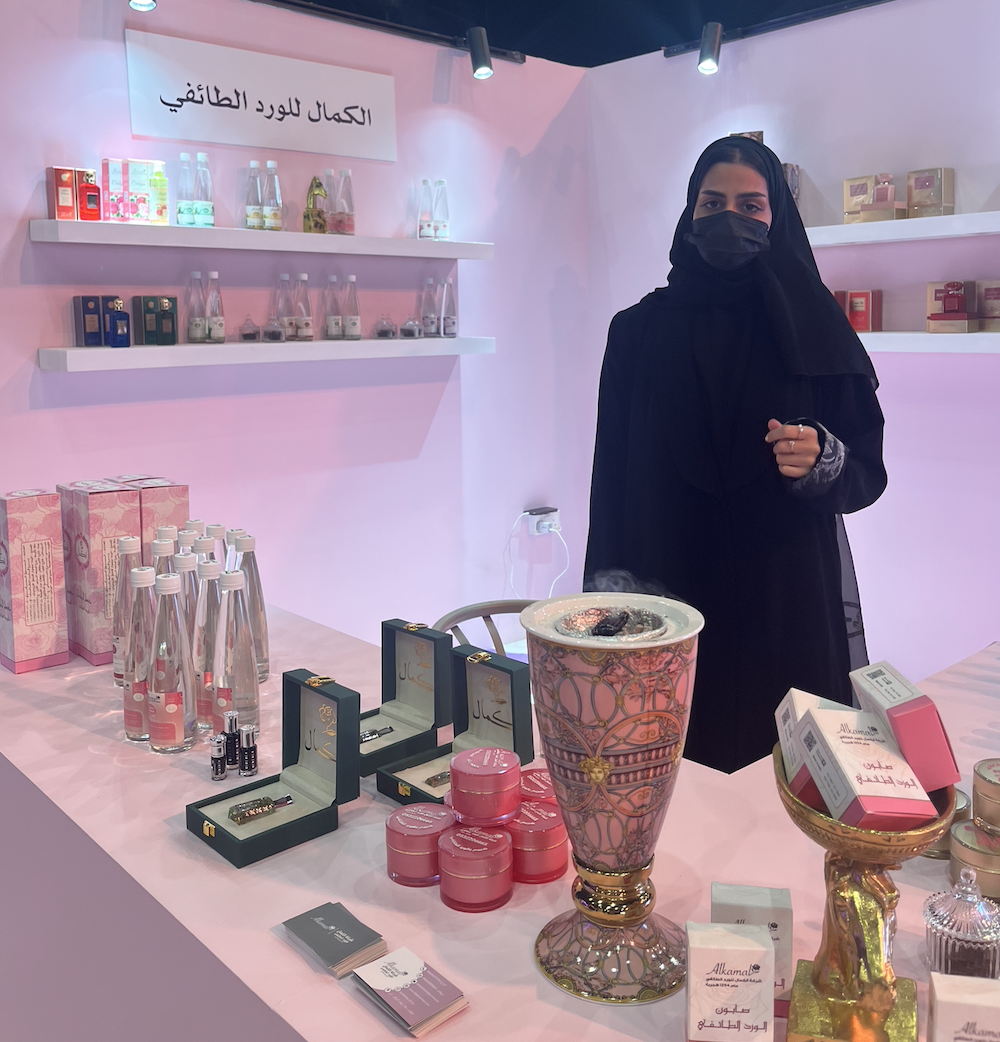
Renad Kamal, founder of Alkamal Rose, emphasized the cultural and emotional role of fragrance: “Rose and fragrance are the essence of happiness and beauty, as they enhance inner well-being, which naturally reflects outward. The use of perfumes and Taif roses helps balance the mood and boost the body’s energy. By taking part, we want to raise awareness about the significance of the Taif rose through our products, from carefully prepared rose oil to organic soaps with long-lasting effects.”
Ten-year-old entrepreneur Maryam Mohammed, owner of Charm Me Jewelry, also displayed her creations. “I have always been interested in doing business, and this event gave me the opportunity to showcase my jewelry, as beauty is not only about makeup, but also jewelry, (that) makes you look beautiful,” she said.
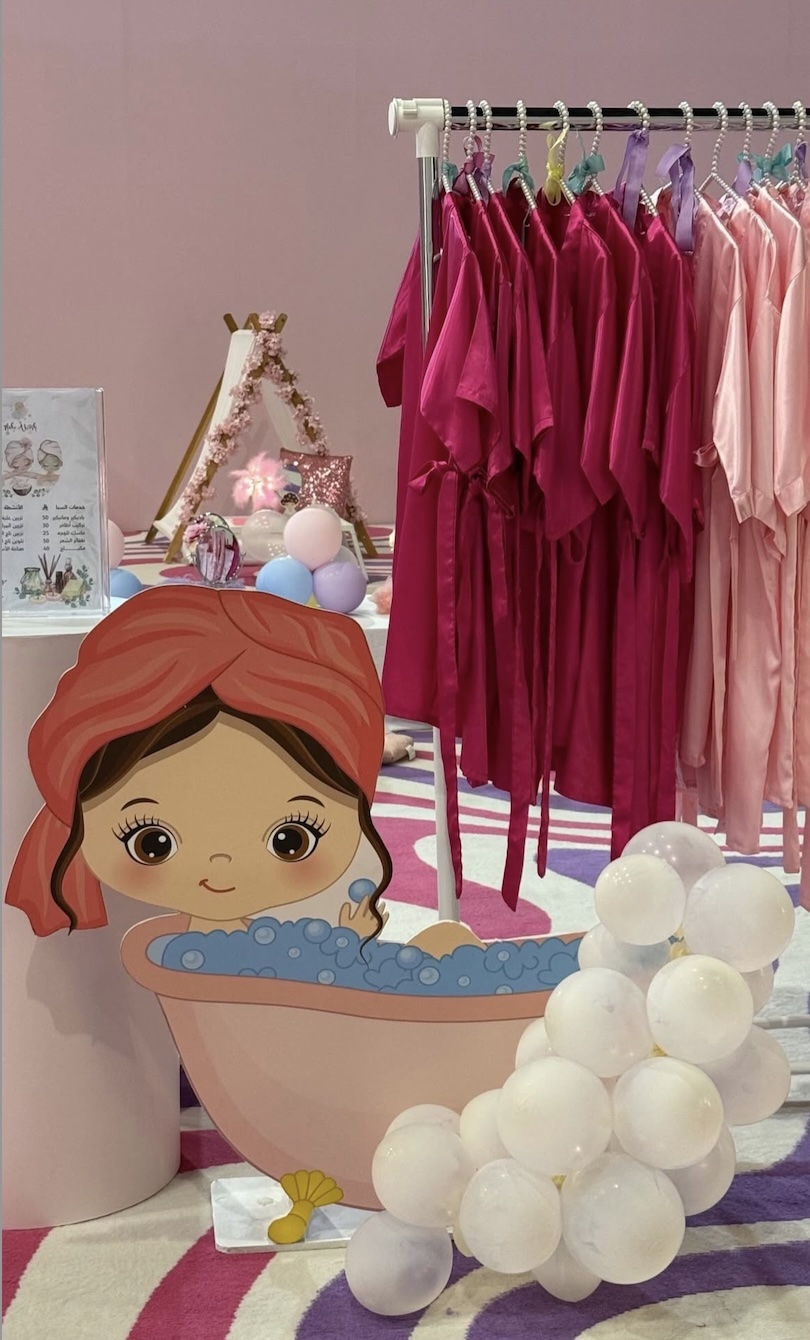
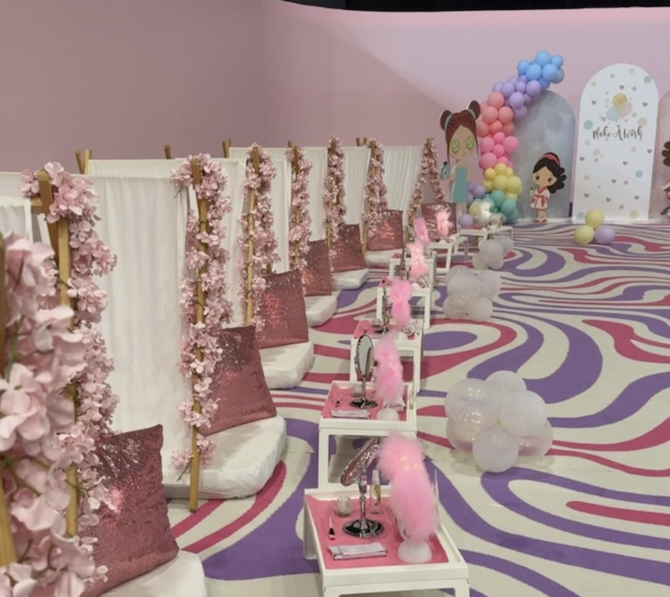
The event includes spaces for children. Asmaa Hamadah, who runs Kids Spa at Jeddah Beauty Week, said: “We have space for children to enjoy manicures, pedicures, spa massage, art activities, and makeup. When parents are busy wandering around the booths, children can have their own time.”