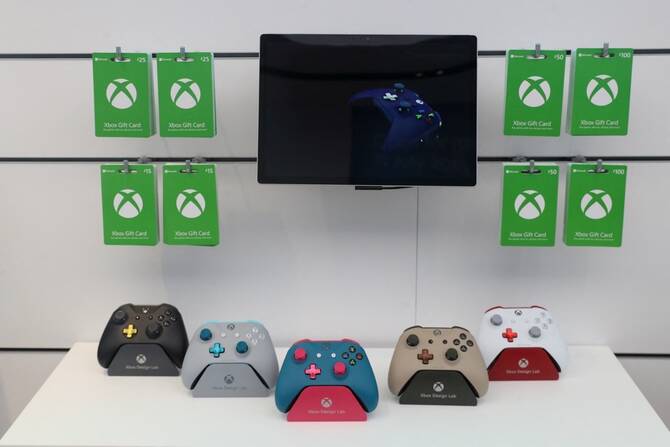
Microsoft said on Friday it is raising the prices of its Xbox gaming consoles in the US for a second time this year, as the cloud giant’s video game division grapples with tariff-induced cost pressures, strong competition and uncertain spending.
The price increases, which Microsoft attributes to “changes in the macroeconomic environment,” will apply to its current generation of hardware, with the one-terabyte Series S set to cost around $450 and the high-end Series X around $650 when the changes go into effect on October 3.
The special edition two-terabyte Galaxy Black Series X will now retail for nearly $800.
Xbox previously raised console prices in May in several markets including the United States, Europe, Australia and the UK, as US President Donald Trump’s tariffs on imports from manufacturing hubs like China threaten to raise the cost of hardware and compress margins.
Paired with the May increases, the Xbox Series X has seen a $150 price hike within six months, potentially leading gamers to curb budgets amid higher inflation levels.
“This price increase is less about opportunism or even the cost of software development. Instead, it is the result of tariff increases and rising costs in the supply chain. Hardware is being repriced to absorb new trade pressures,” said Joost van Dreunen, games professor at NYU Stern School of Business.
Xbox rival Sony also raised the prices of its PlayStation 5 consoles in the US by around $50 last month. Sony’s most expensive PS5 Pro retails for $749.99.
Prices for controllers, headsets and consoles in other markets will remain unchanged, Microsoft said.
Consoles were expected to be the biggest driver of growth in the video game industry this year, due to the launch of new premium titles such as “Grand Theft Auto VI,” and hardware such as Nintendo’s Switch 2. However, title delays and price hikes cast a cloud over the industry’s near-term outlook.


![]()

Microsoft hikes Xbox prices in US once again as tariff challenges persist
Short Url
https://arab.news/22wu3
Microsoft hikes Xbox prices in US once again as tariff challenges persist


Latest updates


Recommended


© 2026 SAUDI RESEARCH & PUBLISHING COMPANY, All Rights Reserved And subject to Terms of Use Agreement.