

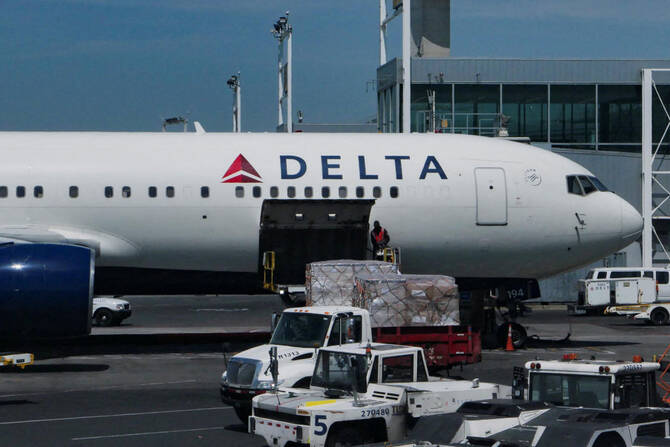

LOS ANGELES: Delta Air Lines has agreed to pay $79 million to settle a class-action lawsuit filed in 2020 after one of its airplanes that was experiencing engine trouble dumped its fuel over schoolyards and densely populated neighborhoods near Los Angeles.
The Delta jet had departed from Los Angeles to Shanghai on Jan. 14, 2020 when it needed to quickly return to Los Angeles International Airport. The Boeing 777-200 landed safely after circling back over Los Angeles while dumping 15,000 gallons of fuel to reach a safe landing weight.
Los Angeles County firefighters were called to schools in the city of Cudahy where nearly 60 schoolchildren and teachers were examined for minor skin and lung irritations. None required hospitalization.
Shortly after, teachers from Park Avenue Elementary School in Cudahy filed a lawsuit against the airline, saying they were exposed to jet fuel that drizzled down like raindrops with “overwhelming” fumes. They described feeling the fuel on their clothes, skin and eyes. Later, several Cudahy homeowners filed a class-action suit.
The teachers said they sought medical treatment after the incident and experienced physical and emotional pain.
Delta said in the lawsuit settlement reached Monday that one of the plane’s two engines lost thrust shortly after takeoff and that the plane, which was carrying enough fuel for the 13-hour flight, exceeded its maximum landing weight by around 160,000 pounds.
The weight of a full load of fuel carries a risk of damaging a jetliner during landing — which can be expensive for an airline to fix. Even if there isn’t damage, airlines try to avoid overweight landings because they are required to inspect planes, which puts them out of service.
The pilots decided to dump fuel “to reduce the serious risks of flying and landing an overweight airplane on just one engine.” the airline said in court documents.
Delta said in court documents that it agreed to the settlement without any admission of liability to avoid the legal expenses of a trial and “to eliminate the distraction and other burdens this litigation has caused to Delta’s business.”
Delta did not immediately respond Friday to a request for comment.


