TAIPEI: A Hong Kong pro-democracy activist and a former lawmaker who are wanted by the city’s authorities have been granted asylum in Great Britain and Australia, respectively.
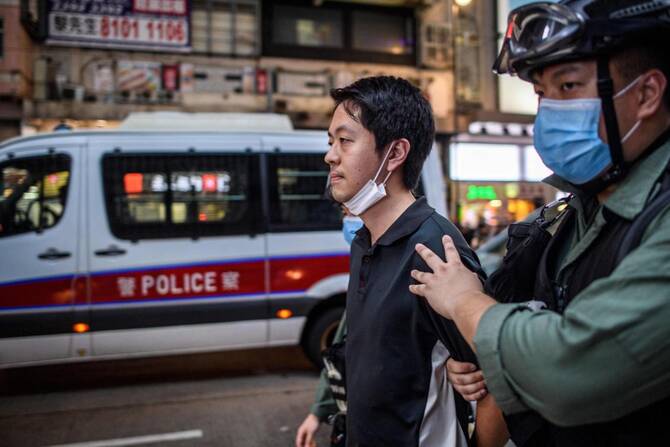
Tony Chung, an activist who was imprisoned under Hong Kong’s sweeping national security law, and Ted Hui, a former lawmaker who was facing trial for his role in anti-government protests in 2019, both announced over the weekend that they have received asylum in the countries where they now live.
They are among dozens of activists on the run from Hong Kong authorities. Civil liberties in the city have been greatly eroded since Beijing in 2020 imposed a national security law essentially criminalizing dissent in the former British colony. Both Beijing and Hong Kong have hailed the security law as bringing stability to the financial hub.
Hui, who fled Hong Kong in December 2020, is part of a group of overseas activists who are targeted by police bounties of up to 1 million Hong Kong dollars ($127,800). The former lawmaker is now working as a lawyer in Adelaide.
He announced on Facebook on Saturday that he and his family have been granted protection visas.
“I express my sincere gratitude to the Government of Australia – both present and former – for recognizing our need for asylum and granting us this protection,” Hui wrote. “This decision reflects values of freedom, justice, and compassion that my family will never take for granted.”
While in Hong Kong, Hui had been an outspoken pro-democracy lawmaker. He was also known for disrupting a legislative session after he threw a rotten plant in the chamber to stop a debate of the national anthem bill – controversial legislation making it illegal to insult the Chinese national anthem. He was subsequently fined 52,000 Hong Kong dollars ($6,600) for the act.
Chung, who had advocated for Hong Kong’s independence, was sentenced to almost four years in prison for secession and money laundering in 2020. He was released on a supervision order, during which he traveled to Japan, from where he fled to Britain seeking asylum.
In a post on social media platform Threads on Sunday, he expressed his excitement at receiving refugee status in Britain along with a five-year resident permit. He said that despite his challenges over the past few years, including persistent mental health problems, he remains committed to his activism.
British and Australian authorities didn’t immediately comment on the activists’ statuses.
Hong Kong’s government did not comment directly on the cases but issued a statement on Saturday condemning “the harboring of criminals in any form by any country.”
“Any country that harbors Hong Kong criminals in any form shows contempt for the rule of law, grossly disrespects Hong Kong’s legal systems and barbarically interferes in the affairs of Hong Kong,” the statement read.


![]()

Hong Kong pro-democracy activists granted asylum in Australia and Britain
Short Url
https://arab.news/pyv6p
Hong Kong pro-democracy activists granted asylum in Australia and Britain
- Tony Chung and Ted Hui both announced they have received asylum in the countries where they now live
- They are among dozens of activists on the run from Hong Kong authorities


Latest updates


Recommended


© 2026 SAUDI RESEARCH & PUBLISHING COMPANY, All Rights Reserved And subject to Terms of Use Agreement.