- The FIA, Pakistan’s premier investigative agency, previously outsourced forensic analyzes, leading to delayed results
- The new lab, equipped with geo-fencing system, will allow for detailed examination of documents through advanced tools
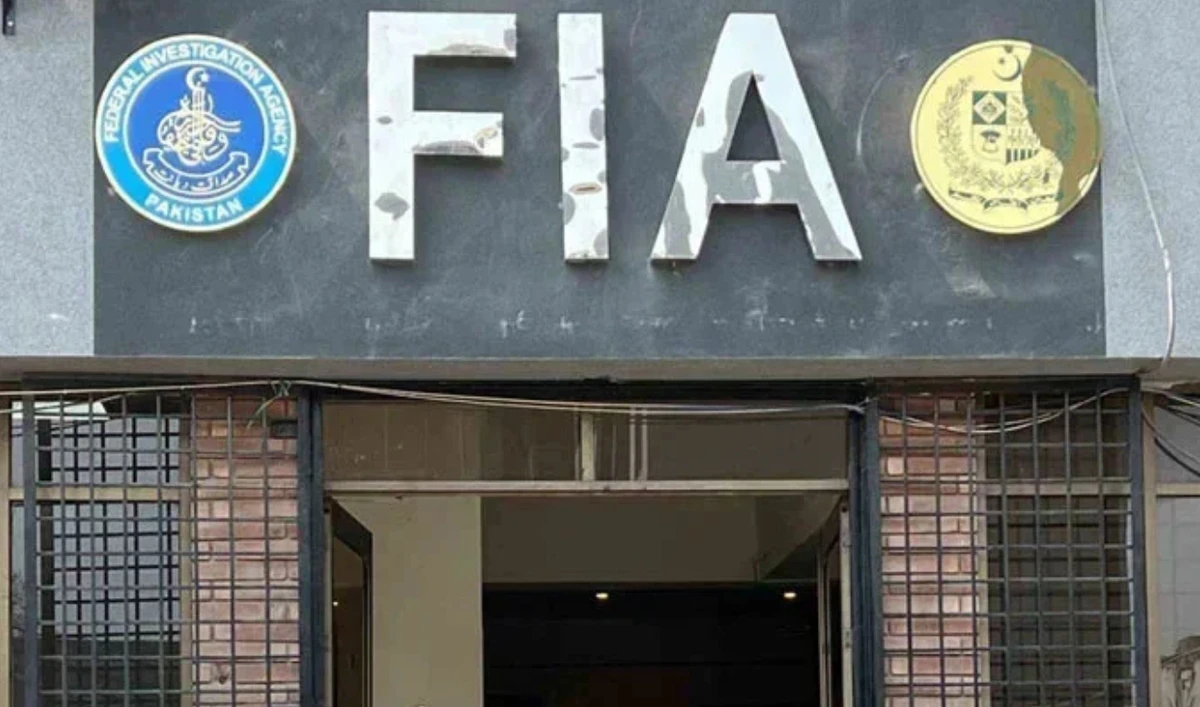
ISLAMABAD: Pakistan has established a new Directorate of Forensic Lab within its Federal Investigation Agency (FIA) to enhance its capacity to examine digital equipment, travel documents and probe financial fraud cases, an FIA spokesperson said on Monday.
The FIA is Pakistan’s premier investigative agency responsible for handling a wide range of national and transnational crimes, including cybercrime, human trafficking, immigration violations, financial fraud, militancy and corruption.
Within the agency, investigators faced challenges including outdated tools, limited funding, and a lack of advanced hardware and software for forensic investigations, according to officials.
The agency previously outsourced forensic analyzes, particularly of documents, digital media and banking frauds, to the overburdened Punjab Forensic Science Agency (PFSA) or regional labs, leading to delayed results.
“Restructuring process continues in FIA as a new Directorate of Forensic Lab [has been] established at the headquarters of the agency,” FIA spokesperson Abdul Ghafoor told Arab News, adding the new facility would enhance the FIA’s forensic examination capabilities and modernize its investigative process.
“The forensic lab will allow for detailed forensic examination of travel documents as the directorate is equipped with advanced technological tools and facilities.”
With the increasing use of mobile phones and laptops in crimes, Ghafoor said, forensic analysis of gadgets has become essential to obtain verified data and present it as evidence in court.
“Digital forensics of mobile phones and laptops used by suspects will be conducted using state-of-the-art equipment and also fingerprint analysis of suspects will also be possible [through the lab],” he added.
The directorate has been equipped with a geo-fencing system and represents a significant step toward establishing a modern and effective investigation system, according to the official. It will also provide technical support in investigating banking fraud cases.
Top former FIA officials believe establishing the new forensic directorate was a “long-overdue step” and it will help FIA investigations by enabling reliable digital evidence collection in both cyber and financial crime domains.
“This was a long-overdue step as manual methods of analysis have more possibility of error margins and inconsistent results, which hampered the progress of investigations,” Ammar Jaffery, a former FIA director-general, told Arab News.
He said digital forensic capabilities were critical in today’s complex crime landscape, which ranges from cybercrime to document forgery.
“This new directorate will not only ensure accurate and timely analysis but will also strengthen the agency’s ability to gather admissible evidence, and support prosecution,” Jaffery added.
Bashir Memon, another former FIA DG, said mobile devices were now central to most criminal investigations, including those of extortion, harassment and militancy.
“Without proper digital forensic tools, crucial evidence often remained hidden or was challenged in court,” he told Arab News.
“The new forensic directorate enables precise mobile data extraction, call pattern analysis, and geo-fencing, which are essential for building strong, court-admissible cases.”
In cases of financial and bank frauds, Memon said, traditional investigation methods were insufficient to trace digital footprints, track money trails, or verify forged documents.
“With the digital forensic lab equipped with the modern technology, FIA can now authenticate financial records, detect manipulated transactions, and verify identities linked to fake accounts or forged passports vastly improving outcomes in white-collar crime cases,” he added.