


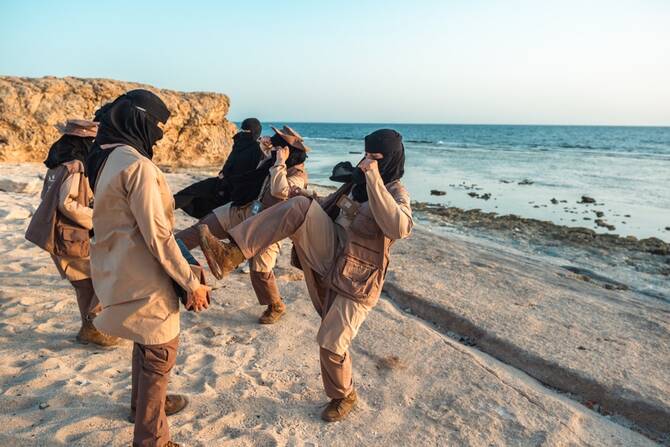

JEDDAH: In a big step for marine conservation and gender inclusion, the Prince Mohammed bin Salman Royal Reserve has launched the Middle East’s first female sea ranger corps.
The announcement coincided with World Ranger Day and marks a pivotal shift in efforts to address gender imbalance in environmental protection roles.
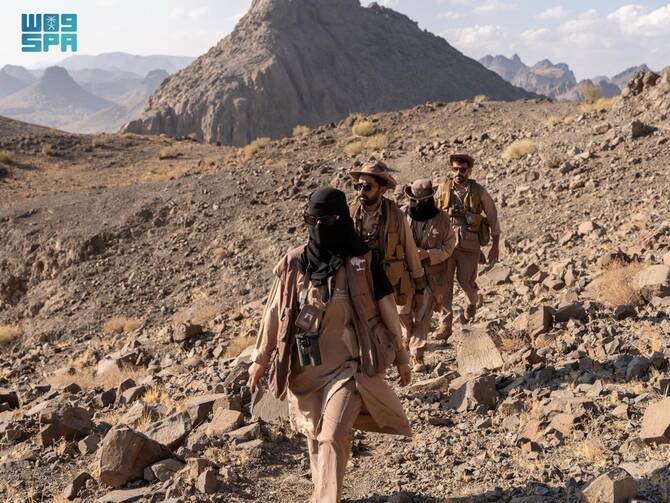
The new marine rangers form part of the reserve’s 246-strong ranger team, with women making up 34 percent of the unit’s strength. They patrol the reserve’s 170 km Red Sea coastline alongside male rangers and Saudi Border Guard units.
“Seven incredible women make up our first group of female marine rangers, and we’re proud of each of them,” Andrew Zaloumis, CEO of the reserve, told Arab News.
Among the pioneering group is Ruqayyah Awadh Al-Balawi, who has served at the reserve for three years. She was part of the first ranger intake and is now a qualified sea ranger.
“I have discovered a whole new world underwater. I’m proud to be part of the first group of women to learn how to swim at Prince Mohammed bin Salman Royal Reserve,” she told Arab News. “I dream of the day when a woman serves as the skipper of the reserve’s marine patrol boat.”
Another trailblazer, Ghaida, from the coastal town of Al-Wajh within the reserve, has worked as a ranger for two years and was among the first to enroll in the reserve’s swimming training program.
At first, Ghaida said, she struggled to find confidence in the water. But with dedication and support, she overcame her fears.
“It felt peaceful and beautiful, like discovering a new world,” she told Arab News of her first swim in the sea. “That moment gave me confidence and made me feel stronger.”
Today, Ghaida credits swimming with helping her feel more focused and less stressed, both professionally and personally.
The role of female sea rangers includes patrolling the coastline, monitoring marine life, enforcing environmental regulations, and contributing to marine research and ecosystem restoration efforts.
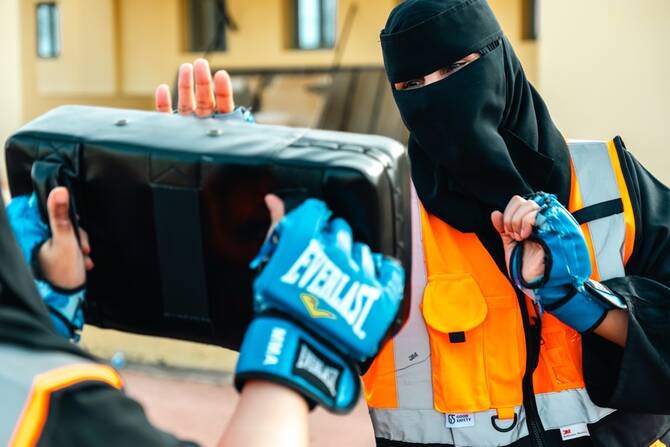
All rangers undergo rigorous training, which includes first aid, self-defense, conservation techniques, patrolling, and ecological monitoring.
To qualify as marine rangers, women complete an intensive swimming program designed to equip them with the physical and technical skills needed to operate in open water. Their fitness is assessed monthly to ensure readiness for the job’s physical demands. The next step for the new recruits is skipper training.
The move comes amid growing global awareness of gender imbalance in the conservation sector, especially in marine roles.
“This is a significant step forward in addressing conservation’s historical regional and global gender imbalance. Only 11 percent of rangers globally are female and just 1 percent of those working in the blue economy are female,” Zaloumis said.
“By hiring and training women as marine rangers, we’re showing through tangible results that women belong in this field and bring real value.
“Since launching our female ranger corps, we’re seeing more women enter conservation across the Kingdom, with female graduates at NCW and female rangers at AlUla. Regional organizations are now asking how to implement similar programs.”
Zaloumis said that when the reserve recruited its first ranger corps in 2021, women were encouraged to apply. Today, female rangers comprise 34 percent of the workforce, just 1 percent below Vision 2030’s target for women in the labor market, and far exceeding the global average of 11 percent.
“Women bring essential skills to conservation,” he added. “As Saudi Arabia progresses toward the global goal of protecting 30 percent of the Earth’s land and sea by 2030, we are committed to building the skilled, inclusive ranger teams needed to power conservation in the Kingdom.”
Zaloumis underscored the contribution of female rangers in protecting the reserve’s rich marine biodiversity.
“They’re on the frontlines, keeping watch, collecting data, and making sure our marine environment is respected. Their presence also sends a strong message: that everyone, men and women have a role in protecting our natural heritage.”
The reserve’s ranger corps play a key role in achieving the goals of the Saudi Green Initiative and the reserve’s mission to “Rewild Arabia.”
Rangers are responsible for safeguarding the natural and cultural assets of the 24,500 sq km protected area, both on land and sea.
Their tasks include ecological monitoring, species reintroduction, wildlife management, and ensuring environmental compliance in development projects.
Since 2022, the reserve’s rangers have conducted nearly 35,000 patrols. Female rangers work side by side with their male counterparts across the reserve’s terrestrial area.
However, until now, none had served at sea, due to limited access to swimming instruction and marine sector opportunities.
That changed in July 2024 with the launch of a comprehensive swimming and marine training program, led by Senior Regional Manager Dominique du Toit, an experienced terrestrial and marine conservationist from South Africa.
One year later, the first seven female rangers have completed training and joined patrols of the reserve’s 3,856 sq. km marine zone.
“The training program highlights the rangers’ dedication and discipline to learn new skills,” said du Toit. “This has been, and remains, an incredible accomplishment and these rangers can be proud of the challenge they have overcome.”
The reserve’s marine area, covering 1.8 percent of Saudi Arabia’s territorial waters, is home to 64 percent of the Kingdom’s coral species, 22 percent of its fish species, and populations of endangered marine life, including hawksbill and green turtles, spinner dolphins, dugongs and whale sharks.
To ensure their protection, the reserve’s sea rangers operate from two custom-designed patrol boats, helping to conserve one of the Kingdom’s most ecologically significant marine areas.