ANKARA: The European Union has eased rules for Turks to use its open-border Schengen area, the bloc’s ambassador to Ankara said on Friday, calling for the urgent revival of negotiations on visa-free travel for Turks.
For years, Turks have complained about the EU’s visa system. The EU has said the processes — managed by accredited visa agencies — have been slow due to the high number of applications and that it is discussing possible workarounds with Ankara.
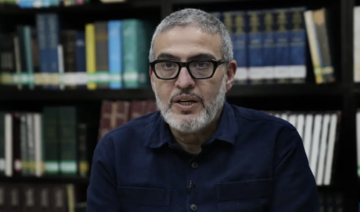
Ambassador Thomas Hans Ossowski said the new rules would help address Turks’ complaints over long bureaucratic processes, but warned it was not enough to permanently solve the problems.
“It will be much easier and much faster for Turkish citizens,” Ossowski told reporters in Ankara, referring to the European Commission’s new decision, in effect since July 15, simplifying the path to multiple-entry visas for Turks.
Turks who previously used visas correctly will be eligible for a six-month visa as early as their second application, followed by one-year, three-year and five-year multiple-entry visas.
Turkiye has been an EU membership candidate since 1999 but its accession process has been frozen for years over issues ranging from human rights to democratic backsliding. There have recently been signs of increased engagement and economic cooperation.
Ossowski said the EU had for more than a decade offered Turkiye the prospect of visa-free travel and stressed the need to return to the liberalization process.
“Every other candidate country has visa-free travel except Turkiye,” he said. “It is urgent to re-engage in this process of visa-free travel in the Schengen space and the EU,” he added.
The Commission is ready to restart formal negotiations after the summer and work with Ankara on fulfilling the six remaining benchmarks required by the visa liberalization roadmap, he said.
“We are ready, the Commission is ready to work closely with Turkish authorities,” he said.


![]()

EU eases Schengen visa rules for Turks; envoy urges further moves

Short Url
https://arab.news/9rkwk
EU eases Schengen visa rules for Turks; envoy urges further moves
- Ambassador Thomas Hans Ossowski said the new rules would help address Turks’ complaints over long bureaucratic processes, but warned it was not enough to permanently solve the problems

Latest updates


© 2026 SAUDI RESEARCH & PUBLISHING COMPANY, All Rights Reserved And subject to Terms of Use Agreement.