

Saudi PIF-backed Diriyah project awards $1.53bn arena contract to China Harbor

1 / 4
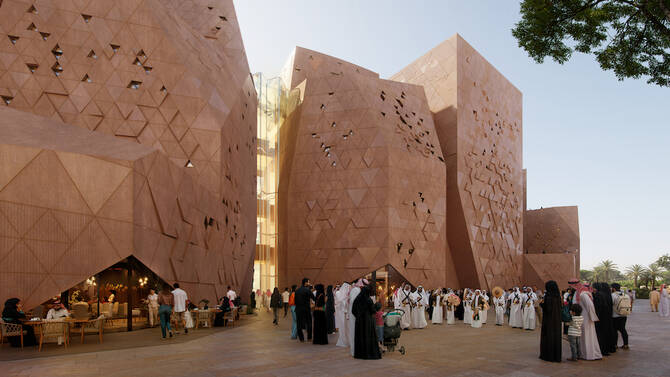
The Diriyah project, located on the northwestern outskirts of the capital, Riyadh, is one of five giga-projects backed by PIF under the Vision 2030 plan. Supplied
2 / 4
The Diriyah project, located on the northwestern outskirts of the capital, Riyadh, is one of five giga-projects backed by PIF under the Vision 2030 plan. Supplied
3 / 4
The Diriyah project, located on the northwestern outskirts of the capital, Riyadh, is one of five giga-projects backed by PIF under the Vision 2030 plan. Supplied
4 / 4
The Diriyah project, located on the northwestern outskirts of the capital, Riyadh, is one of five giga-projects backed by PIF under the Vision 2030 plan. Supplied
Short Url
Updated 16 July 2025
Follow

Saudi PIF-backed Diriyah project awards $1.53bn arena contract to China Harbor

  • District will include Diriyah Arena, three mixed-use office buildings, and parking facility
  • It is expected to contribute around SR70 billion to GDP

JEDDAH: Saudi Arabia’s entertainment landscape is set for a major boost with the awarding of a SR5.75 billion ($1.53 billion) contract to construct a 20,000-seat arena as part of the Diriyah development. 

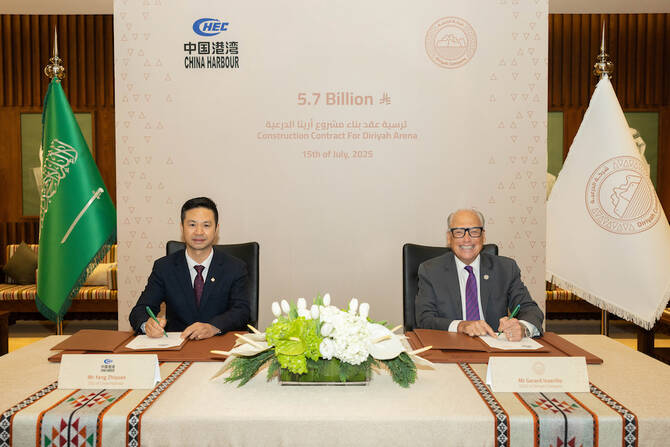
Diriyah Co., a subsidiary of the Public Investment Fund, has awarded the contract to a branch of China Harbor Engineering Co. for the Arena Block, a district that will include the Diriyah Arena, three mixed-use office buildings, and a parking facility, the company announced. 

Spanning approximately 74,000 sq. meters, the Diriyah Arena is designed to host concerts, sports, esports, exhibitions, and live performances to attract residents and international visitors. 

The Diriyah project, located on the northwestern outskirts of the capital, Riyadh, is one of five giga-projects backed by PIF under the Vision 2030 plan and aims to transform the Kingdom’s economic and tourism sectors. 

Upon completion, it is expected to contribute around SR70 billion to the gross domestic product, generate nearly 180,000 jobs, and accommodate approximately 100,000 residents. 

“The iconic Diriyah Arena will be a landmark entertainment complex in Diriyah that reinforces the City of Earth’s growing global role in shaping Saudi Arabia’s artistic and cultural future, in alignment with Vision 2030,” Jerry Inzerillo, group CEO of Diriyah Co., said.

The contract is the latest step in the company’s ongoing 2025 development drive, marking continued progress on the project. 

Yang Zhiyuan, CEO of the Chinese firm for the Middle East, said: “CHEC will bring to the project a wealth of global experience, technical expertise, and a proven track record in delivering the complex.” 

Designed by global firm HKS Inc., the structure blends traditional Najdi architecture with modern elements, reflecting Diriyah’s cultural heritage and global outlook. 

The broader Arena Block will also include three mixed-use office buildings designed by John McAslan + Partners, covering 114,000 sq. meters, along with over 4,000 parking spaces to support the stadium and surrounding offices. 


Egypt targets 5 million tonnes of local wheat next year

Updated 16 November 2025
Follow

Egypt targets 5 million tonnes of local wheat next year

  • Egypt typically imports about 10 million tonnes a year, with the state buyer obtaining roughly half of that for the country’s bread subsidy program on which 70 million people rely

CAIRO: Egypt has targeted procurement of 5 million tonnes of local wheat next season as it moves away from being one of the world’s top wheat importers to self-sufficiency, the Supply Ministry said on Sunday.

Egypt typically imports about 10 million tonnes a year, with the state buyer obtaining roughly half of that for the country’s bread subsidy program on which 70 million people rely.

In the first half of this year, however, imports were a quarter less than the same period last year, according to shipping and trading data reviewed by Reuters. The government’s share of those imports dropped by more than half to about 1.6 million tonnes, reflecting slower procurement since the state buyer changed from the General Authority for Supply Commodities to the Future of Egypt for Sustainable Development. The ministry said that it procured more than 4 million tonnes of wheat during the domestic harvest.

Reserves of strategic commodities are within safe buffers and as high as last year or higher in some commodities, the Supply Ministry added without providing more data.

In November 2024, Egypt’s wheat stocks covered five months of consumption, below the six-month threshold Egypt hopes to maintain. 

Last week Reuters reported that the Future of Egypt, which took over purchasing in December, had ditched the formal tenders of GASC in favor of informal negotiations, spurring mounting trade tensions and a drop in Egypt’s wheat imports.