RIYADH: Tesla’s arrival in Saudi Arabia signals a turning point in the Kingdom’s ambitious electric mobility strategy, with close to half of its citizens now open to purchasing an electric vehicle.
With a target of 30 percent EV adoption by 2030 under Vision 2030, Saudi Arabia has gained a powerful ally in Tesla — one that could accelerate progress through competitive pricing, charging infrastructure investments, and potential local manufacturing deals.
This move not only brings one of the world’s most recognizable EV brands to Saudi consumers but also supports the nation’s broader push toward sustainable mobility.
This is also set to be boosted with the launch of the Kingdom’s first homegrown EV brand, Ceer, with production set to begin in 2026.
In an interview with Arab News, Alessandro Tricamo, partner at Oliver Wyman’s transportation and services practice, noted that while EVs currently make up just over 1 percent of vehicle sales, consumer interest is rising. “Nearly half of Saudi citizens say they are considering an EV purchase in the coming years,” he said.
A win-win proposition
Tesla’s arrival comes at a critical time for the company and the Kingdom alike. The American automaker, facing increasing competition from Chinese rivals like BYD and declining sales in traditional markets, sees Saudi Arabia as a promising new frontier.
Tricamo explained: “Tesla’s entry into the Saudi market is potentially a significant win-win situation. With its leadership position increasingly challenged by BYD and other manufacturers — and with sales declining in the US and Europe — Tesla is looking to open up new markets.”
He added: “Saudi Arabia, while investing heavily in public transport and mass transit, remains a car-centric country where Tesla’s brand is resonant. This makes the Kingdom a promising growth opportunity for the OEM (Original Equipment Manufacturer).”
Tesla’s Riyadh showroom and service center, along with pop-up stores in Jeddah and Dammam, introduce Saudi drivers to the Model 3, Model Y, and Cybertruck — a clear signal of the company’s long-term commitment to the region.
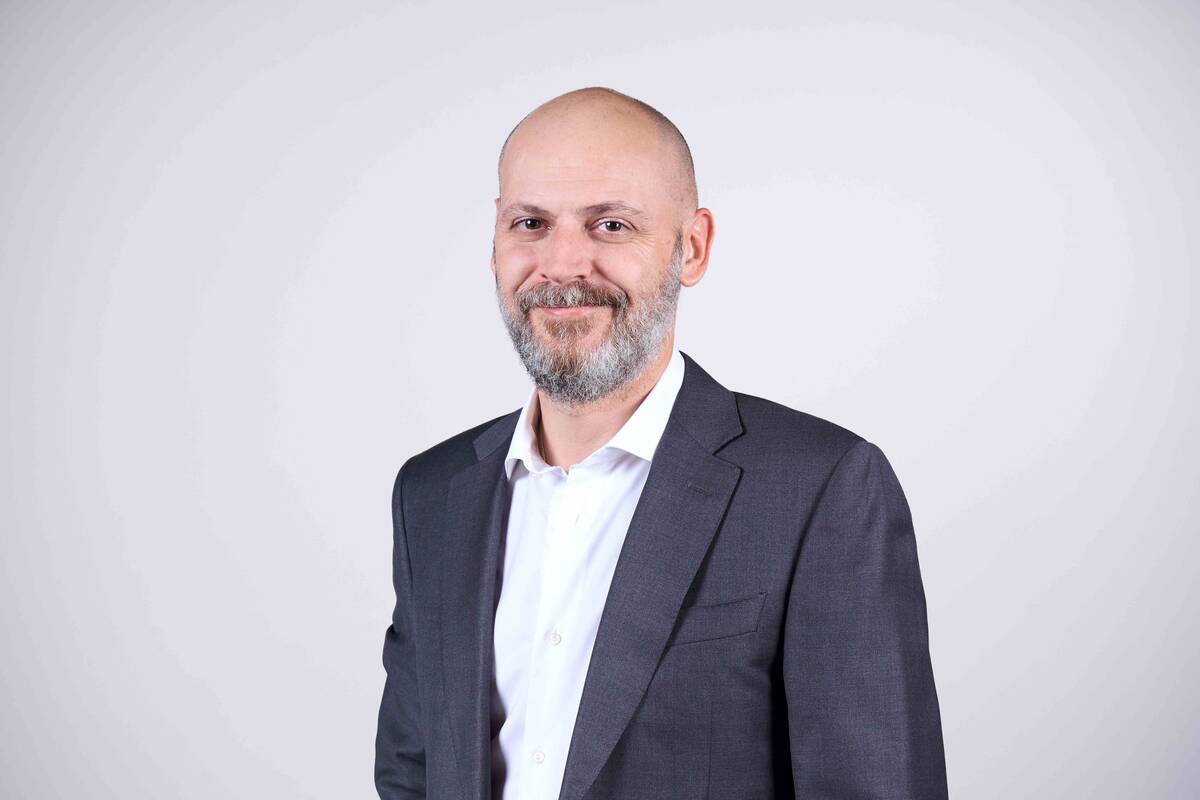
Alessandro Tricamo, partner at Oliver Wyman’s transportation and services practice. Supplied
Fixing infrastructure gap
One of the biggest roadblocks to mass EV adoption is Saudi Arabia’s underdeveloped charging network. With just 101 public charging stations in 2024 — behind the UAE’s 261 — range anxiety remains a major deterrent for potential buyers.
Oliver Wyman’s Tricamo underscored the urgency of infrastructure expansion, saying: “Expanding the Kingdom’s charging infrastructure is arguably the single most critical factor in accelerating EV adoption. As of 2024, Saudi Arabia has around 100 public charging stations, primarily concentrated in Riyadh.”
He added: “For comparison, the UAE has nearly three times as many, despite having only a third of Saudi Arabia’s population.”
To address this, Saudi authorities are rolling out high-speed charging stations along key routes, including the 900 km Riyadh-Makkah corridor, which currently lacks any charging points. Tesla’s planned Supercharger network — open to other brands — could be a game changer if deployed swiftly.
However, rapid infrastructure expansion brings its own risks. Taline Vahanian, placement leader at Marsh UAE, an insurance broker and risk adviser, warned that high-speed charging stations, by their nature, handle significant electrical loads and integrate advanced digital control systems.
“This exposure brings a range of liability risks — from electrical malfunctions that might result in fires or physical injuries to property damage caused by system failures or cyberattacks,” she told Arab News, adding: “Additionally, integrating an array of new charging stations into an evolving power grid presents operational challenges such as voltage fluctuations, grid stability issues, and the necessity for specialized, regular maintenance.”
A new EV manufacturing hub?

Lucid is majority owned by the Public Investment Fund. Getty
While Tesla makes its retail debut, Lucid Motors — backed by Saudi Arabia’s Public Investment Fund — is already establishing local production, with a Jeddah factory set to manufacture thousands of EVs annually. This positions the Kingdom as a potential regional EV production hub, reducing reliance on imports.
Vahanian highlighted the challenges of local production, saying: “On the supply chain front, vulnerabilities arise as the industry remains heavily dependent on imported components and critical raw materials. These dependencies are susceptible to international trade disruptions or logistical bottlenecks.”
She added: “Harmonizing standards and streamlining certification processes on the regulatory front will be crucial; any delays or misalignments with international standards could disrupt production schedules and cause cascading delays.”
Can EVs survive Saudi summers?
Extreme temperatures pose another major challenge for EV adoption. Lithium-ion batteries degrade faster in heat, raising concerns about long-term durability.
Tesla and Lucid are countering this with advanced liquid cooling systems and heat-resistant materials, while Saudi researchers are exploring solid-state batteries for better performance.
Vahanian emphasized the risks, saying: “In Saudi Arabia’s harsh desert climate, battery safety is a paramount concern. EV batteries rely on sophisticated thermal management systems, yet extreme ambient temperatures can accelerate degradation and — even in rare cases — trigger thermal runaway or fire incidents.”
She added that compounding this risk is the “nascent state” of the charging infrastructure, which must contend with sand, dust, and persistent heat stress — all of which elevates the possibility of technical failures and unexpected downtime.

Taline Vahanian, placement leader at Marsh UAE. Supplied
Tricamo offered a more optimistic view: “I believe the impact of extreme heat on EV performance is often overstated. While high temperatures can pose challenges for batteries, such conditions are limited to certain periods, and battery technology is improving rapidly to support performance across a wide temperature range.”
He added: “EVs have been operating in the region for several years with virtually no performance issues. A more relevant environmental concern may be sand and dust, which can affect charging stations and equipment. But even here, mitigation measures are relatively straightforward and already well understood.”
Insurance and cost
Another hurdle is the higher cost of insuring EVs compared to traditional vehicles.
Vahanian explained that unlike traditional cars powered by internal combustion engines, EVs rely on sophisticated battery systems, state-of-the-art electronics, and specialized components that require expert handling.
“When collisions or mishaps occur, repairing these systems can be significantly pricier than conventional repairs. Limited availability of repair facilities and trained technicians — particularly in emerging markets like KSA — exacerbates these costs,” she said.
The Marsh UAE official added that insurers are adapting but warns of potential premium hikes: “Insurance companies, which traditionally set premiums based on anticipated claim payouts and repair costs, are therefore likely to face higher liabilities. In anticipation, we can expect a recalibration of premiums, reflecting a more accurate risk profile and the amplified repair costs associated with EVs.”
Vahanian went on to say: “Higher repair costs inevitably feed into the economics of risk assessment for insurers. As claims tend to rise with the complexity and expense of EV repairs, premium rates may correspondingly increase to maintain the insurers’ financial stability.”
She noted that higher EV insurance premiums could have a dual effect — while buyers are attracted by lower fuel costs and environmental benefits, steep insurance rates might weaken their appeal, particularly given the already high upfront costs.
The road to 2030
Despite these challenges, Saudi Arabia’s EV revolution is undeniably gaining momentum. Tricamo stressed that government intervention will be crucial. “To accelerate the transition, targeted government intervention will be essential — both to level the playing field and to fast-track the decarbonization of mobility,” he said.
Tricamo added that petrol vehicles remain significantly cheaper to operate in the region due to low fuel prices and a lack of EV incentives, while limited charging infrastructure further hinders widespread adoption.
Vahanian echoed this sentiment, calling for collaboration between policymakers and insurers, saying: “By collaborating with insurance providers, policymakers can create schemes that provide favorable premium rates or bundled services, thereby alleviating consumer concerns and accelerating market penetration.”
Full speed ahead
With Tesla’s market entry, Lucid’s local production, and government-backed infrastructure investments, Saudi Arabia is fast-tracking its EV transition. Yet hurdles like charging deserts, affordability, battery resilience, and insurance costs must be overcome to reach the 30 percent adoption goal.