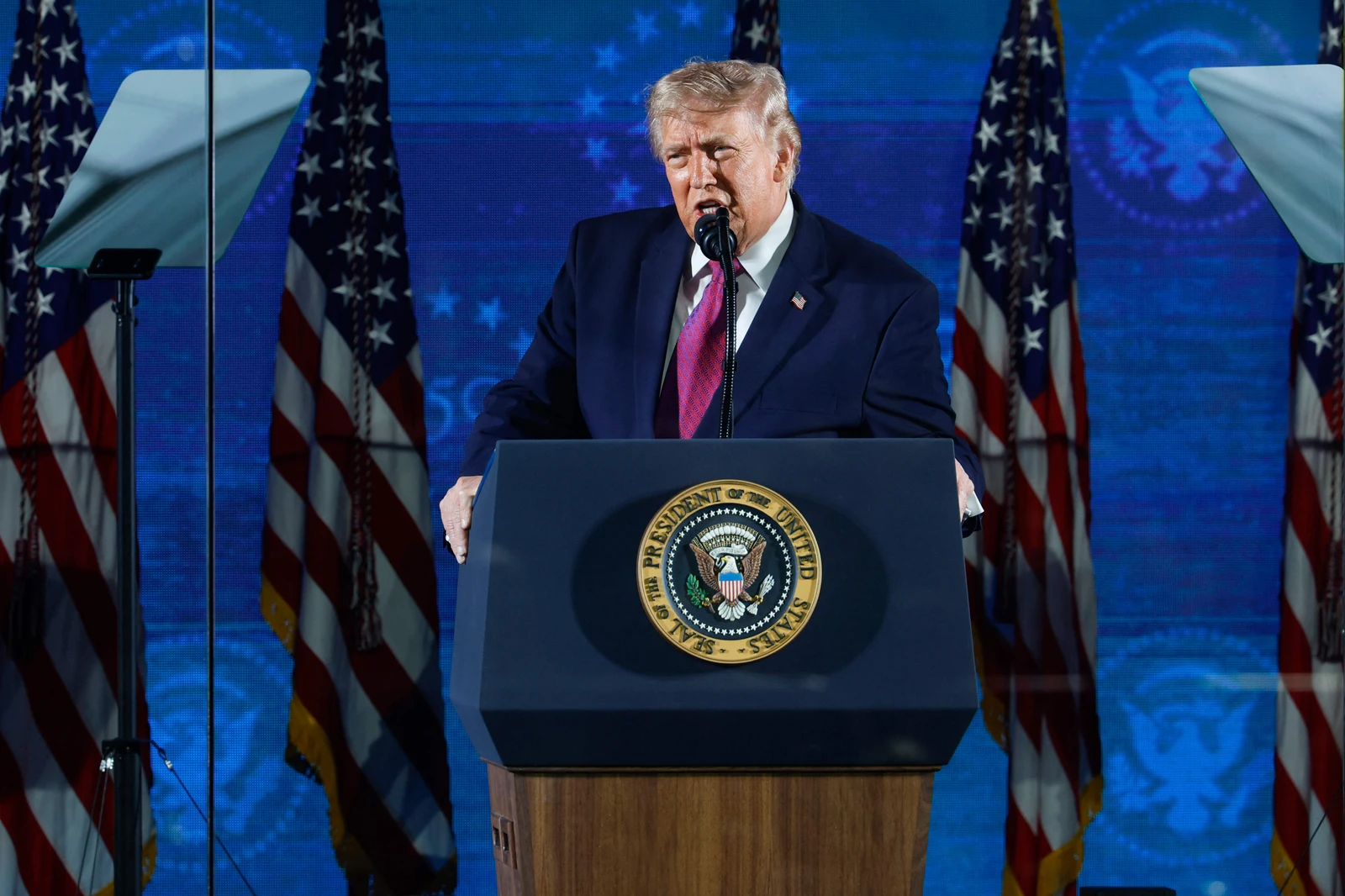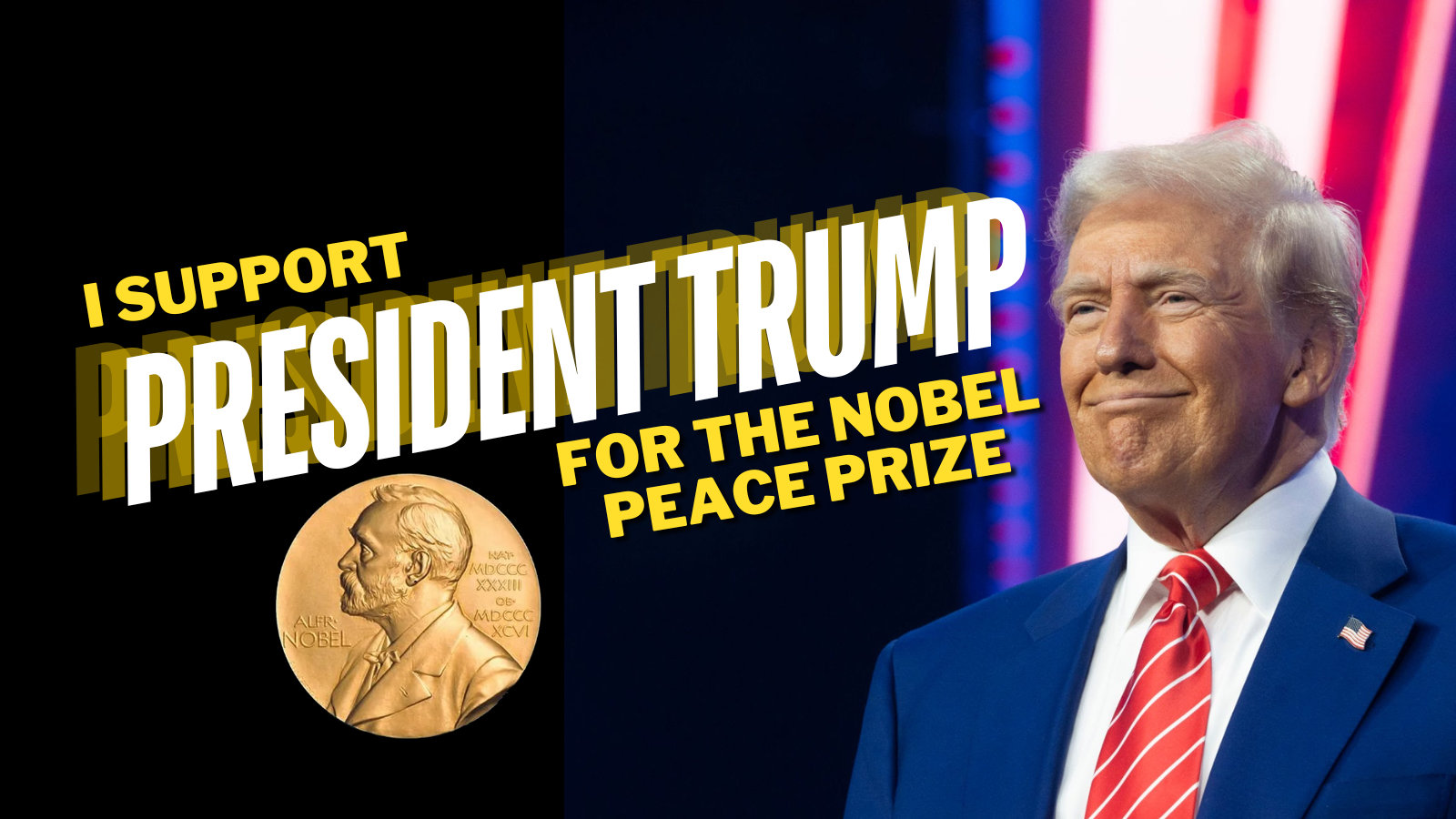
- On Wednesday, Israel's PM Netanyahu showed Trump a letter nominating the US president for the Nobel Prize
- The mercurial Republican president, who wants to be known as a peacemaker, has long coveted the prestigious award
WASHINGTON: World leaders, lawmakers and even one Native American tribe are deploying a novel strategy for remaining on good terms with President Donald Trump: Praise his peacemaking efforts and nominate him for a Nobel Peace Prize.
The announcements of nominations are piling up for the mercurial Republican president, who has long coveted the prestigious award. The honor, according to Albert Nobel’s wishes, is given to “the person who shall have done the most or the best work for fraternity between nations, for the abolition or reduction of standing armies and for the holding and promotion of peace congresses.”
Peace prize nominations for Trump date to his first term, but he’s talking more in his second about how he’s helping to end conflicts, how he wants to be known as a peacemaker and how much he wants to be awarded a prize.
Fellow leaders, politicians and others have taken notice. Critics say Trump policies that have sown division in the US and around the world make him unfit for a peace prize and he’s being manipulated with the nominations.
On Monday, as Benjamin Netanyahu was in Washington to talk to Trump about Iran and the war in Gaza, the Israeli leader had something else to share with the president as they sat across from each other at a table set for their dinner meeting in the White House Blue Room.
“I want to present to you, Mr. President, the letter I sent to the Nobel Prize committee. It’s nominating you for the peace prize, which is well deserved, and you should get it,” Netanyahu told Trump as he rose from his seat to hand over a copy of the letter.
Trump thanked him. “Coming from you in particular, this is very meaningful,” the president said.
A group of African leaders had their turn with Trump a few days after Netanyahu.
The leaders referenced the US role in mediating a recent agreement between Rwanda and the Democratic Republic of Congo to bring peace after decades of bloody conflict that has killed millions. Representatives from both countries signed the deal in the Oval Office in front of Trump.
“And so he is now bringing peace back to a region where that was never possible so I believe that he does deserve a Nobel Peace Prize. That is my opinion,” said Gabonese President Brice Oligui Nguema.
White House spokesperson Anna Kelly said Thursday, “President Trump was nominated for the Nobel Peace Prize due to his proven record of securing peace around the world.” She added, “Thanks to this President’s leadership, America is respected again, making the entire world safer and more prosperous.”
The Nobel prizes are determined in secret. Nominations can come from a select group of people and organizations, including heads of state or politicians serving at a national level, university professors, directors of foreign policy institutes, past Nobel Prize recipients and members of the Norwegian Nobel Committee itself.
Past recipients of the Nobel Peace Prize include former Presidents Jimmy Carter and Barack Obama, both Democrats.
READ MORE: Nobel: The prize for peace that leaders go to war for
Last month, as Trump announced the Rwanda-Congo deal, he complained that he’d never get a Nobel Peace Prize despite everything he’s done, ranging from the Abraham Accords of his first term, in which Bahrain and the United Arab Emirates normalized relations with Israel, to recently easing renewed tensions between India and Pakistan, among others.
Pakistan nominated Trump for the peace prize last month but then turned around and condemned him a day later after he bombed Iran’s nuclear facilities. Trump later worked with Israel and Iran to end their short war.
As a candidate, Trump promised he would end the Russia-Ukraine war on his first day in office before saying later as president that he was joking. But solving that conflict, as well as Israel’s war against Hamas in Gaza, has so far eluded Trump.
His supporters, including lawmakers in Congress, are trying to help make Trump’s dream come true.
Sen. Bernie Moreno, R-Ohio, has called on the Senate to nominate Trump, while Sen. Marsha Blackburn, R-Tennessee, asked her social media followers to share her post if they agree with her that he deserves it.
Rep. Claudia Tenney, R-N.Y., recently wrote on X that she has now nominated Trump twice and will continue to do so until he is awarded the prize.
“He has done more for world peace than any modern leader,” she wrote.
At least one Native American tribe said it intends to nominate Trump, too.
“No world leader has dedicated more time and effort to promoting global peace than President Donald Trump,” Marshall Pierite, chairman of the Tunica-Biloxi Tribe of Louisiana, said in a statement.